Looking for a Phoenix-area neighborhood that feels greener, quieter, and more established without giving up city convenience? Upper Arcadia stands out for exactly that reason. If you are trying to decide whether this part of Arcadia fits your lifestyle, it helps to understand what makes it different, from irrigated lots to housing character to daily access around Phoenix and Scottsdale. Let’s dive in.
What Upper Arcadia Actually Means
Upper Arcadia is best understood as a local real estate label, not a separate formal city neighborhood. In practical terms, it refers to the north-side Arcadia and Arcadia-Camelback Mountain area in Phoenix.
The City of Phoenix identifies the Arcadia Camelback Mountain neighborhood association boundaries as Stanford Drive to the north, Indian School Road to the south, 64th Street and Invergordon to the east, and 44th Street to the west. The broader Arcadia area also stretches toward Scottsdale Road, with land east of 64th Street in Scottsdale. That Phoenix-and-Scottsdale overlap is part of why this area has such broad appeal.
Why Irrigated Lots Matter
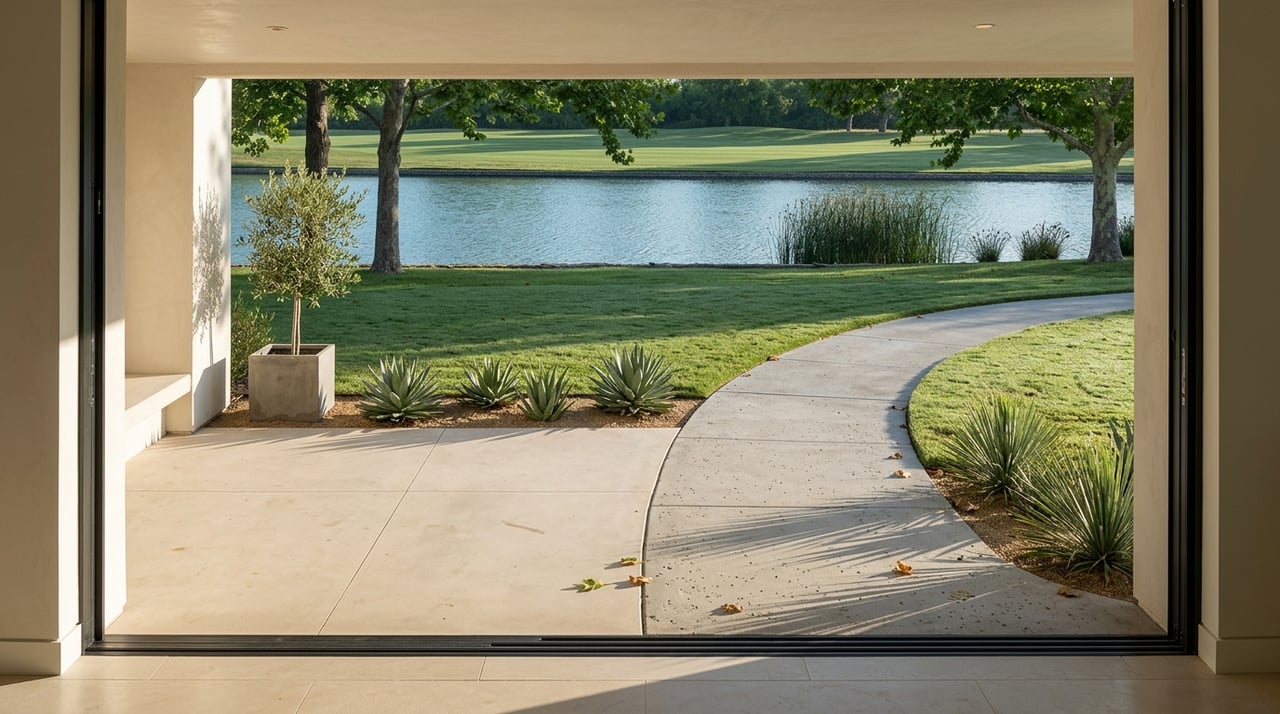
One of the biggest things people notice in Upper Arcadia is the landscape. Streets often feel leafier and more shaded than many other Phoenix neighborhoods, and that look is tied directly to the area’s irrigation history.
Arcadia’s early development was built around large five- to ten-acre lots designed to function like small citrus orchards. The Arcadia Water Company was formed in 1919, and by 1924 crews had laid fifteen miles of underground concrete pipe to move irrigation water through the neighborhood.
That system still matters today. SRP manages an extensive water delivery network, and residential subdivision irrigation is typically scheduled about every 14 days in summer and every 28 days in winter, except during annual canal maintenance.
During flood irrigation, yards are typically filled with 2 to 3 inches of water. That can sound unusual if you have never lived on an irrigated lot before, but it is part of what supports strong, deep-rooted trees and mature landscaping.
What Life on an Irrigated Lot Feels Like
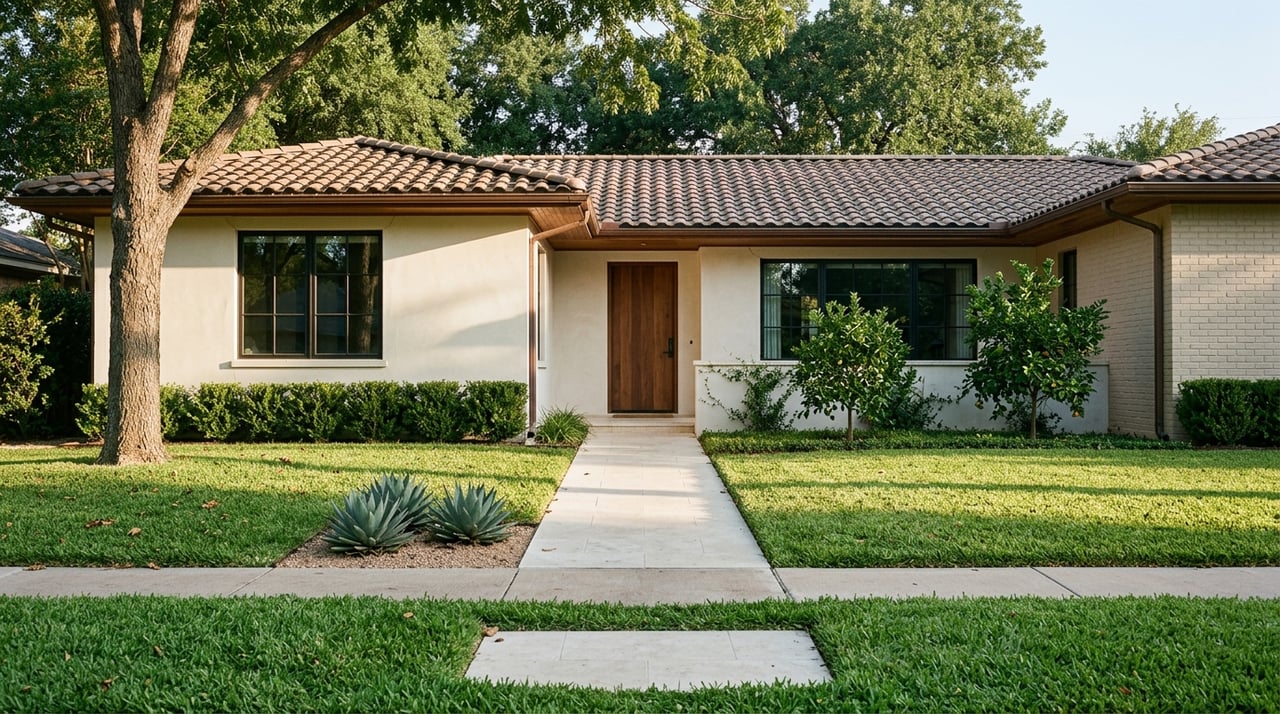
For many buyers, the upside is easy to see. Irrigated lots often support larger trees, more shade, and a noticeably greener streetscape. In a desert metro, that can make a real difference in how a neighborhood looks and feels.
There is also a practical side to it. SRP notes that neighbors work together to build and maintain private irrigation systems, so ownership in an irrigated area may come with more coordination and upkeep than a standard non-irrigated property.
If you love the visual appeal of mature landscaping, Upper Arcadia offers a version of Phoenix that feels older, more rooted, and less cookie-cutter. That landscape story is a big part of the neighborhood identity.
Housing Character in Upper Arcadia
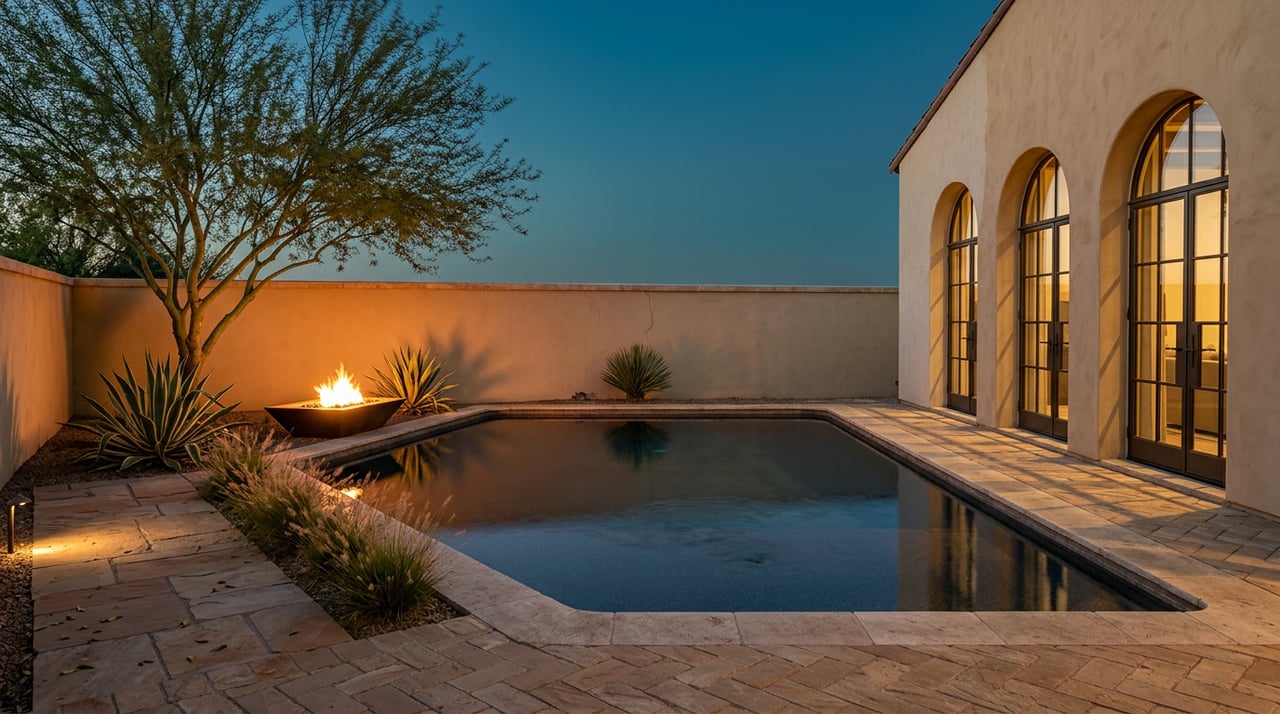
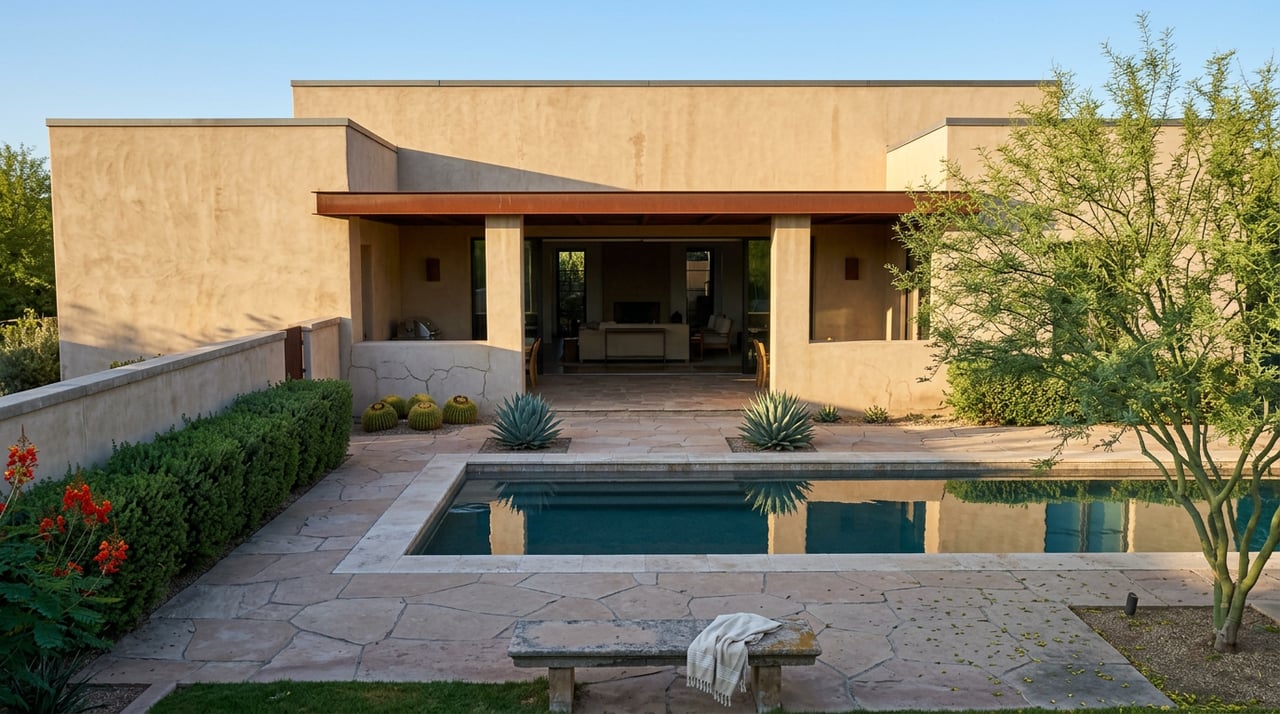
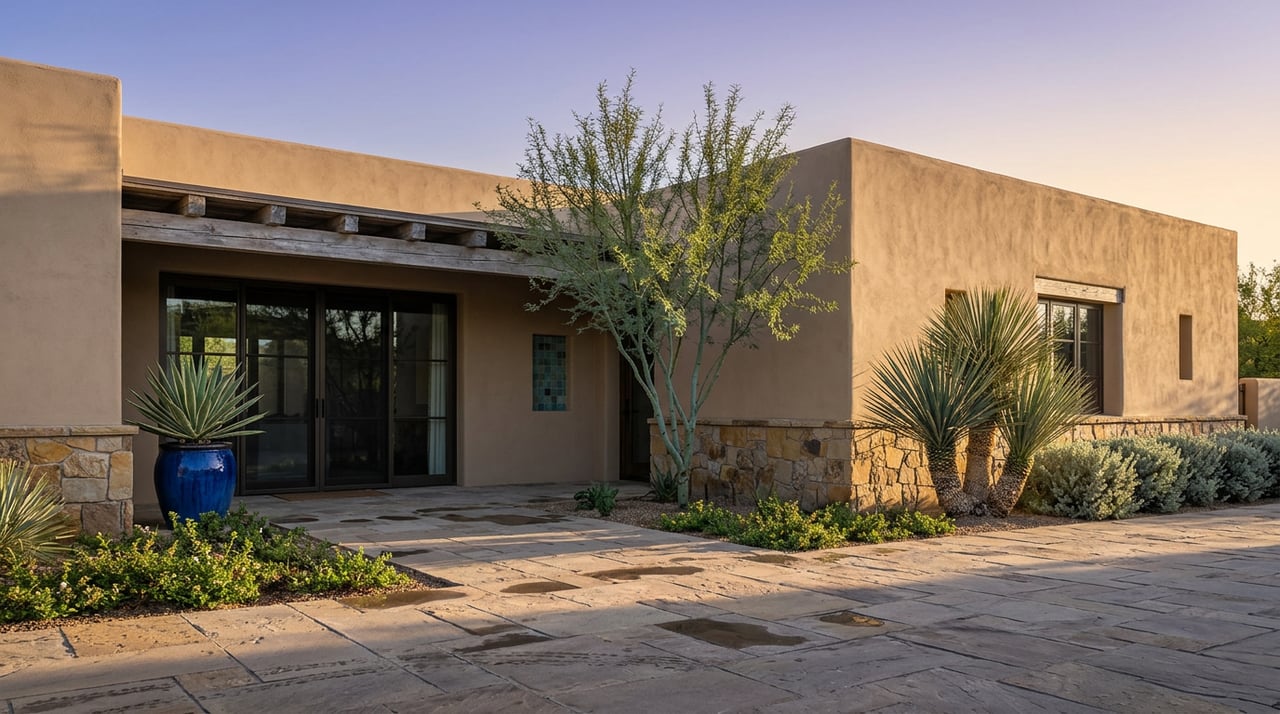
Upper Arcadia does not read like a uniform subdivision, and that is part of the appeal. The area grew from an estate-era development pattern rather than a single tract-home plan, so the streetscape tends to feel varied.
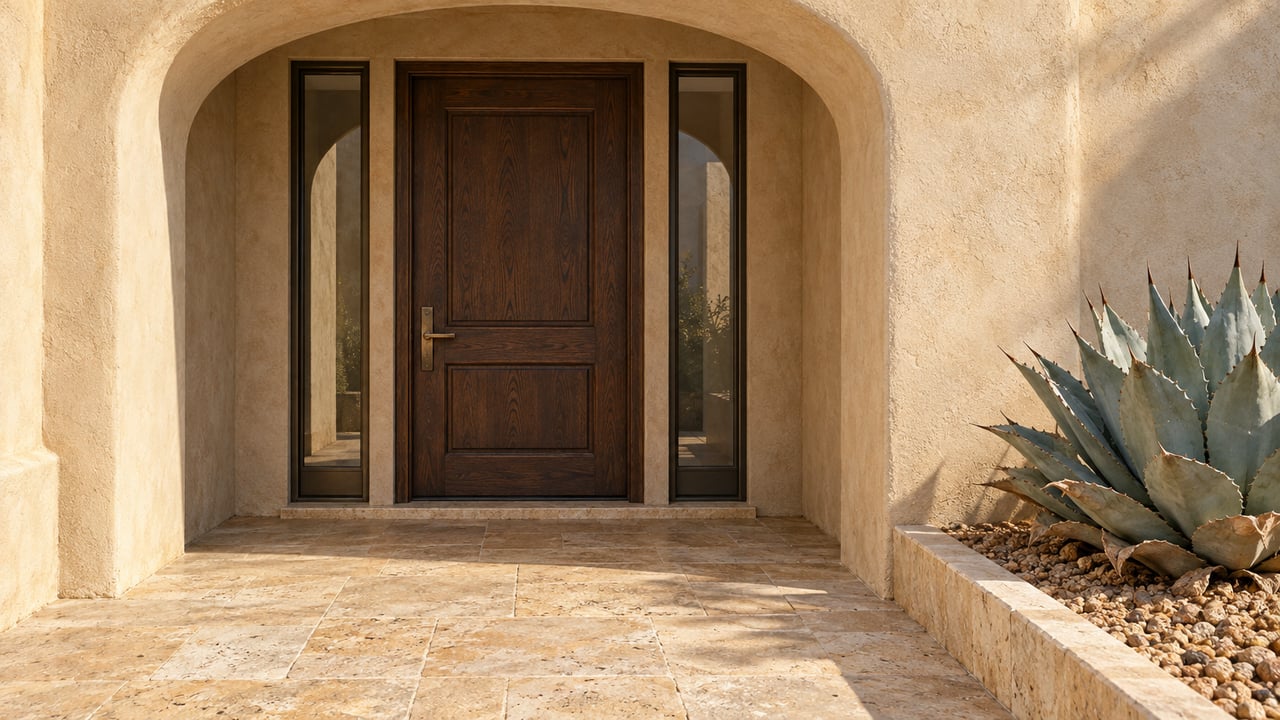
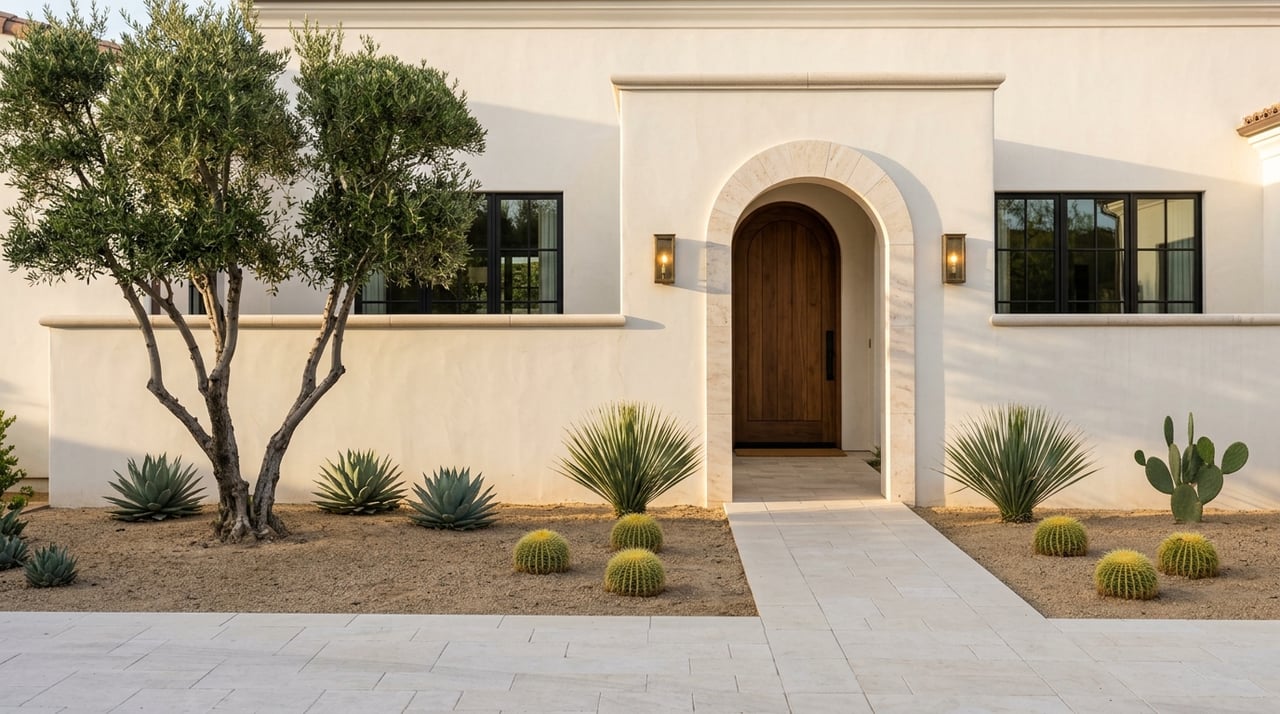
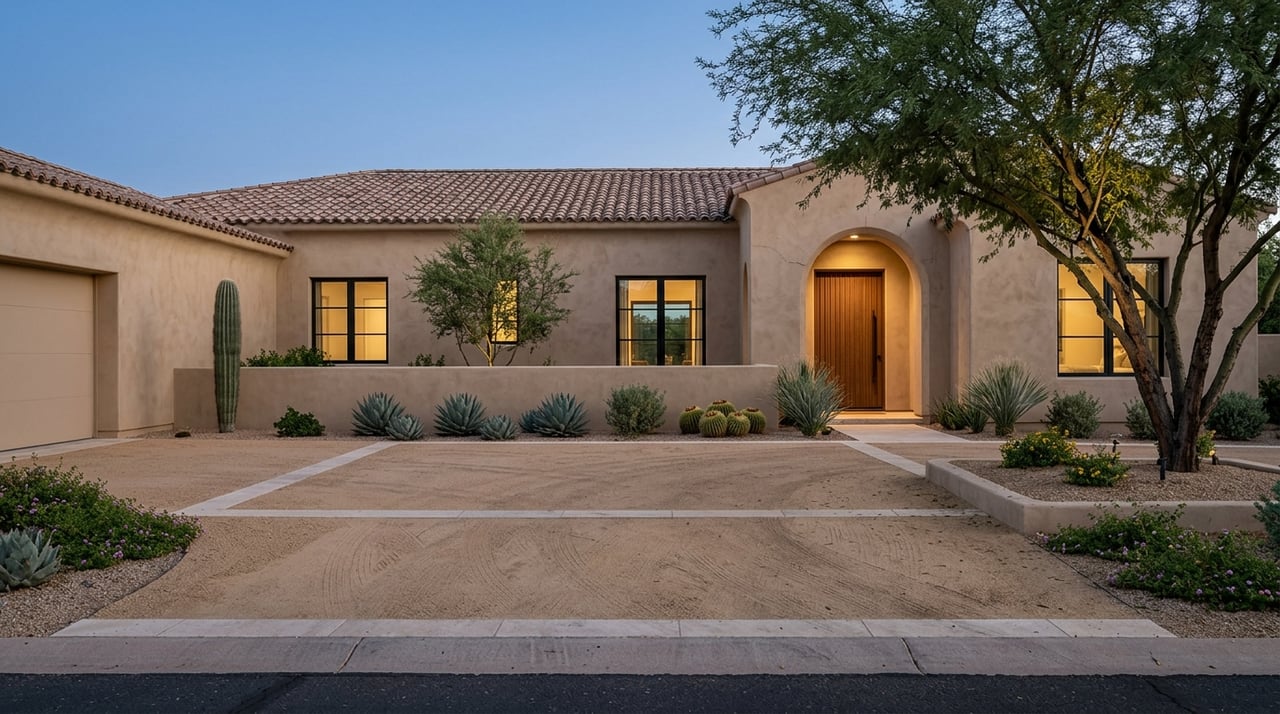
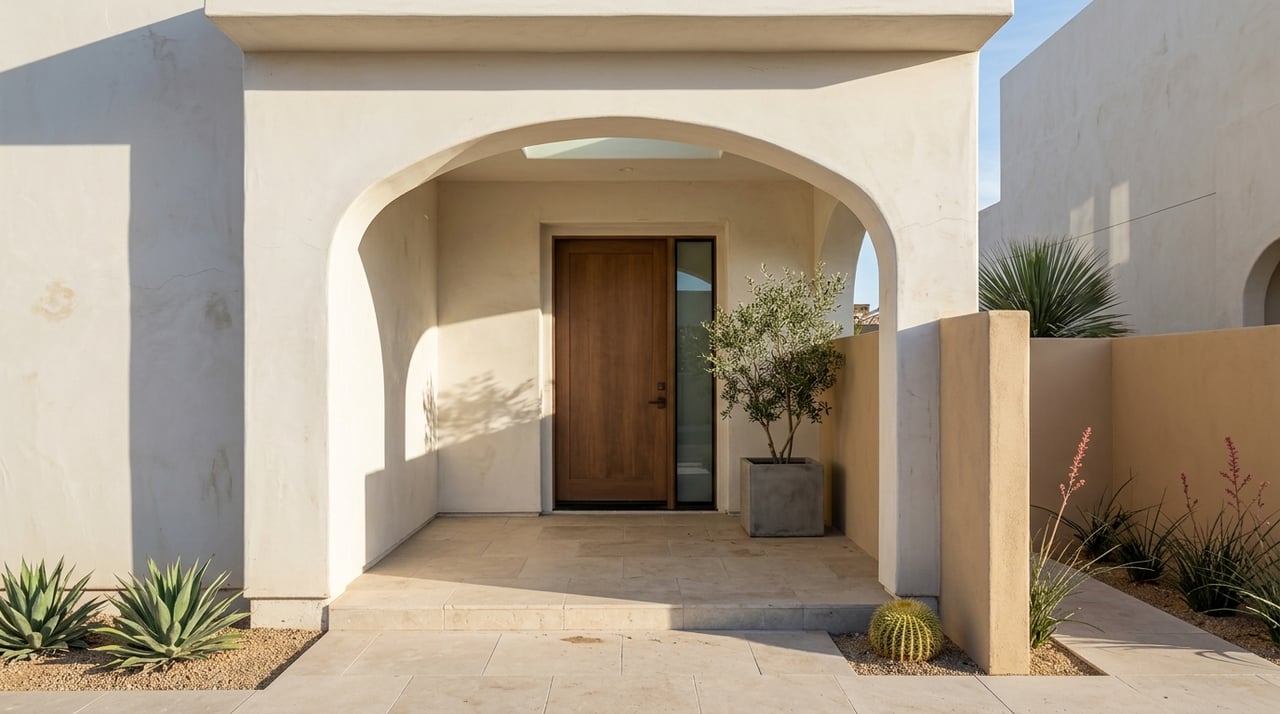
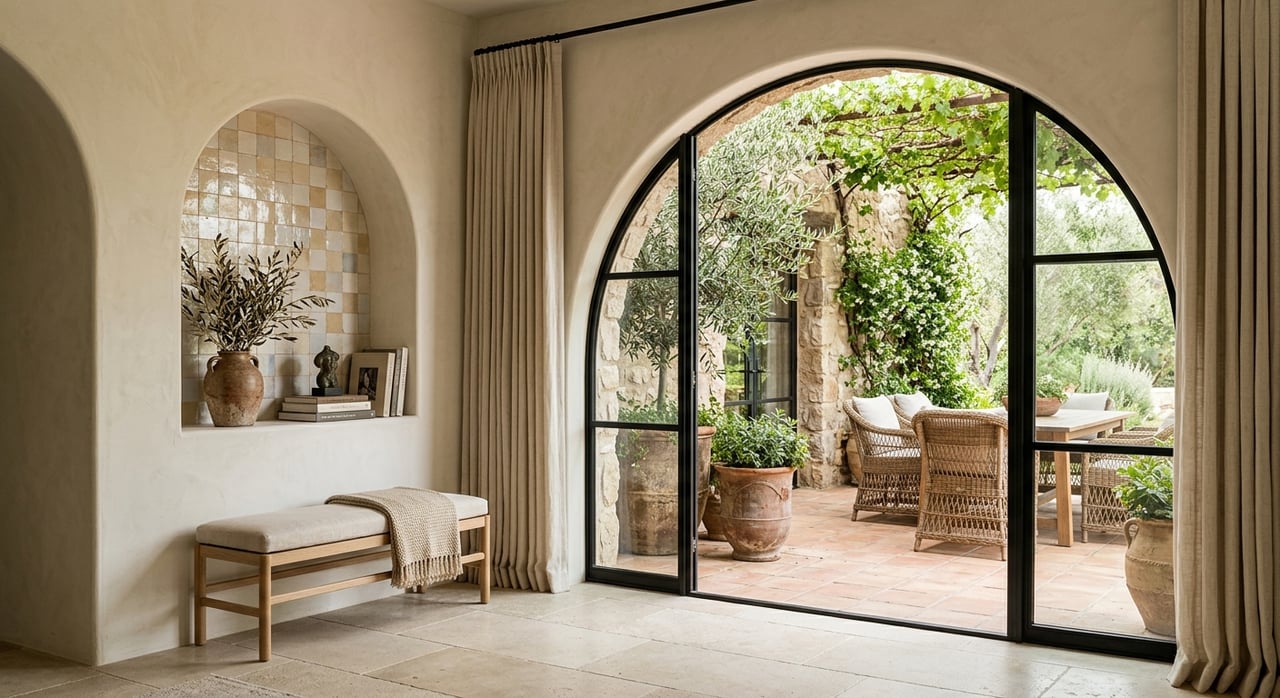
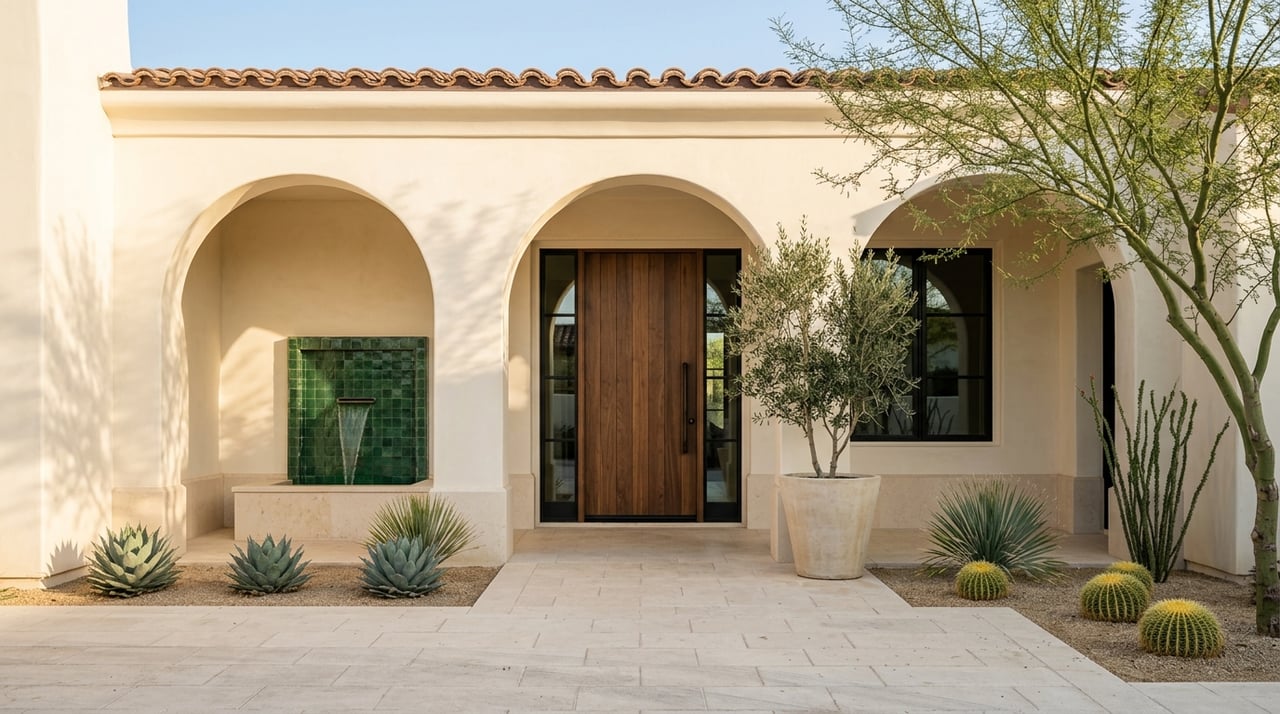
The City of Phoenix historic survey documents homes in Pueblo Revival, Spanish Colonial Revival, and Monterey Revival styles within Arcadia’s historic development story. It also describes the district as a rural-estate community shaped through replats in the late 1920s and early 1930s.
Over time, that original foundation evolved. By the late 1950s and early 1960s, the neighborhood association notes that the quality of construction encouraged many owners to renovate rather than move away.
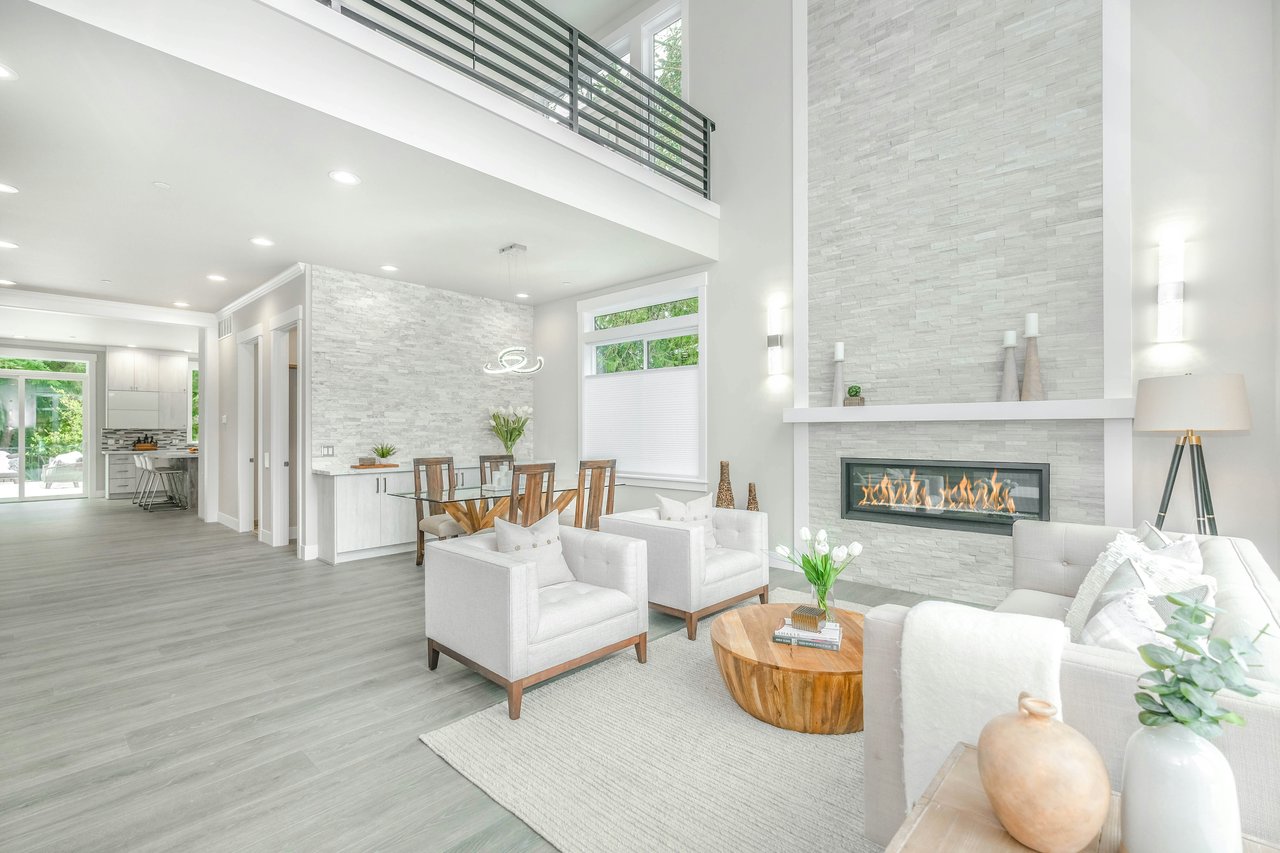
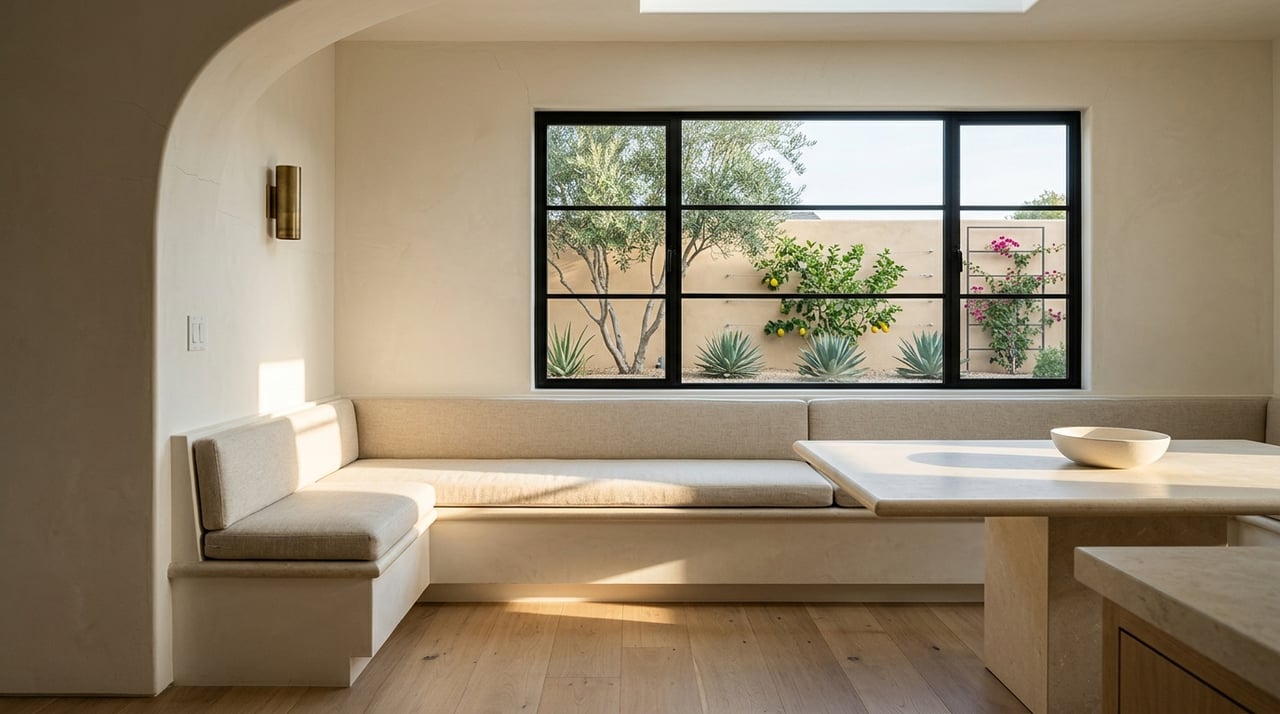
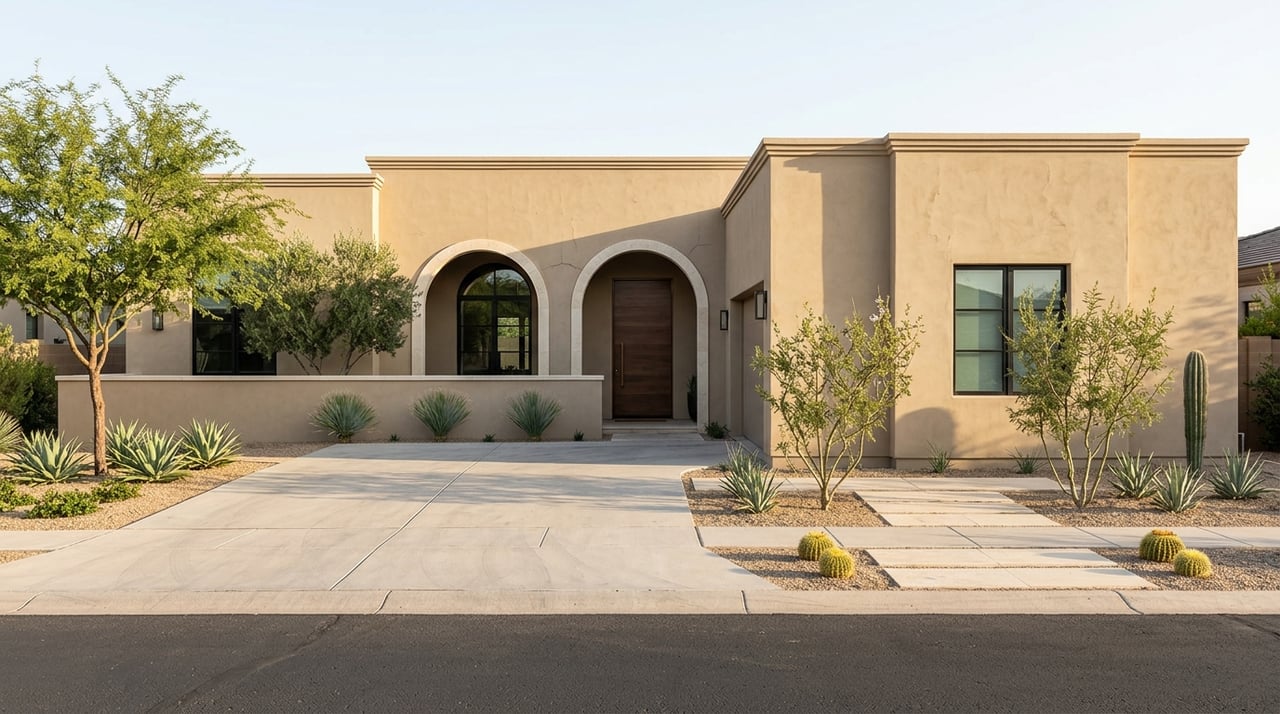
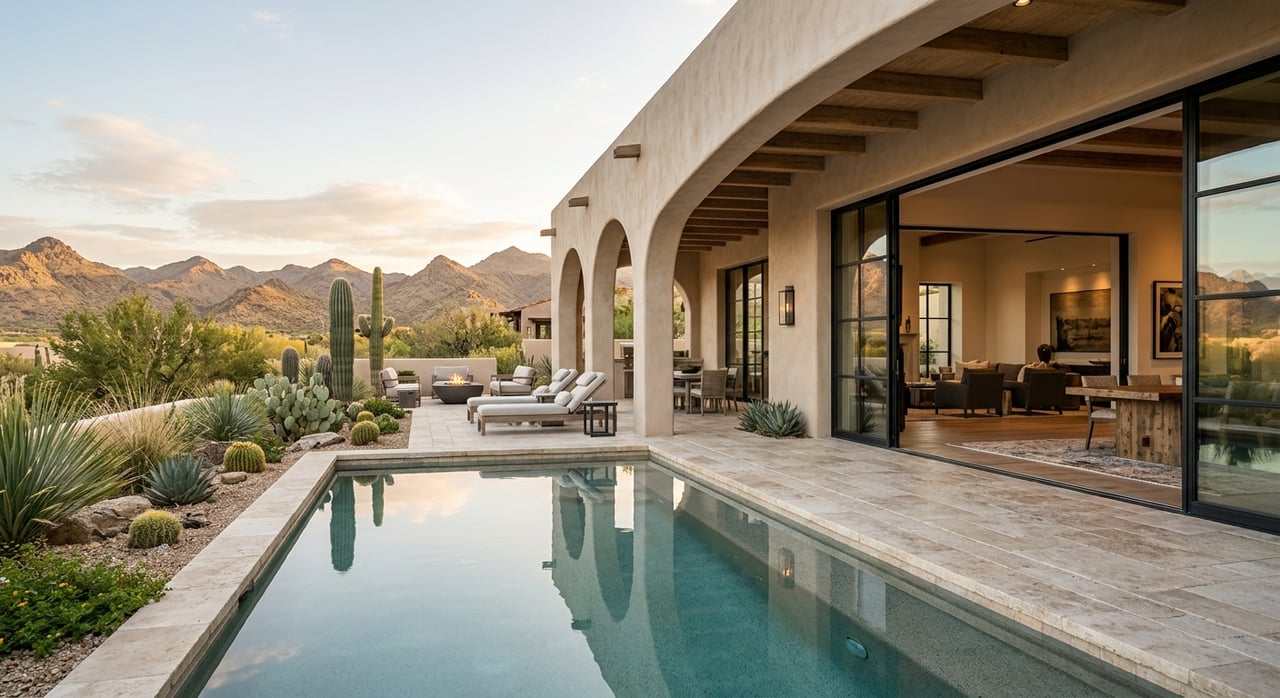
For you as a buyer, that usually means a mix of older estate homes, updated residences, and later-era properties rather than one repeated look. If you want architectural variety and a neighborhood that feels established, this is one of the reasons Upper Arcadia often stays on the shortlist.
Preserved Residential Character
Upper Arcadia’s established feel is not accidental. The Arcadia Camelback Special Planning District describes the area as a mature neighborhood with a distinctive landscape character, and its policy direction is focused on preserving residential character and current zoning.
The same planning framework notes that the district is predominantly 0 to 2 dwelling units per acre. In plain terms, that supports the low-density, residential feel many buyers are looking for when they focus on this part of Phoenix.
That planning layer helps explain why the area feels different from denser parts of the city. You are not just buying a house here. You are buying into a neighborhood pattern shaped by larger lots, mature landscaping, and long-term residential stability.
City Access Without a Fully Urban Feel
Upper Arcadia’s location is one of its strongest advantages. The area is associated with natural edges like Camelback Mountain to the north and the Arizona Canal to the south, which help it feel quieter and somewhat insulated from through traffic while still offering convenient access to downtown Phoenix.
That balance is a big reason people target this pocket. You can enjoy a more established residential setting without feeling cut off from the rest of the city.
The broader Camelback East Village also connects you to major activity areas. The City of Phoenix identifies primary village cores at 24th Street and Camelback Road and at 44th Street and Van Buren, reinforcing that this is a central location with multiple access points around the metro.
Outdoor Access and Nearby Amenities
Upper Arcadia also works well for buyers who want everyday access to outdoor spaces and local destinations. The Grand Canalscape provides a 12-mile off-street trail with lighting, seating, and multiple crossings, making it a useful feature for walks, runs, and bike rides.
Camelback Mountain is also nearby, giving residents access to one of Phoenix’s best-known hiking areas. If you want a neighborhood where outdoor recreation is part of daily life, that proximity matters.
Closer to home, Arcadia Park at 56th Street offers a city park option, and the Shemer Art Center on Camelback Road adds another local destination in a historic 1919 home. These are the kinds of nearby features that reinforce the area’s mix of convenience and character.
Who Upper Arcadia Often Appeals To
Upper Arcadia tends to appeal to buyers who want more than just a house. Many are looking for a neighborhood with visual character, mature landscaping, and a setting that feels established rather than newly built.
It can be especially attractive if you want central access to both Phoenix and Scottsdale corridors. That crossover location gives you flexibility in how you move through the Valley while still coming home to a quieter residential pocket.
For move-up buyers, relocation buyers, and anyone prioritizing lot character, this area often stands out because the appeal is layered. It is not one feature. It is the combination of irrigated lots, architectural variety, preserved residential feel, and city access.
What to Keep in Mind as You Search
If you are considering Upper Arcadia, it helps to look beyond square footage and finishes. In this area, lot quality, irrigation setup, landscaping maturity, and street feel can all shape long-term value and daily enjoyment.
You will also want to compare where a property sits within the broader Arcadia and Arcadia-Camelback Mountain area. Because Upper Arcadia is more of a market label than a formal city designation, location details matter.
A smart search here usually means paying attention to both the home and the block. In a neighborhood defined by character, the immediate surroundings are part of the value story.
If you are weighing Upper Arcadia against other close-in Phoenix and Scottsdale neighborhoods, a clear, property-by-property strategy matters. Laura Lee Cahal brings long Valley experience, direct guidance, and a practical eye for neighborhood fit to help you narrow the options and move with confidence.
FAQs
Is Upper Arcadia a formal Phoenix neighborhood?
- No. Upper Arcadia is better understood as a local real estate label within the broader Arcadia and Arcadia-Camelback Mountain area, not a separate City of Phoenix designation.
Why are Upper Arcadia lots often greener?
- Arcadia was historically built around flood irrigation, and scheduled residential irrigation service still supports mature trees, deeper roots, and a greener streetscape in older parts of the area.
What kinds of homes are common in Upper Arcadia?
- You will generally see a mix tied to estate-era development, including Pueblo Revival, Spanish Colonial Revival, and Monterey Revival influences, along with renovated homes and later-era properties.
What does flood irrigation in Upper Arcadia involve?
- SRP notes that residential deliveries are typically scheduled every 14 days in summer and every 28 days in winter, and yards are usually filled with 2 to 3 inches of water during irrigation.
Why do buyers choose Upper Arcadia in Phoenix?
- Buyers are often drawn to the combination of mature landscaping, preserved residential character, trail and park access, and convenient access to both Phoenix and Scottsdale corridors.