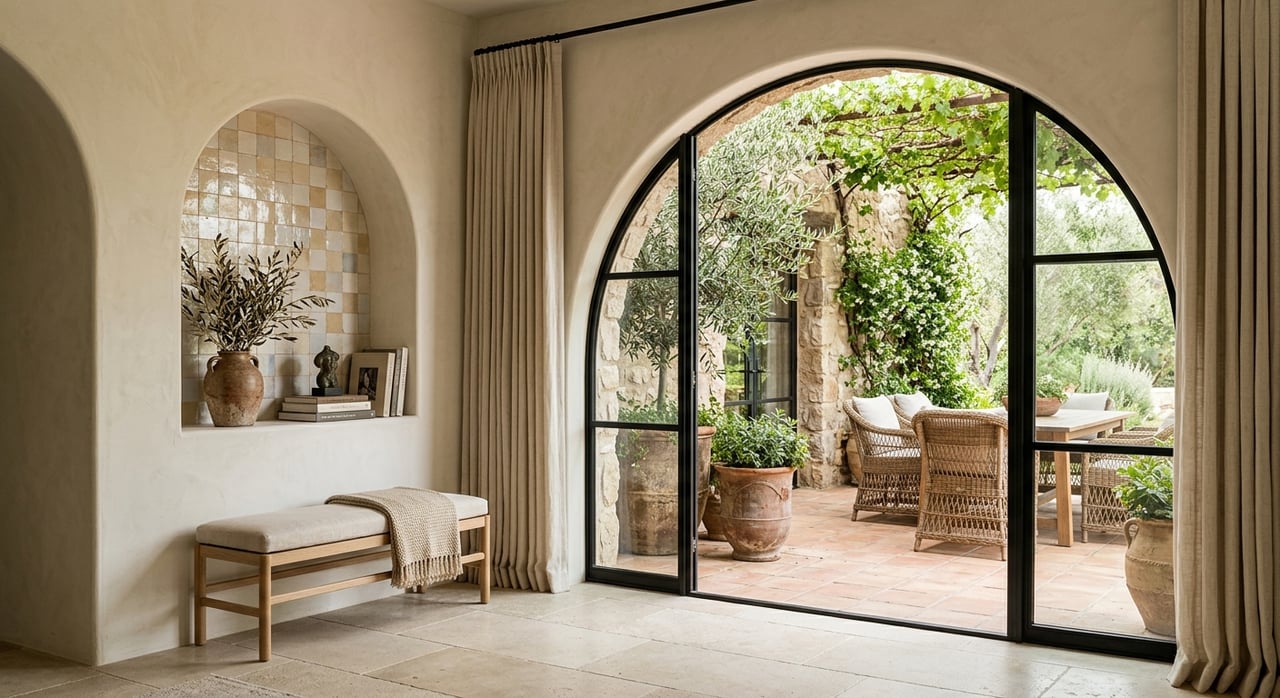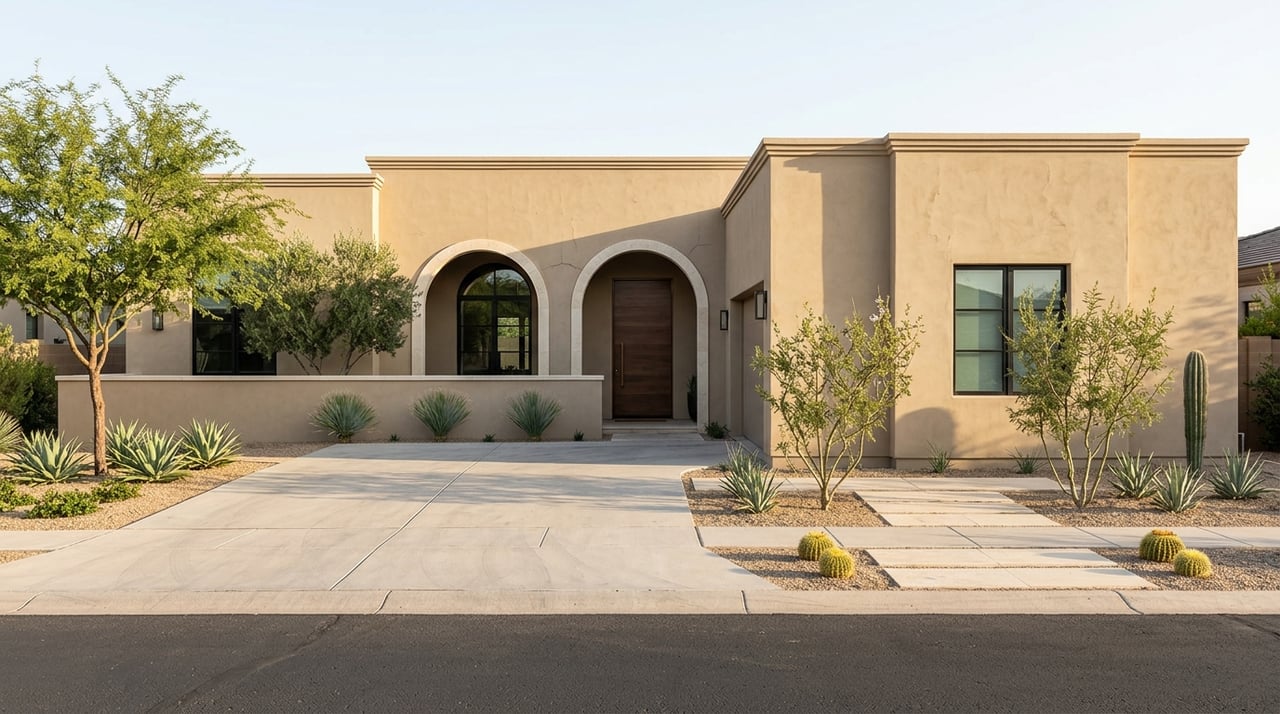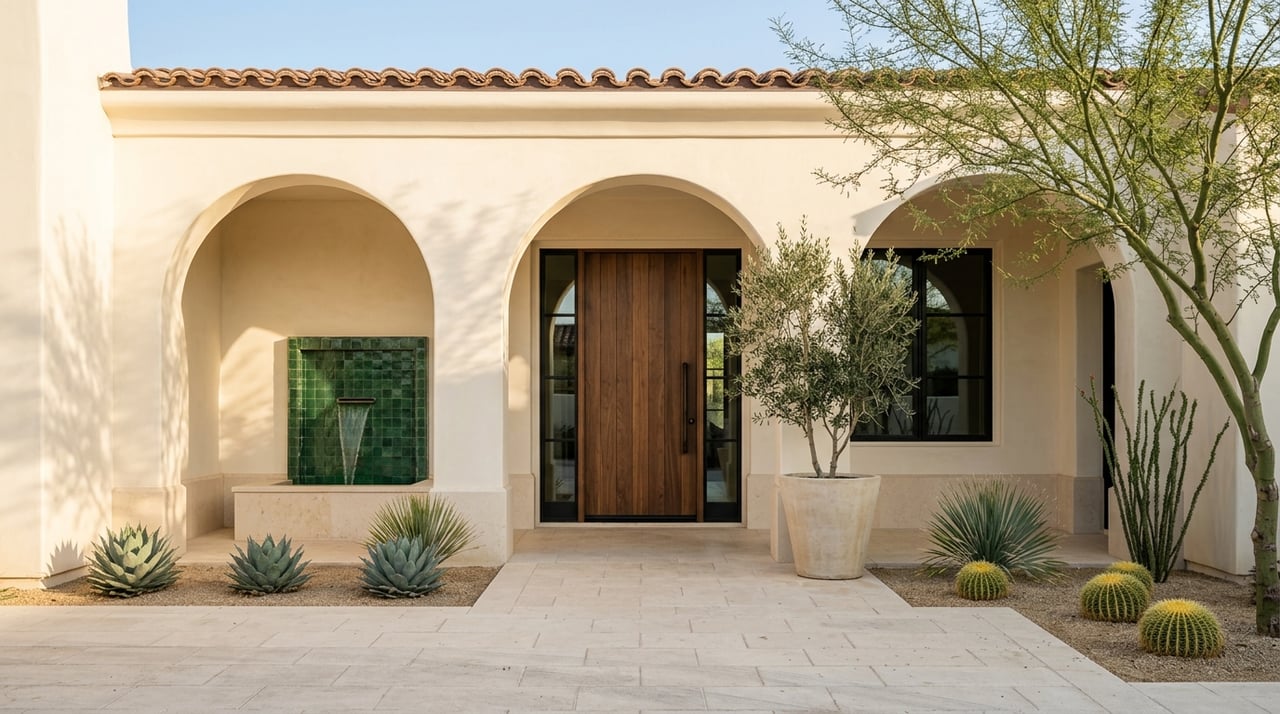
If you are wondering whether Paradise Valley feels lively, quiet, polished, or private, the short answer is this: it feels intentionally calm. This is not a place built around busy retail corridors or dense development. It is a low-density residential town shaped by open space, mountain views, privacy, and a slower day-to-day rhythm. If you are trying to picture what living here actually feels like, this guide will help you understand the pace, setting, and routines that define daily life in Paradise Valley. Let’s dive in.
A quieter daily pace
Paradise Valley is designed to feel different from more built-up parts of the Valley. According to the town’s 2022 General Plan, it is a premier low-density residential community with a primarily one-acre residential pattern, limited commercial development, and a strong focus on preserving privacy, quiet, dark skies, and open space.
In practical terms, that means your day is less likely to revolve around heavy traffic, dense blocks, or constant activity right outside your door. The setting feels more residential and more spread out. You notice space between homes, broader views, and a calmer atmosphere from morning through evening.
The town also emphasizes protecting neighborhoods from noise, excess light, and traffic impacts near homes. Its residential standards reinforce that quiet, low-key feel, especially after dark when the area settles in and the pace slows even more.
Desert scenery shapes daily life
One of the biggest things you feel in Paradise Valley is the landscape itself. The town sits among major natural landmarks, including Camelback Mountain, the Phoenix Mountain Preserve, and the McDowell Mountains. On the official visitor page, Paradise Valley is described as a quiet desert oasis in the heart of Scottsdale-Phoenix.
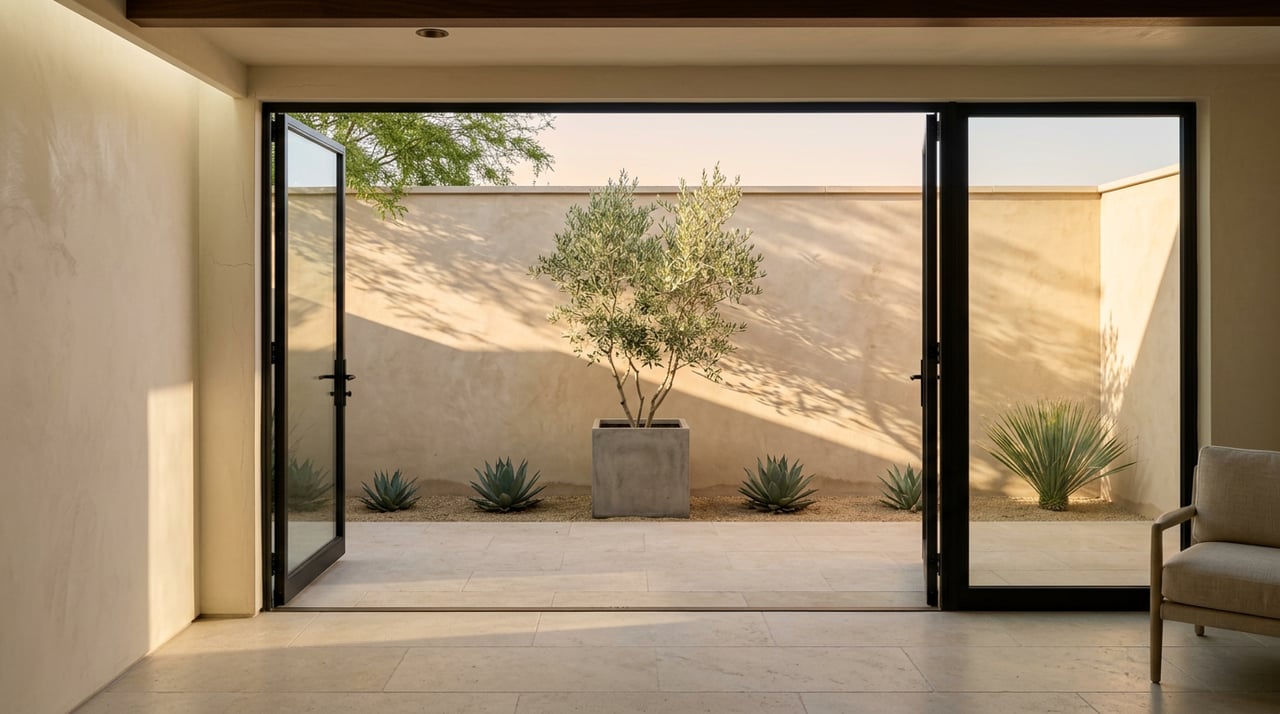
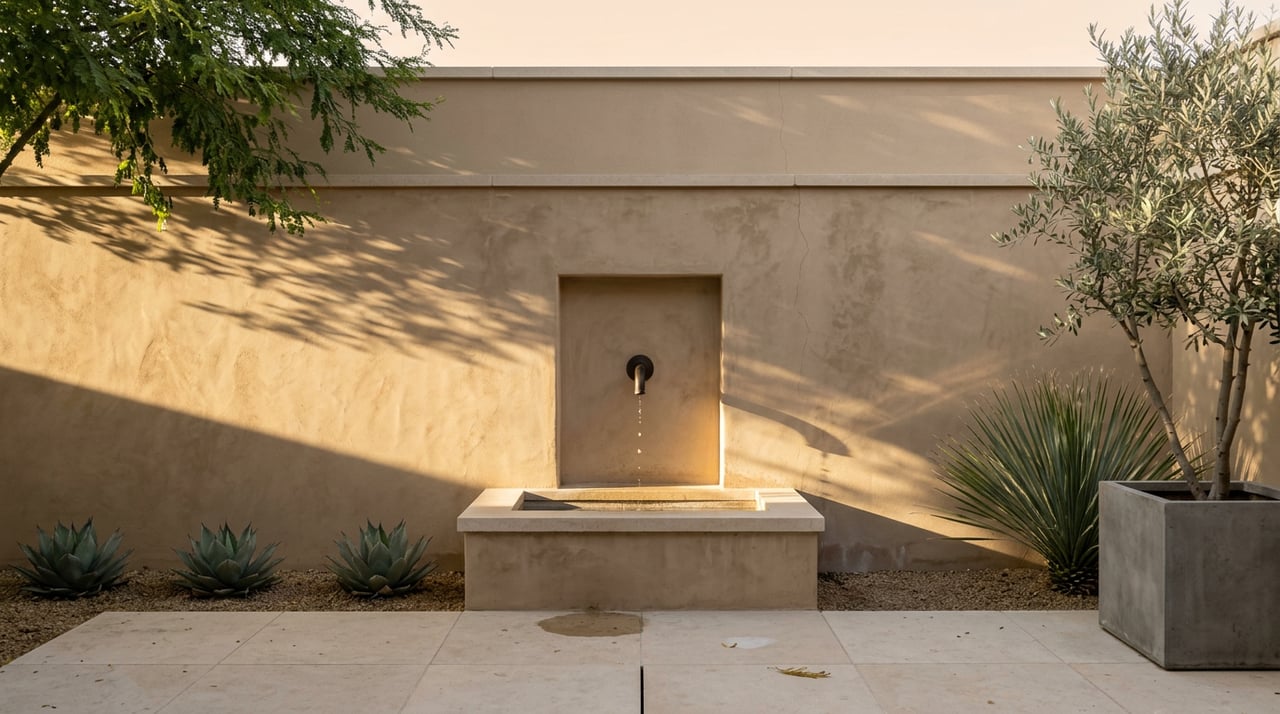
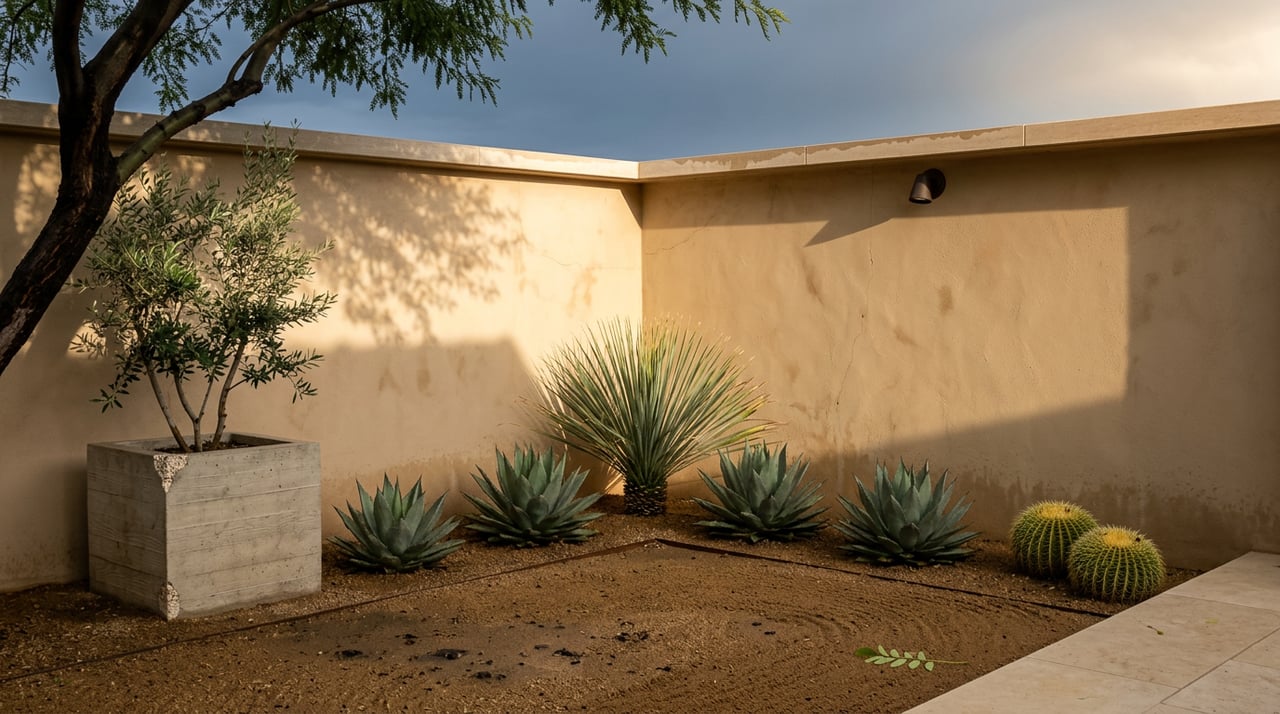
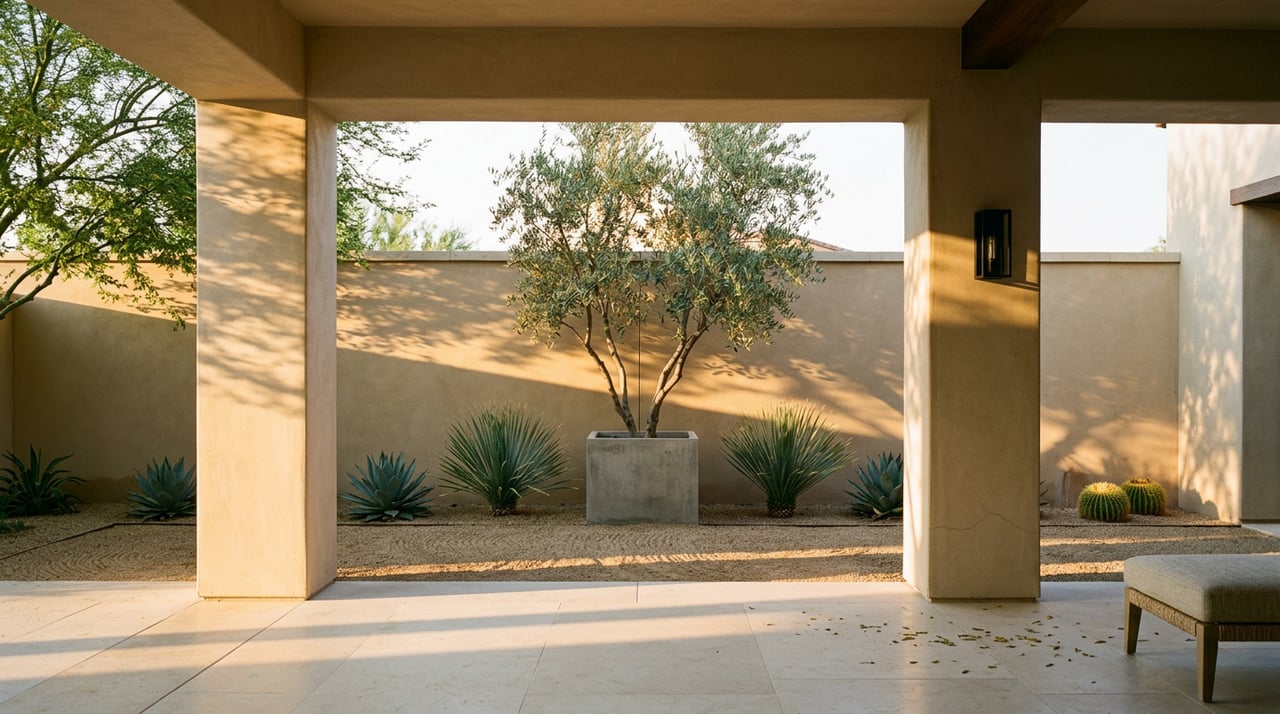
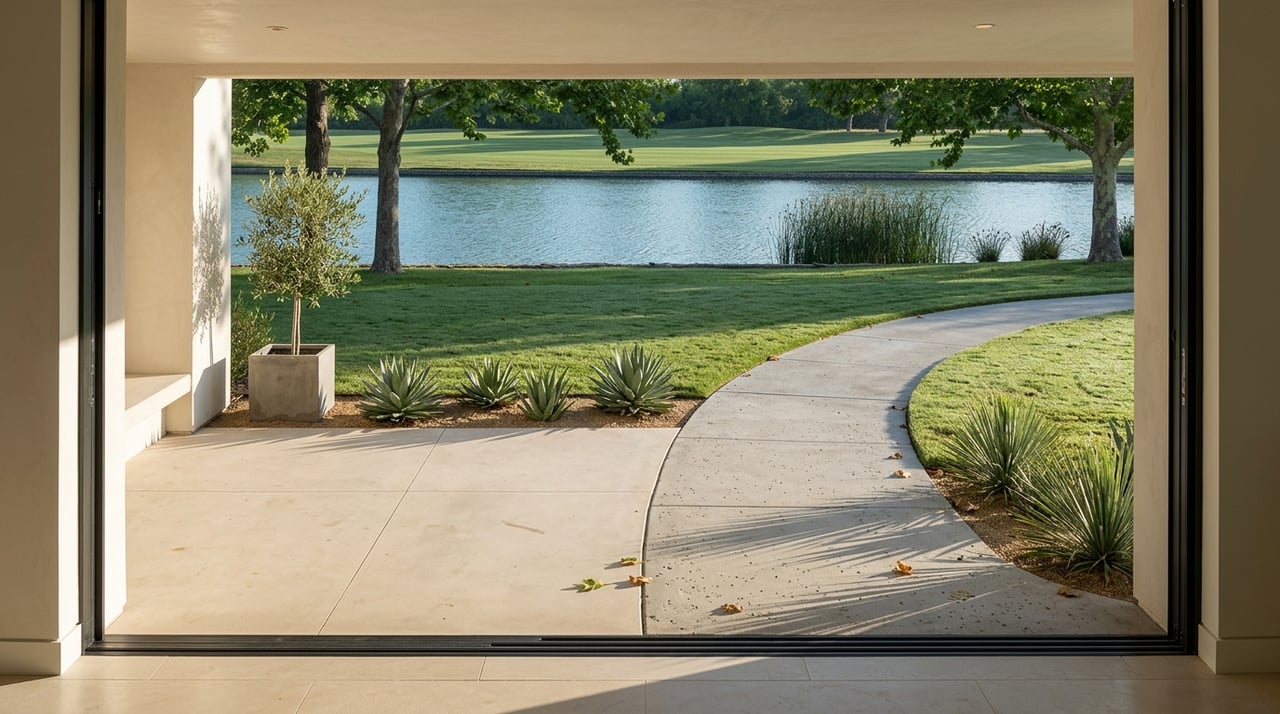
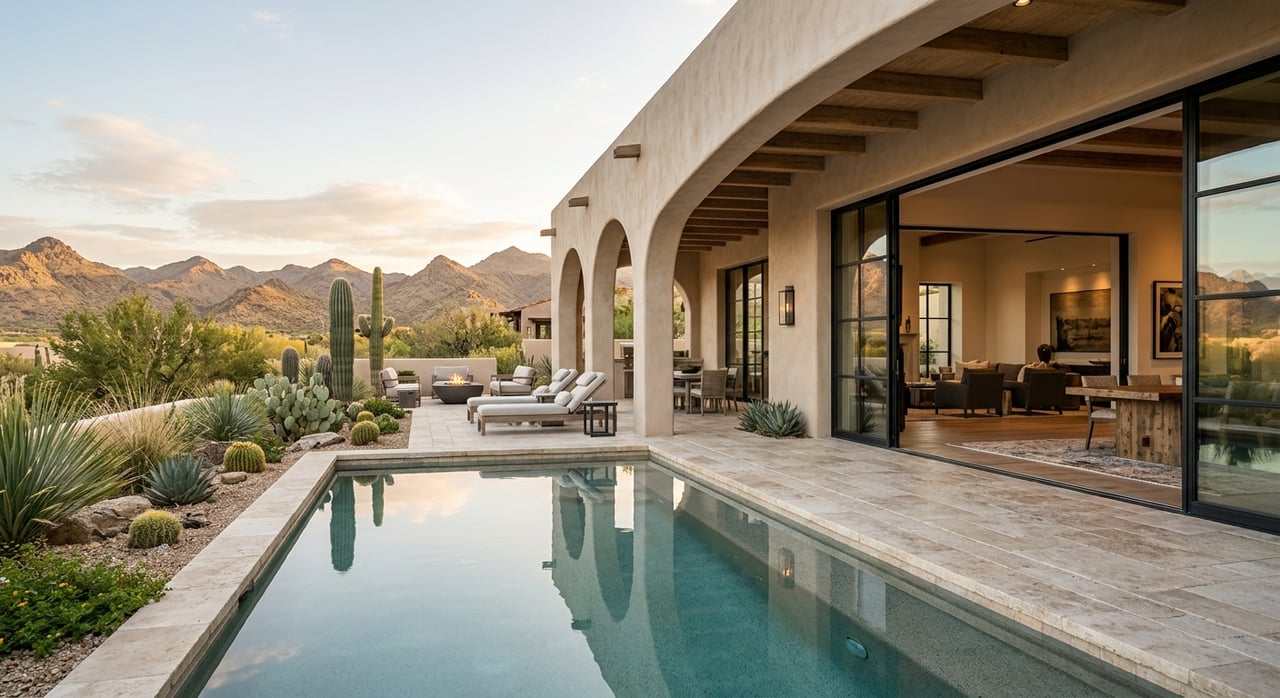
That description fits because the scenery is not just something you visit on weekends. It is part of everyday life. Mountain views, desert vegetation, and open sky tend to frame even ordinary routines like morning coffee, an evening drive, or dinner on a patio.
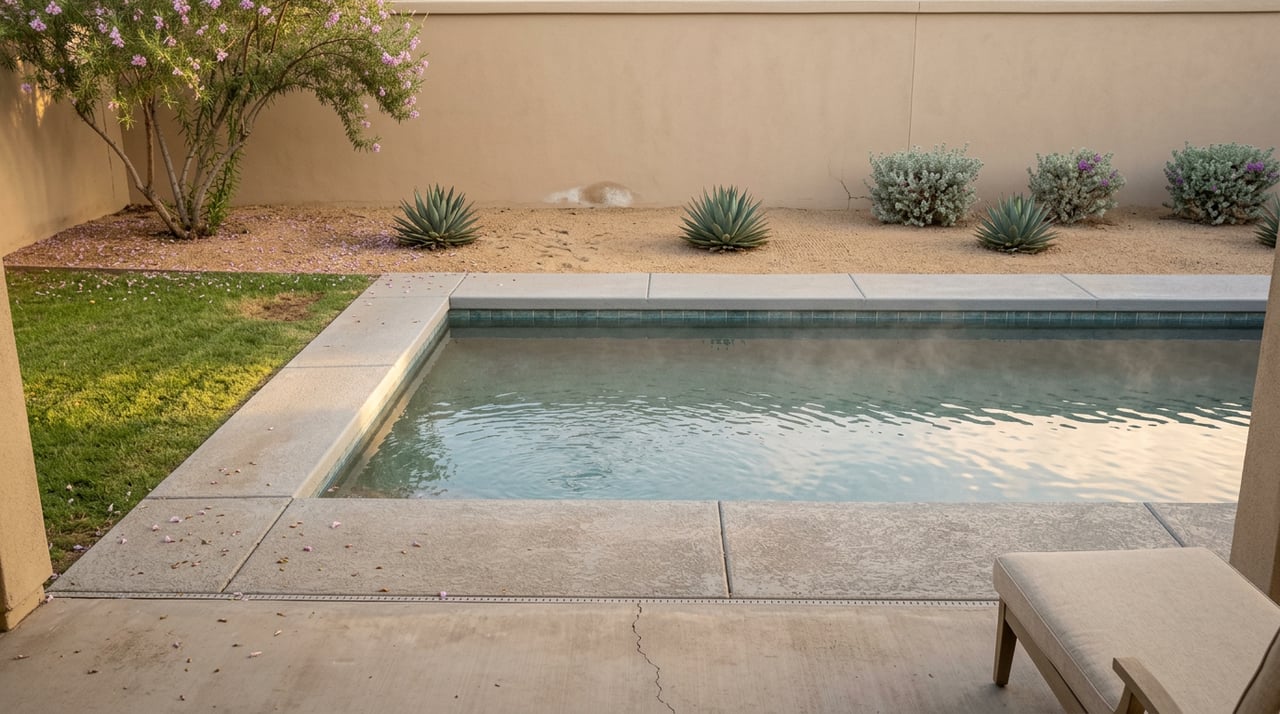
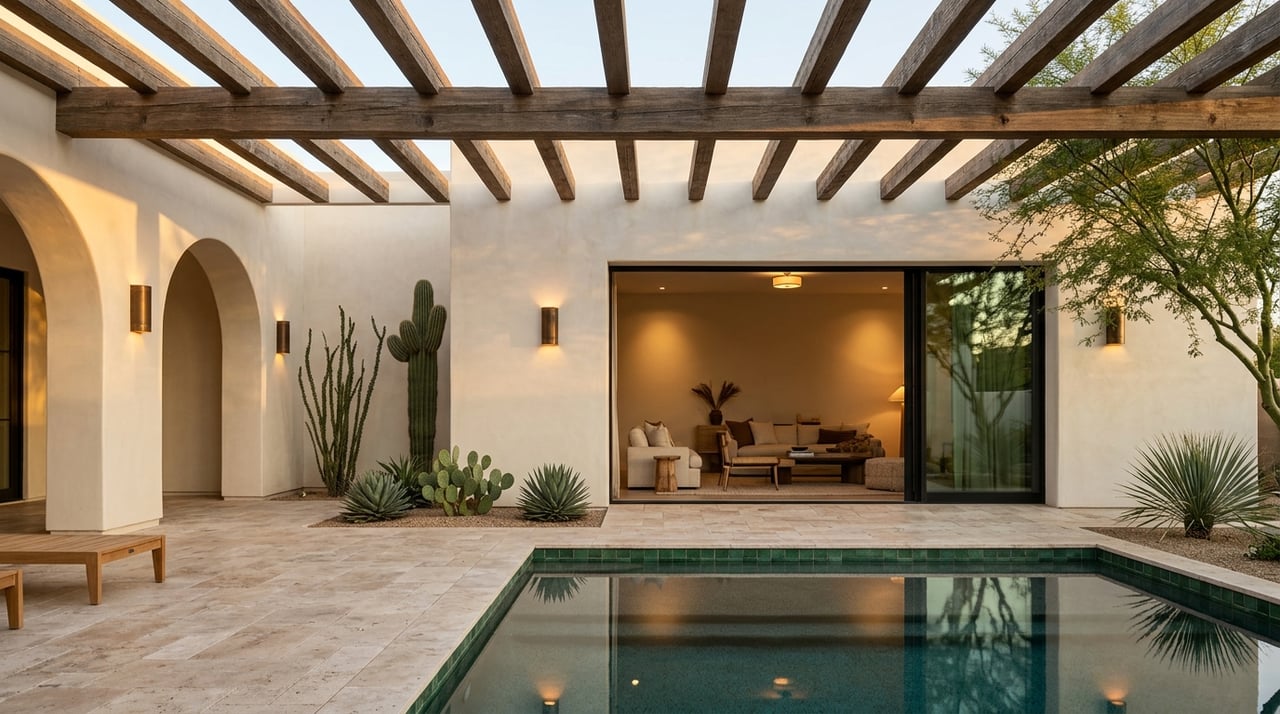
The same town page notes that Paradise Valley sees an average of 294 days of sunshine a year. That kind of weather naturally pushes life outdoors more often, whether that means time by the pool, walking outside early in the day, or choosing restaurants and gathering spaces with patios and views.
Open space feels intentional here
In some places, scenery is a bonus. In Paradise Valley, it is part of the town’s identity. The Paradise Valley Mountain Preserve Trust exists to protect mountain land around Mummy Mountain, Camelback Mountain, and the Phoenix Mountain Preserve, with the stated goal of preserving natural landscape, desert plants, wildlife, and scenic beauty.
That matters because it helps keep the visual character of Paradise Valley consistent over time. You are not just seeing leftover land between developments. You are seeing a community that has made preservation part of how it functions and how it feels.
The result is a setting that often reads as peaceful and protected rather than overbuilt. For many buyers, that is one of the main reasons Paradise Valley stands apart.
Home life feels private and residential
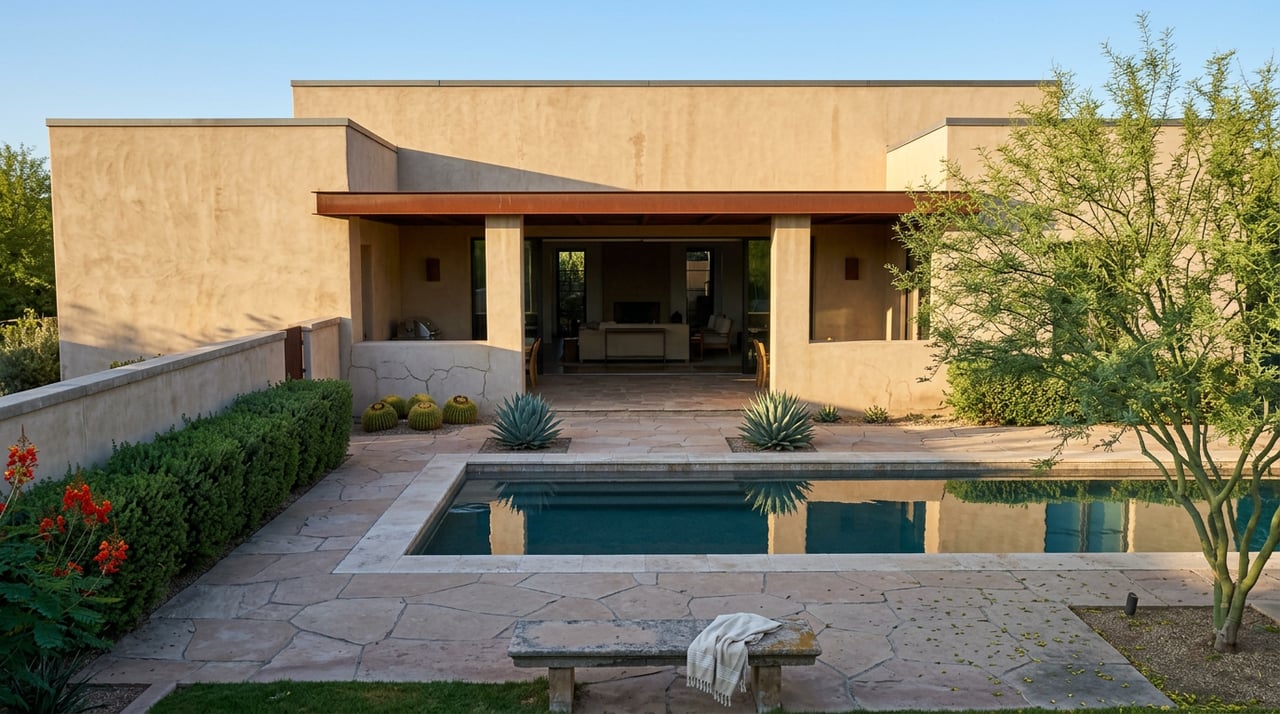
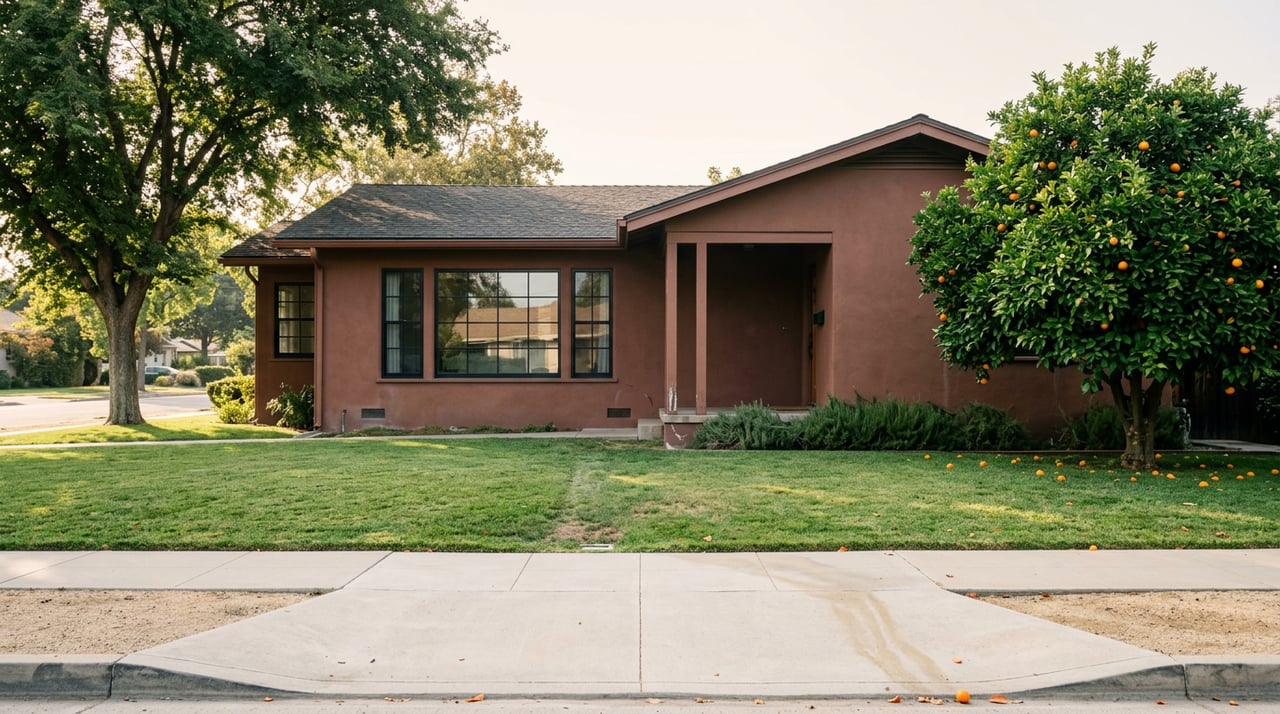
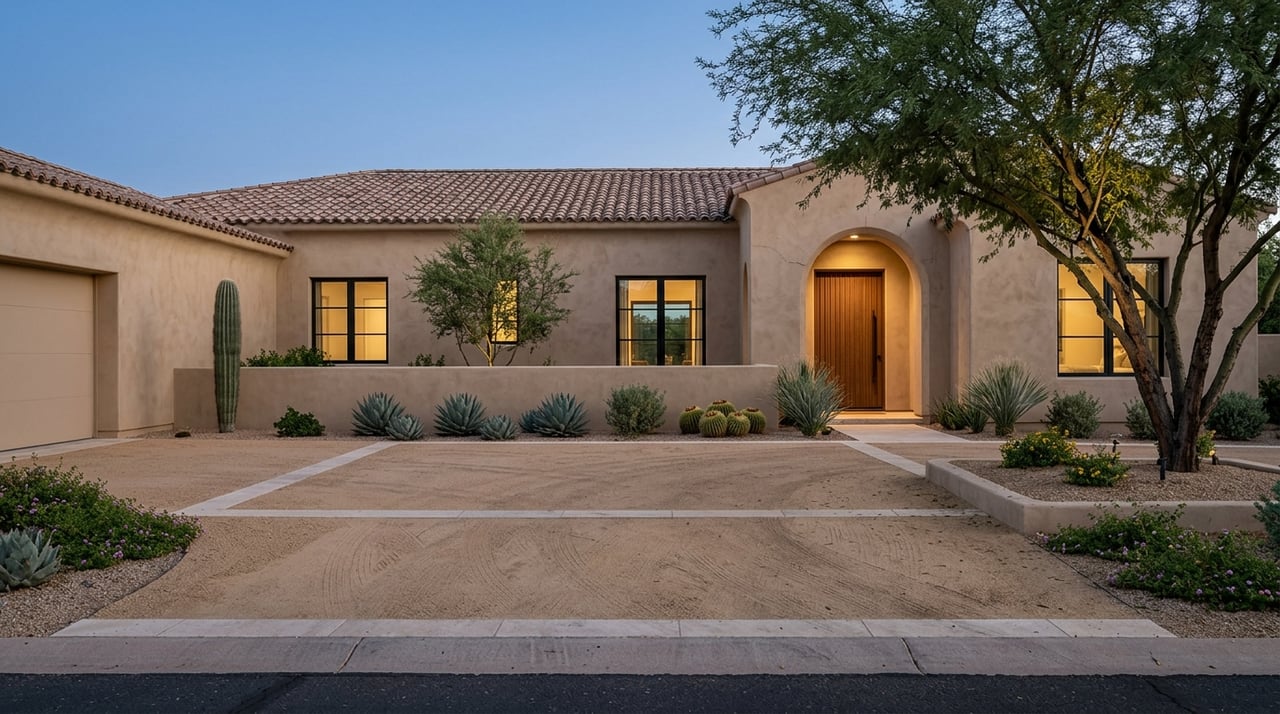
If you are comparing Paradise Valley to nearby areas, one of the clearest differences is how residential it feels. The town’s land-use pattern is dominated by low-density residential acreage, with smaller shares dedicated to resorts, country clubs, and open space, according to the General Plan.
That creates a very specific day-to-day experience. You are not living in the middle of a dense commercial district. Instead, you are in an environment where homes, lots, views, and setbacks play a bigger role in how the community looks and feels.
For buyers who value privacy, less visual clutter, and a more secluded residential atmosphere, that difference is easy to feel. It is one of the defining features of the town.
Architecture feels site-sensitive
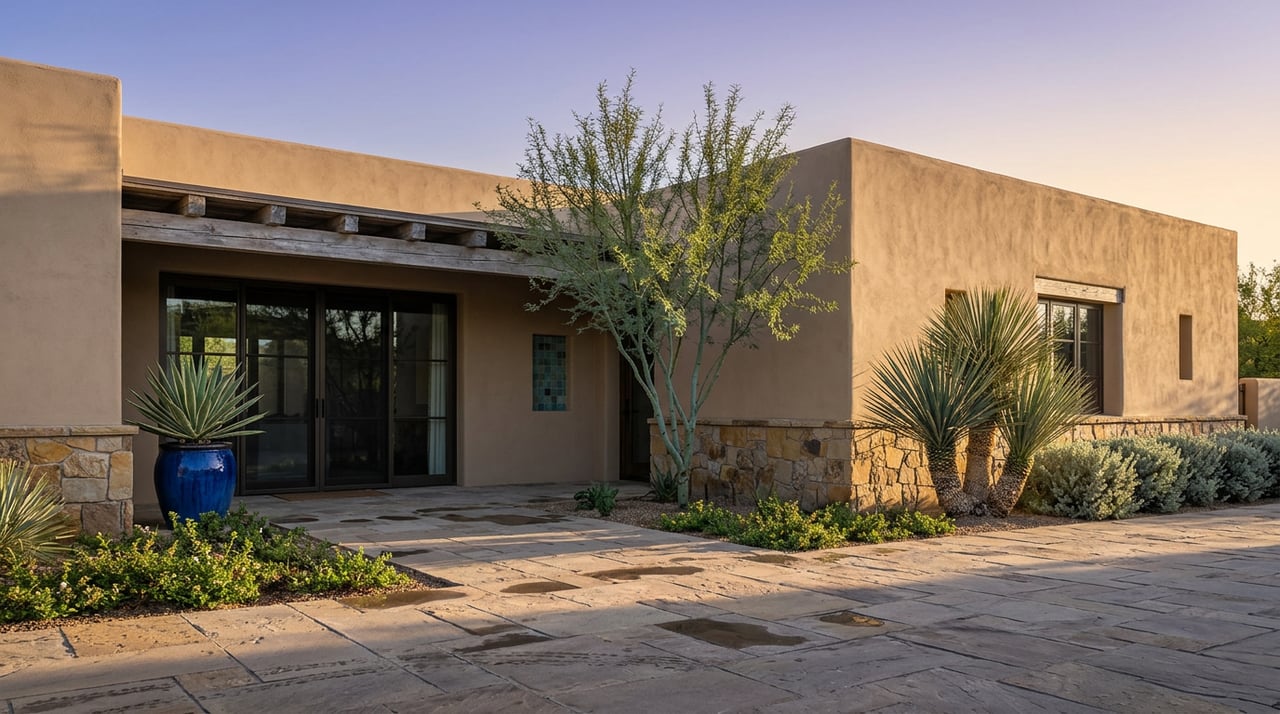
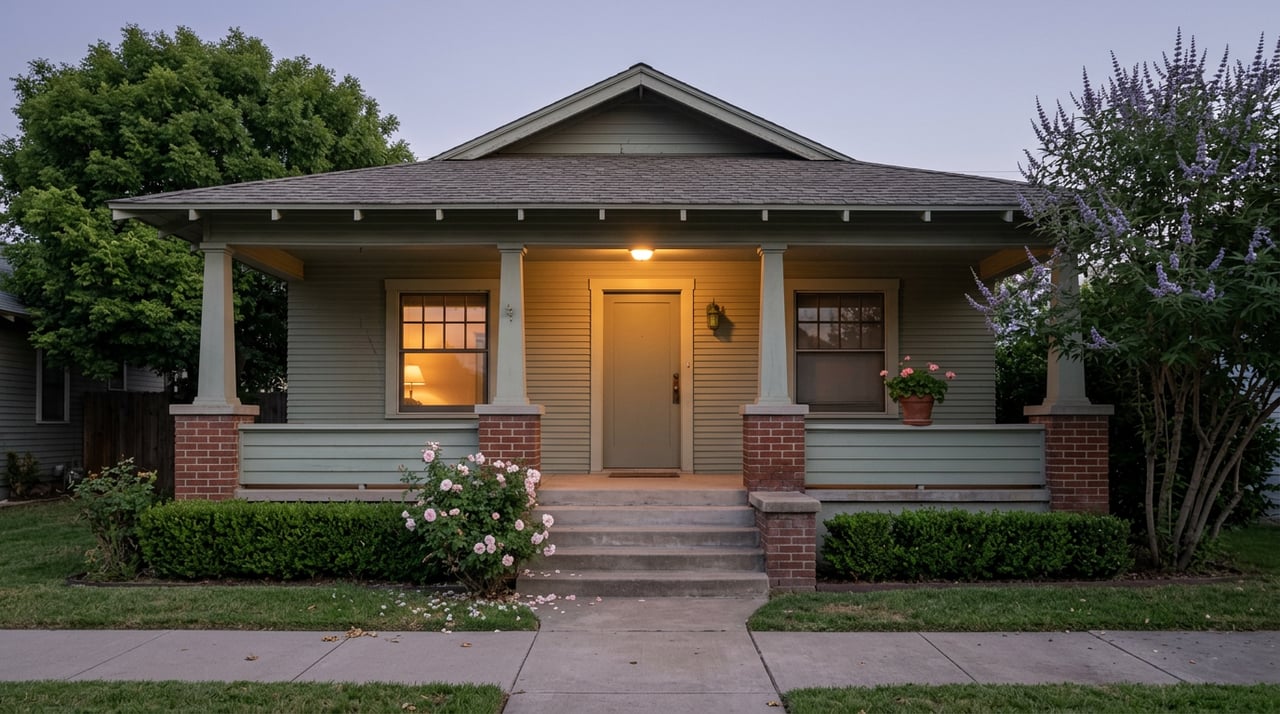
Paradise Valley does not have a single look. The town’s planning documents say it can embrace a multitude of architectural styles and encourage an eclectic mix that fits the environmental setting. The same General Plan also notes that redevelopment has often replaced older ranch-style homes with larger homes, while new construction is expected to fit established design traditions and historical character.
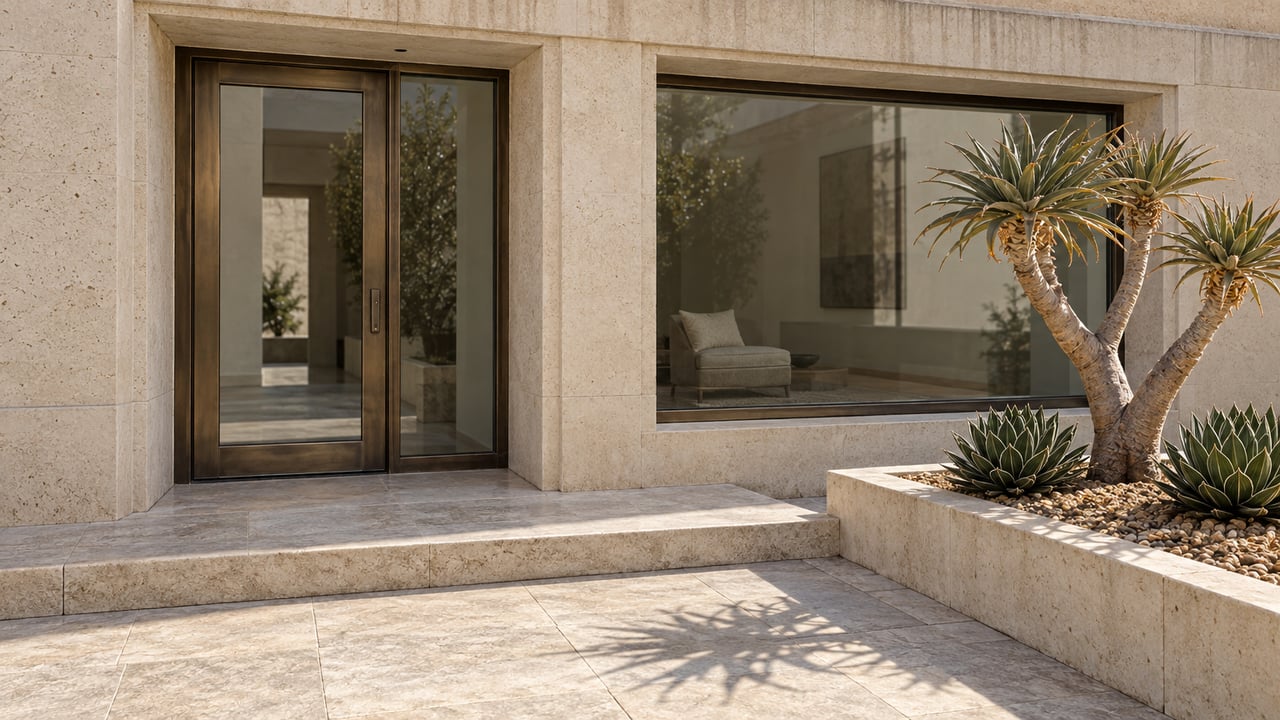
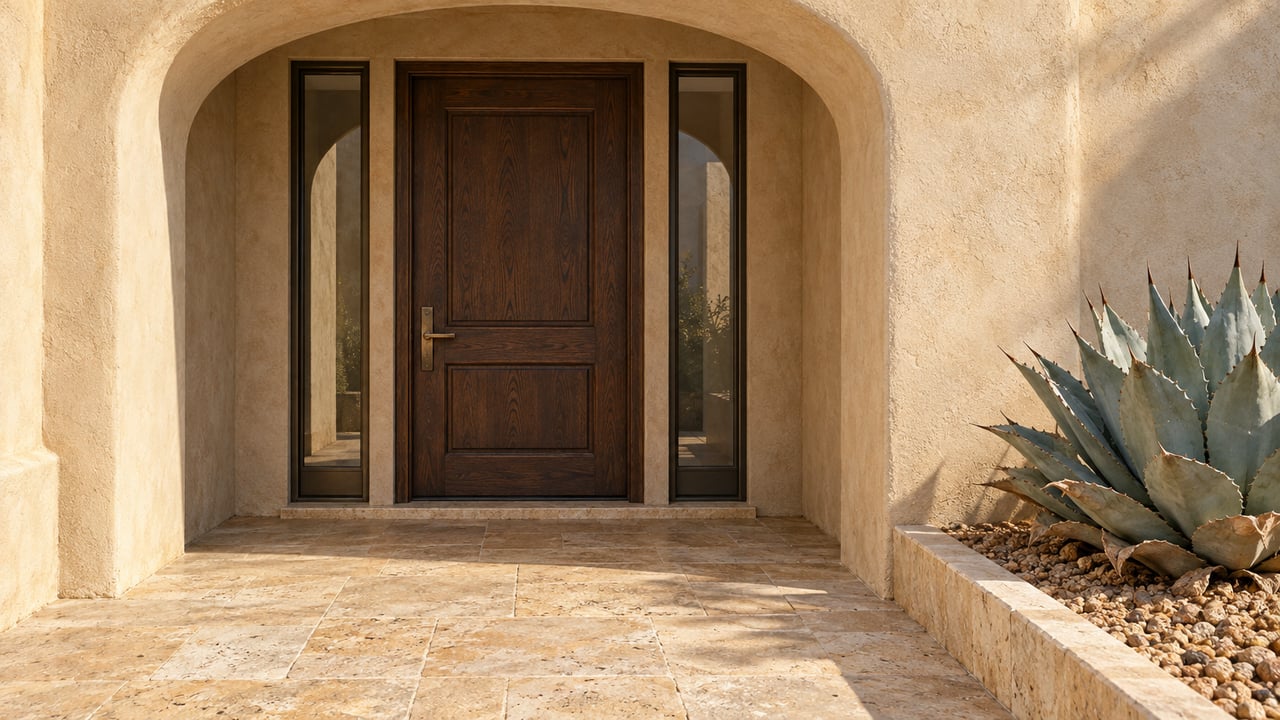
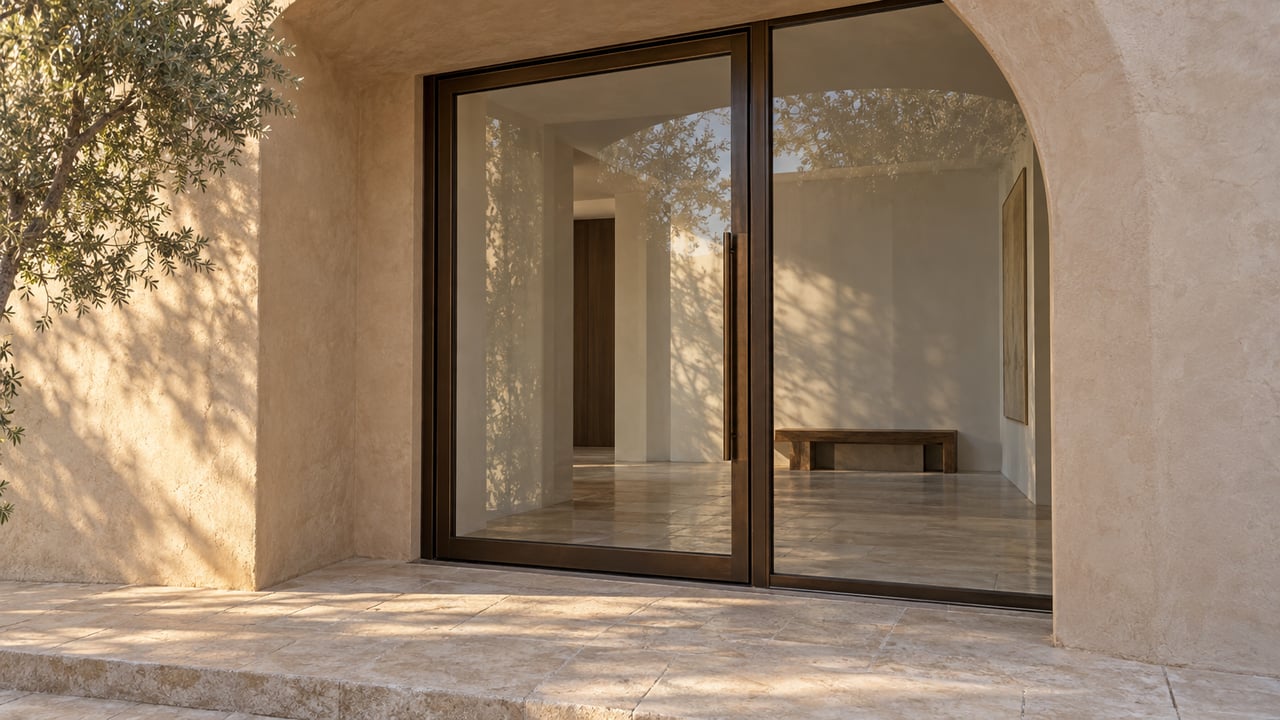
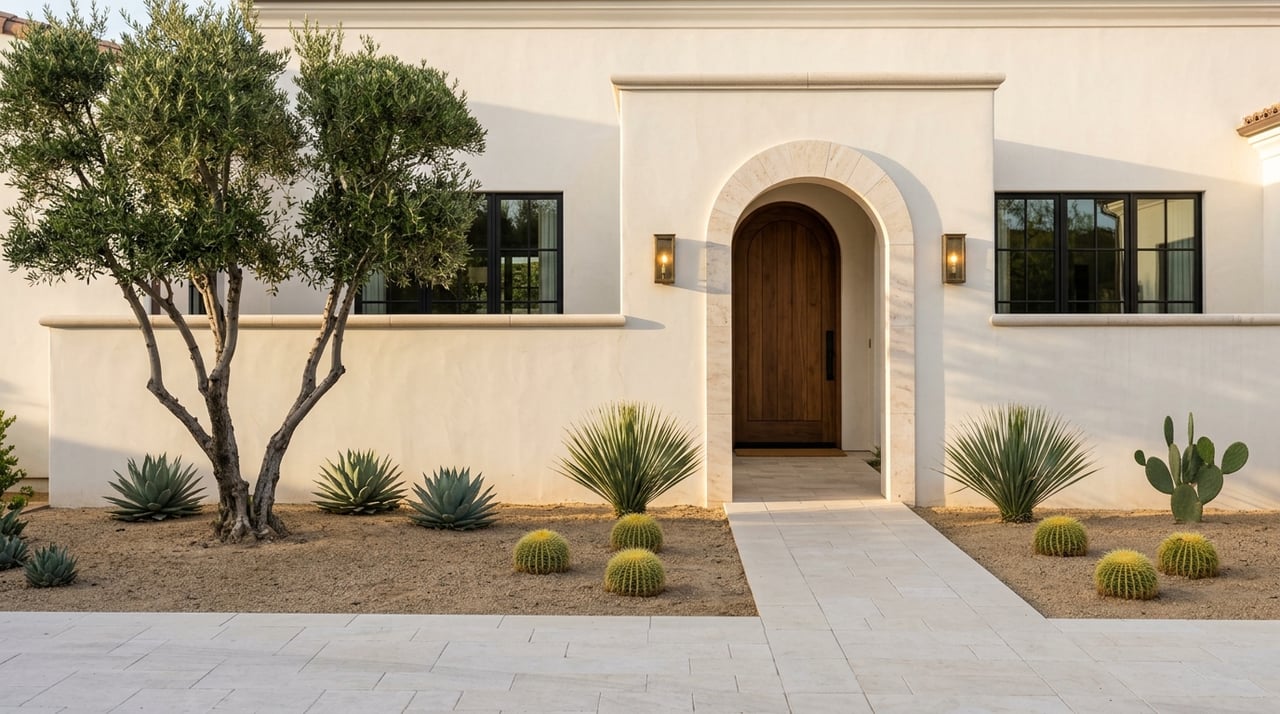
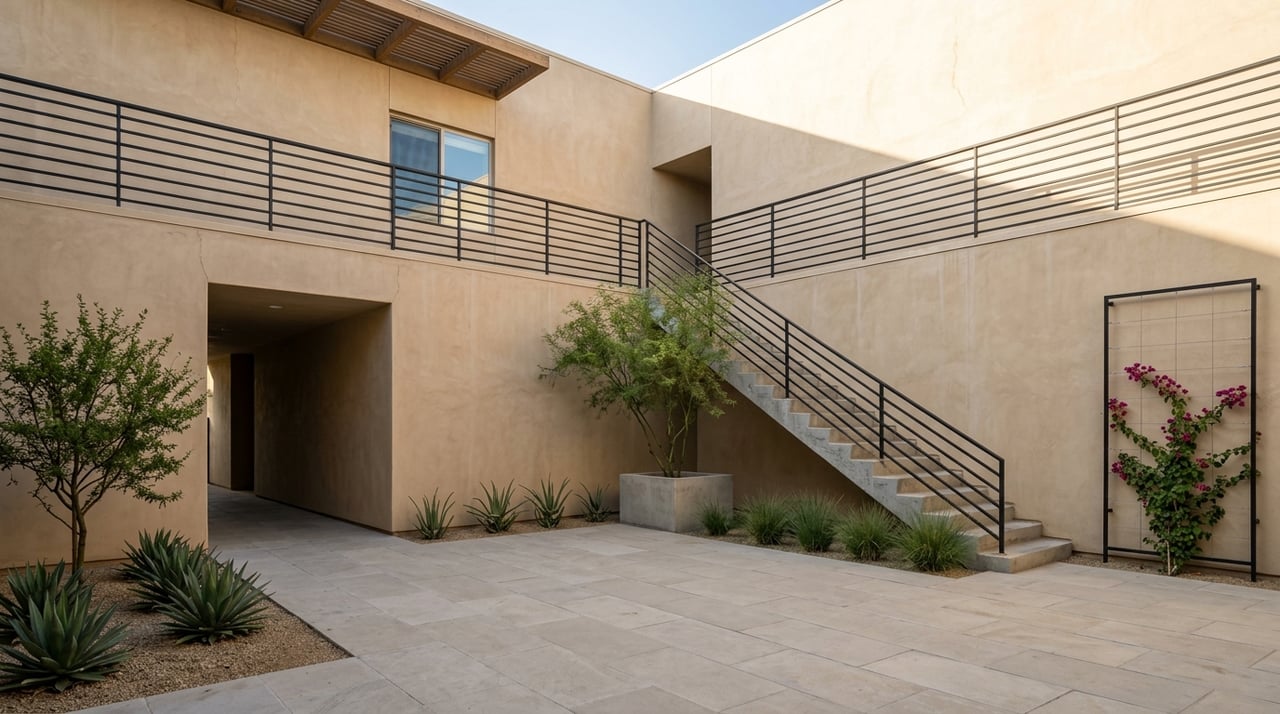
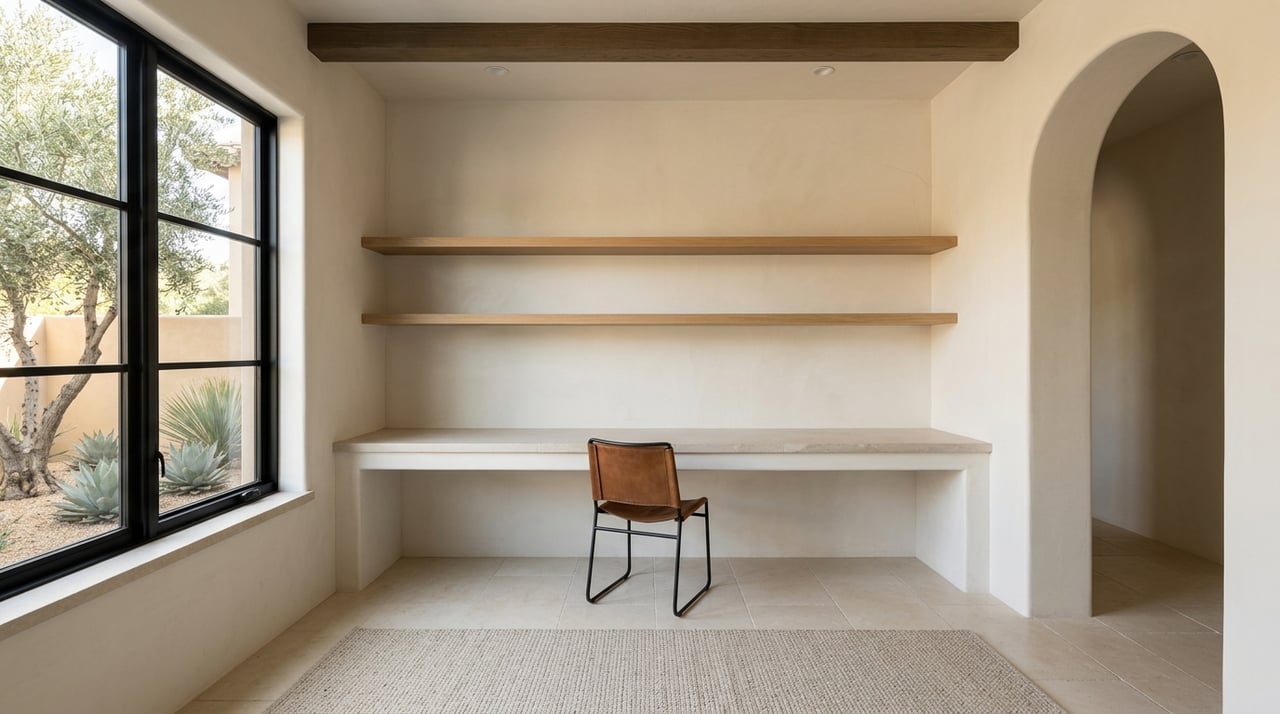
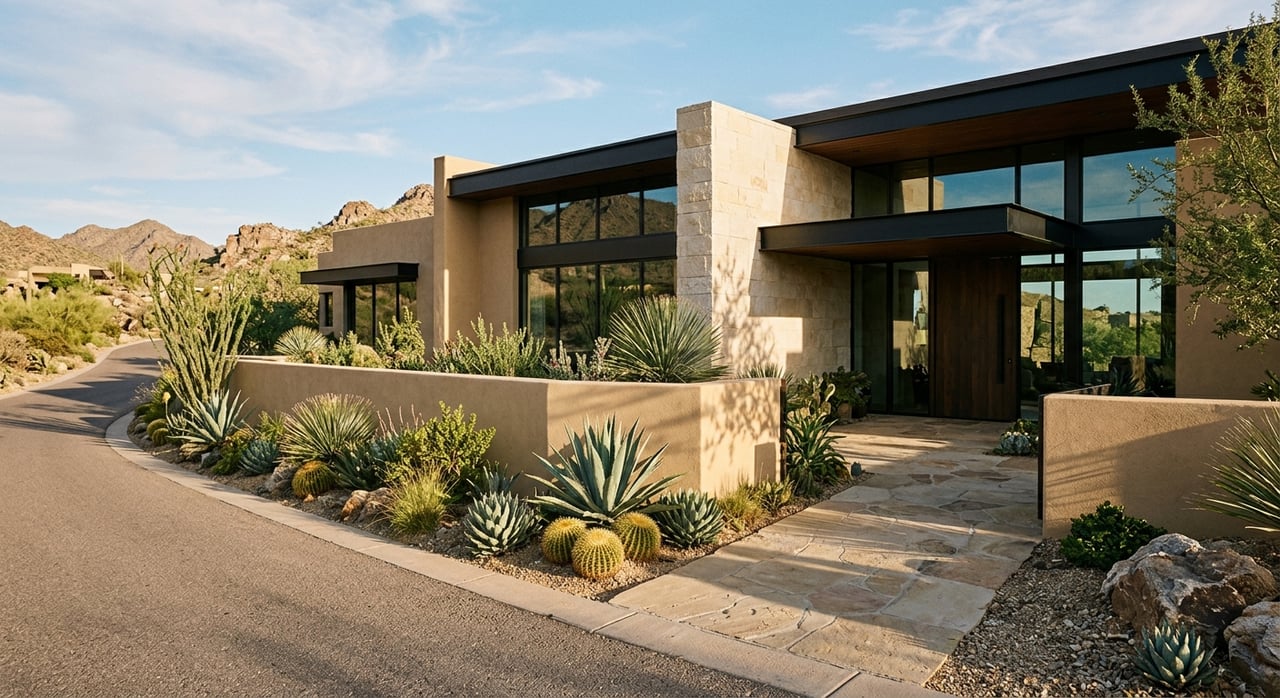
So when you drive through Paradise Valley, you may see a range of home styles rather than a repetitive subdivision pattern. What tends to tie them together is not one architectural formula, but a relationship to the lot, the desert setting, and the surrounding views.
That approach becomes even more visible in hillside areas. The town’s Hillside Building Committee reviews factors like lighting, height, grading, materials, and drainage to help preserve the hillside environment. In everyday terms, that gives many homes a more customized, site-aware feel.
Nights are darker and calmer
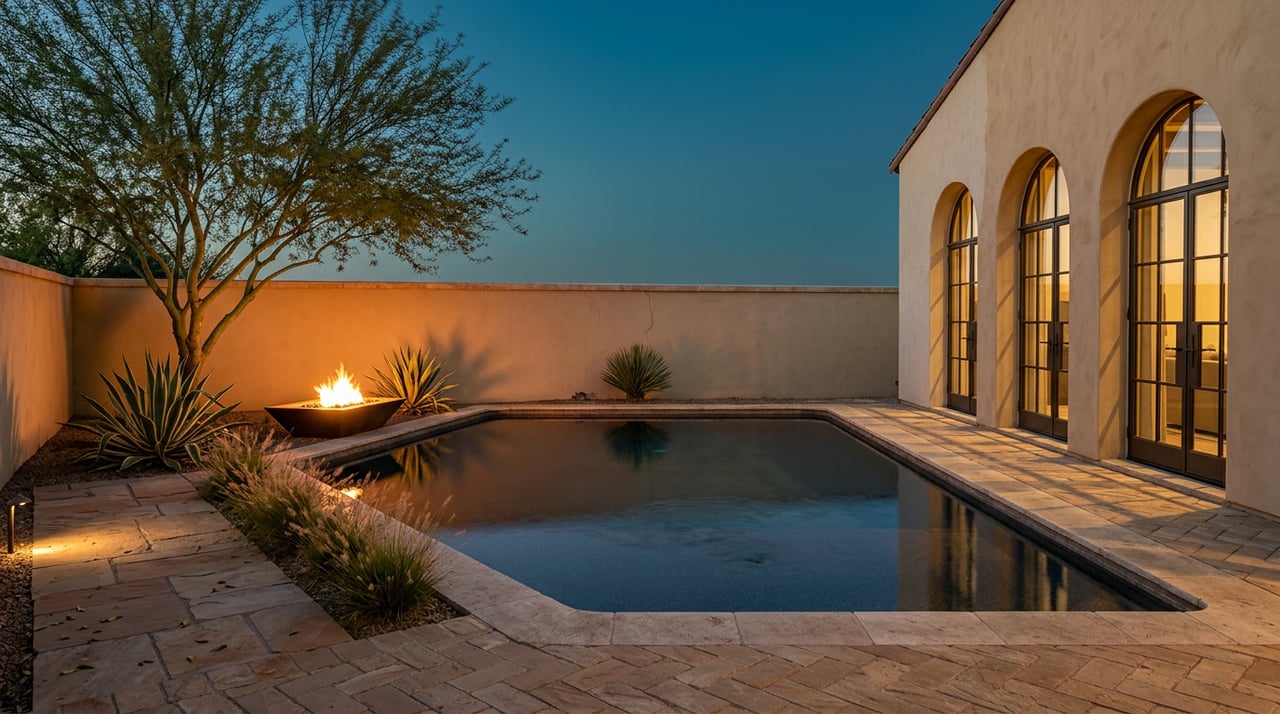
One of the more subtle parts of life in Paradise Valley is how evenings feel. Because the town places emphasis on reducing light pollution and glare, and on protecting neighborhood quiet, the nighttime atmosphere tends to feel subdued rather than bright and overstimulated.
That may sound like a small thing, but it changes the character of daily life. After sunset, Paradise Valley often feels more residential, more relaxed, and less commercial than many nearby areas.
For people who want a home environment that actually winds down at the end of the day, this is a meaningful lifestyle feature. It supports the sense that Paradise Valley is designed first as a place to live, not just a place to pass through.
Dining and resort access add polish
Even though Paradise Valley is quiet and residential, it is not isolated. The town’s visitor page highlights a hospitality-centered lifestyle shaped by resort and spa destinations, golf, and established dining options including Camelback Inn, Mountain Shadows, Sanctuary Camelback Mountain, Omni Scottsdale Resort & Spa at Montelucia, Hermosa Inn, El Chorro, and others.
That gives daily life an interesting balance. Home can feel private and removed, while dining, spa, golf, or resort settings are still close at hand. You do not need the town itself to feel dense or commercial in order to have access to polished amenities.
The tone of those amenities also says a lot about the lifestyle. At Sanctuary Camelback Mountain, elements emphasizes seasonal menus and views of Paradise Valley, while jade bar focuses on cocktails and patio seating. Those details reflect the broader rhythm of the area: scenic, relaxed, and design-conscious.
Everyday errands are mostly car-based
Paradise Valley offers convenient access to nearby amenities, but the routine is still largely car-oriented. According to the General Plan, key connections run through Tatum Boulevard, Lincoln Drive, Shea Boulevard, Scottsdale Road, and 32nd Street, while local transit remains limited.
That means daily life here is generally not built around walking from one errand to the next. Instead, you are likely driving to services, dining, shopping, or appointments in and around Paradise Valley, Scottsdale, and nearby parts of Phoenix.
For some buyers, that is exactly the tradeoff they want. They prefer a quieter home setting and are comfortable driving for convenience. In Paradise Valley, that pattern is part of the lifestyle.
Who tends to love it most
Paradise Valley tends to appeal to people who want space, privacy, scenery, and a more composed residential environment. If your ideal day includes mountain views, a quieter street presence, and access to resort-style dining and amenities without living in the middle of constant activity, the town checks those boxes.
It can be especially appealing if you value design, setting, and long-term neighborhood character. Between preserved mountain land, low-density planning, and hillside design review, the area reflects a clear commitment to protecting what makes it distinct.
That said, the lifestyle is specific. If you want a highly walkable, retail-heavy, always-busy environment, Paradise Valley may feel too quiet. But if you want a calm home base with strong access to the broader Scottsdale-Phoenix area, it offers a very particular kind of day-to-day ease.
What buyers should keep in mind
When you are considering Paradise Valley, it helps to look past square footage and finishes and focus on how the town functions. The daily experience here is shaped by lot size, privacy, road patterns, mountain context, and a deliberate limit on commercial intensity.
That is why two homes with similar price points can feel very different depending on siting, views, road access, and how closely they align with the lifestyle you want. In Paradise Valley, the setting is not just background. It is part of the value.
If you are weighing Paradise Valley against nearby areas like Scottsdale, Arcadia, or Biltmore, the smartest move is to compare the rhythm of each location, not just the homes themselves. If you want help sorting through those differences and finding the right fit, Laura Lee Cahal can help you evaluate the lifestyle, property positioning, and neighborhood tradeoffs with a clear, practical approach.
FAQs
What does daily life in Paradise Valley feel like?
- Daily life in Paradise Valley generally feels quiet, private, low-density, and residential, with a slower pace shaped by open space, mountain views, and limited commercial development.
Is Paradise Valley walkable for everyday errands?
- Paradise Valley is largely car-oriented, with daily travel typically centered on driving major roads like Lincoln Drive, Tatum Boulevard, Shea Boulevard, Scottsdale Road, and 32nd Street.
What makes Paradise Valley feel different from nearby areas?
- Paradise Valley stands out for its primarily one-acre residential pattern, preserved open space, darker night skies, quieter neighborhoods, and strong emphasis on privacy and scenic character.
Does Paradise Valley have restaurants and amenities nearby?
- Yes, Paradise Valley has access to resort, spa, golf, and dining destinations, while still maintaining a primarily residential and low-key day-to-day feel.
What kind of home environment can you expect in Paradise Valley?
- You can generally expect a site-sensitive residential environment with varied architecture, larger lots, desert views, and design standards intended to respect the natural setting.