Arizona's real estate rulebook shifted meaningfully heading into 2026, and the changes land differently depending on whether you're buying a first home in Arcadia, listing an estate in Paradise Valley, or building a rental portfolio across the Biltmore corridor. Below is a plain-English breakdown of the laws and tax updates that matter most right now, paired with current local market numbers so you can see how the rules play out in our specific neighborhoods.
What changed in Arizona real estate law for 2026?
Several state and federal updates took effect between late 2025 and January 2026. The ones with the biggest practical impact in the Scottsdale and North Central Phoenix luxury market are:
- Personal property tax exemption raised to $500,000. Effective January 1, 2026, Arizona increased the personal property tax exemption, which is especially relevant for investors and owners holding business or rental-related personal property.
- PMI is deductible again. Beginning in the 2026 tax year, private mortgage insurance can once again be deducted as mortgage interest, a real benefit for buyers putting down less than 20%.
- SALT deduction cap raised to $40,000. The federal state-and-local-tax deduction cap increased to $40,000 for 2025 through 2029, a meaningful change for higher-income owners in premium ZIP codes.
- HOA foreclosure threshold raised from $1,200 to $10,000. Effective September 26, 2025, an Arizona HOA cannot foreclose on a lien until the delinquency reaches $10,000, and the delinquency window extended from one year to 18 months.
- New foreign-ownership restriction. A law effective September 26, 2025 prohibits foreign adversary nations or their agents from holding more than a 30% interest in Arizona real property.
How do Arizona's disclosure rules affect sellers and buyers?
Arizona remains a robust disclosure state. Sellers of residential property complete the Seller's Property Disclosure Statement (SPDS), detailing known conditions of the home. In unincorporated areas, sellers of five or fewer parcels must also provide more detailed Affidavits of Disclosure covering wells, septic systems, and solar or battery energy devices.
Buyers should treat the SPDS as a starting point, not a substitute for inspections. Sellers should complete it carefully and honestly, since incomplete or inaccurate disclosures are one of the most common sources of post-closing disputes in Arizona.
What do investors need to know about wholesaling disclosure?
Since September 24, 2022, Arizona law requires a written disclosure of wholesale buyer or seller status before any binding agreement. If a wholesale buyer fails to disclose in writing that they are a wholesaler, the seller may cancel the contract at any time before closing, without penalty, and keep the earnest money. Investors active in Scottsdale and Phoenix should confirm their contracts and assignment paperwork reflect this requirement to avoid losing deals at the closing table.
Scottsdale, Paradise Valley, Arcadia & Biltmore market snapshot (mid-2026)
Laws set the rules; the local numbers tell you how to play. Here is where each of Laura Lee's core markets stands in mid-2026:
- Scottsdale: Home prices rose roughly 11.4% year-over-year for the three months ending April 2026, with a median around $969,000. Inventory remains tight at under two months of supply, and well-priced homes still move, though days on market have stretched past 60 days.
- Paradise Valley: The luxury benchmark of the Valley. Median sale price ran about $4.6M over the trailing three months, up roughly 3.4% year-over-year, at about $885 per square foot. Homes are averaging near 69 days on market.
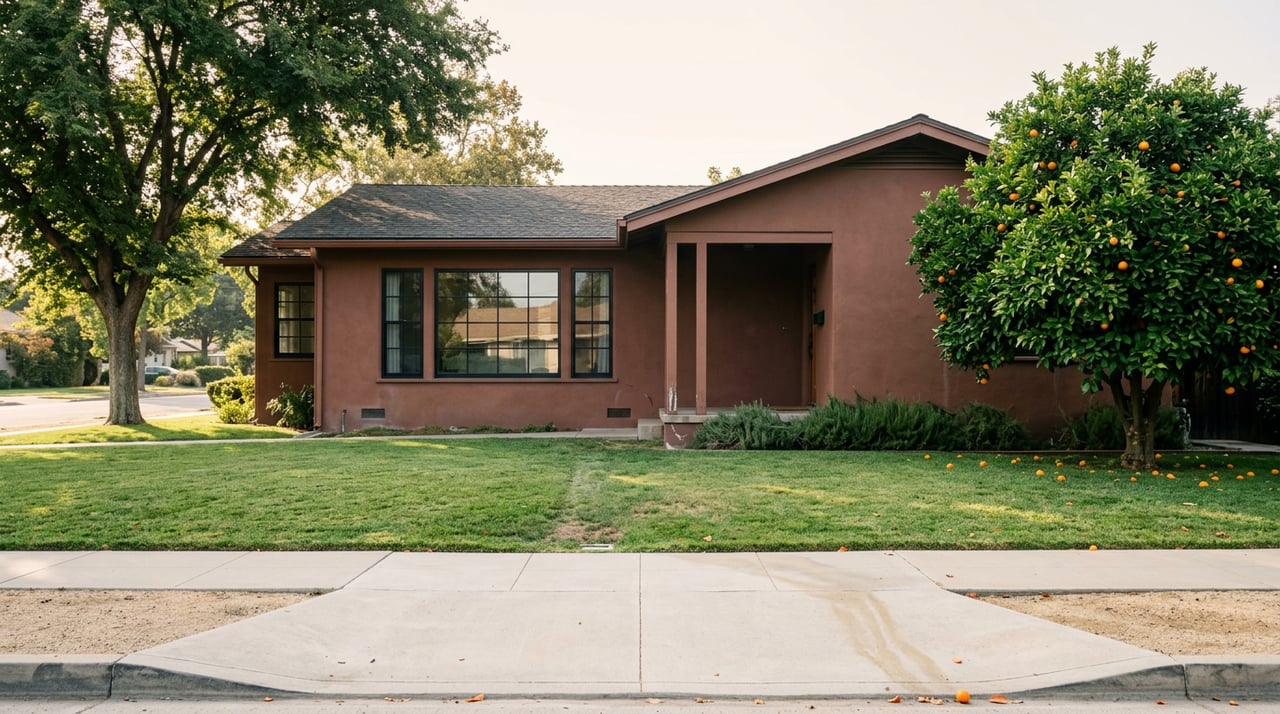
- Arcadia: A historic-character favorite. The May 2026 median sale price was about $1.45M, with recent readings down modestly (around 5% year-over-year), reflecting a normalizing rather than falling market.
- Biltmore / Camelback Corridor: Median around $815,000 as of May 2026, roughly flat year-over-year, with homes selling faster than a year ago (about 44 days on market versus 55 last year).
The throughline: Greater Phoenix luxury supply has grown, demand has improved from last year, and pricing is normalizing rather than crashing. That rewards accurate pricing and sharp negotiation over the across-the-board bidding wars of 2021.
What this means if you're buying
More inventory between $1M and $5M means more negotiating leverage than buyers had two years ago. The return of PMI deductibility also softens the cost of a smaller down payment. If you're buying in an HOA community, the higher foreclosure threshold offers added protection, but always review HOA financials and assessments before you commit.
What this means if you're selling
Pricing precision matters more than ever. With days on market lengthening in Scottsdale and Paradise Valley, the homes that sell quickly are the ones priced to current comparable sales, not last year's peak. Complete your SPDS thoroughly to reduce renegotiation risk, and lean on professional staging and marketing to stand out in a deeper inventory pool.
What this means if you're investing
The raised personal property tax exemption and SALT cap improve the after-tax math on Arizona holdings. Wholesalers must keep disclosure paperwork airtight. And the foreign-ownership rule is worth understanding for anyone structuring deals with overseas capital partners.
Frequently asked questions
Is now a good time to buy in Scottsdale? For buyers who value selection and negotiating room, yes. Inventory in the $1M to $5M range has expanded and price growth has cooled to single digits, a healthier and more negotiable market than the 2021 to 2022 frenzy.
Are Paradise Valley home prices going up or down in 2026? Up modestly. The trailing three-month median was roughly $4.6M, about 3.4% higher year-over-year, with price per square foot near $885.
Do I have to disclose a death or other stigmatizing event when selling in Arizona? Arizona law does not require disclosure of non-physical stigmatizing events such as a death on the property, but sellers must still disclose known material physical defects via the SPDS. When in doubt, ask your agent or a real estate attorney.
What is the new HOA foreclosure rule in Arizona? As of September 26, 2025, an Arizona HOA cannot pursue foreclosure on a lien until the unpaid balance reaches $10,000, and the delinquency period extended to 18 months.
Work with a local specialist
Tax rules and market conditions are moving targets, and the right strategy in Arcadia is not the same as in Paradise Valley. Laura Lee specializes in Scottsdale, Paradise Valley, Arcadia, and Biltmore and helps buyers, sellers, and investors translate these changes into a concrete plan. Reach out for a current, neighborhood-specific consultation.
This article is for general information and is not legal, tax, or financial advice. Consult a qualified attorney or tax professional about your specific situation.