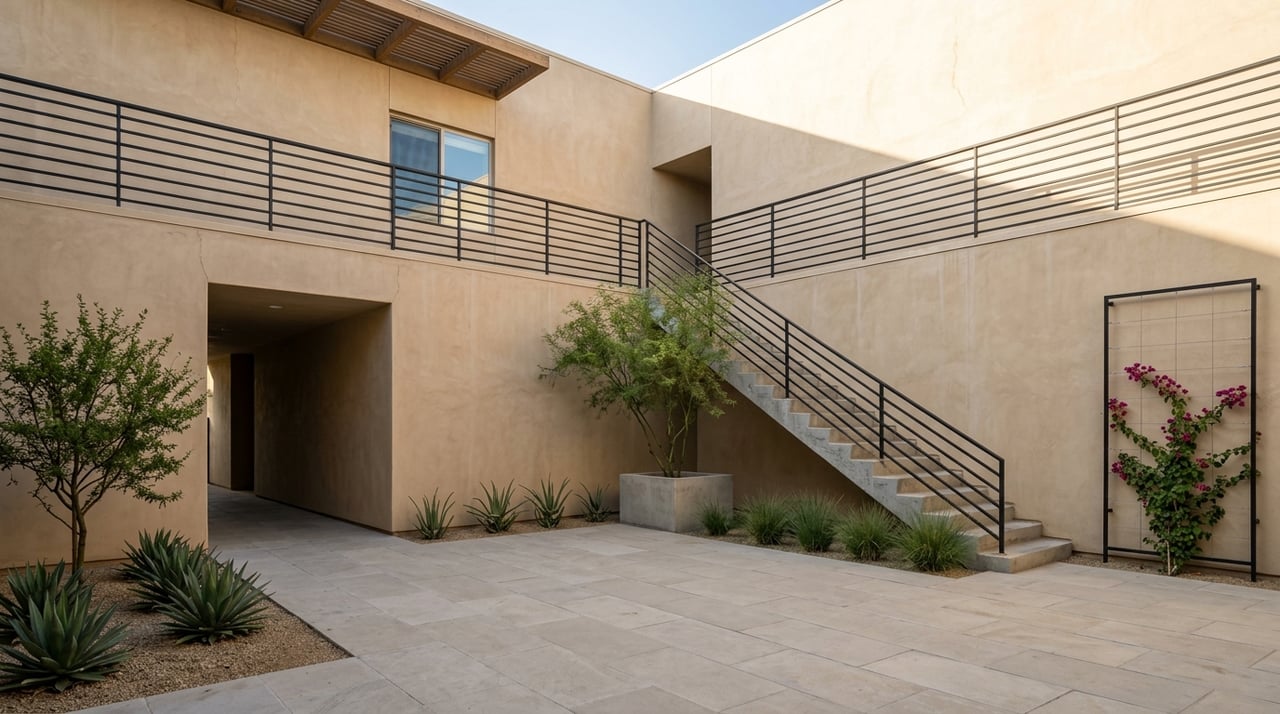
Tempe condos can look simple on the surface, but the investment math often depends on details that are easy to miss. If you are thinking about buying near Arizona State University, you are probably weighing rental demand, HOA rules, financing, and future resale all at once. This guide will help you focus on the fundamentals that matter most in Tempe so you can make a more informed decision before you buy. Let’s dive in.
Why Tempe Draws Condo Investors
Tempe has several traits that keep condos and townhomes in the conversation for investors. Arizona State University is the biggest one. ASU reported 55,500 campus-immersion students on the Tempe campus in fall 2025, and it identifies Tempe as its largest immersion location.
That demand sits inside a city with a strong rental profile. Tempe’s Census profile shows 190,571 residents, a 42.3% owner-occupied housing rate, and a median gross rent of $1,743. A recent housing profile also showed 84,909 housing units in 2022, with 33% of the housing stock made up of attached structures with 10 or more units.
In plain terms, that means you are looking at a market where condos and townhomes already fit the local housing mix. It also helps explain why likely buyer and renter groups often include students, graduate students, faculty and staff, young professionals, parents buying for a student, and second-home owners who want a lower-maintenance property near campus and downtown.
Start With the Property Type
Before you analyze rent potential, confirm what you are actually buying. In Arizona, a condominium and a townhome in a planned community can fall under different statutes, and that affects the disclosure package, association structure, and how you review the property.
This is not just a technical detail. It shapes how the association handles maintenance, what records you receive during escrow, and what restrictions may apply if you plan to lease the home. If you skip this step, you can misunderstand both your costs and your rights.
Why condo vs. townhome matters
Arizona requires resale disclosures for both condos and planned communities, but the legal framework is different. After notice of a pending sale, the association must provide the resale disclosure documents within 10 days. Those documents include the governing documents, assessment status, insurance coverage, reserve information, alterations, litigation, operating budget, annual financial report, and reserve study if one exists.
Arizona also caps the association’s resale-document fee at $400, with a $100 rush fee and a $50 update fee. The statutory acknowledgment also notes that unpaid assessments can lead to foreclosure. That alone should tell you why the association review is not a throwaway step.
Review the HOA Like an Investor
In Tempe, the HOA can affect your cash flow just as much as your mortgage. Condo dues often cover exterior and common-area maintenance, and they may also include water, sewer, trash, amenities, insurance, and reserves. You should underwrite those dues as an operating expense, not as an afterthought.
A low monthly fee is not always better if the budget is underfunded. On the flip side, a higher fee may support stronger reserves and fewer surprises later. The goal is not to find the cheapest association. The goal is to find a project that looks stable, well-managed, and financially realistic.
What to check in the resale packet
As you review the association documents, pay close attention to:
- Current monthly assessments
- Reserve balances and any reserve study
- The annual budget and annual financial report
- Insurance coverage
- Pending litigation
- Recorded alterations or property issues
- Any sign of deferred maintenance
- Lease restrictions or rental time-period rules
If the numbers or documents feel vague, treat that as a signal to slow down. A condo can perform well for years, then lose momentum quickly if special assessments, insurance gaps, or project problems show up.
Confirm Rentals Are Actually Allowed
Many buyers assume a Tempe condo near ASU can automatically be rented. That is not a safe assumption. Arizona law allows an owner to use the property as a rental unless the declaration prohibits it, and owners must comply with any rental time-period restrictions in the governing documents.
That means city demand is only one piece of the puzzle. The CC&Rs may limit lease terms, cap rentals, or impose other rules that affect your plan. If you are buying for a student now and hoping to rent later, or buying as a long-term hold, you need to verify those rules before you commit.
Tenant information and rental rules
If the property will be rented, the association may request only limited tenant information. Arizona law also allows the association to charge up to $25 per new tenancy for those disclosures. That is not a major cost, but it is another reminder that rental use is governed by both state law and the association documents.
Evaluate Financing and Future Resale
A condo purchase is not just about whether you qualify for a loan. Lenders also evaluate the project itself. That is why two similar units in different buildings can have very different financing paths.
Fannie Mae says a condo project can be ineligible if it operates like a hotel or motel, is primarily transient, requires rental pooling, or has litigation or critical repairs tied to habitability or structural soundness. In mixed-use downtown buildings, commercial space also deserves extra attention because Fannie Mae generally limits commercial space in a project to 35%.
Why project eligibility matters
Even if you plan to pay cash, financing rules still matter because they can affect your future buyer pool. If mainstream financing becomes harder in a project, resale can get tougher too. That can put pressure on pricing, days on market, and your exit options later.
This is one reason I like buyers to think past the purchase and into the resale. A condo that works on paper today should also make sense when you eventually sell.
Inspect More Than the Unit
A clean interior does not always mean a sound investment. Arizona law puts maintenance, repair, and replacement of common elements on the association, while the owner is responsible for the unit itself. So your due diligence should look at both the interior and the condition of the shared systems around it.
This matters because shared components can turn into special assessments. If the building has visible wear, aging systems, or deferred maintenance, your future costs may be higher than the listing suggests.
Tempe condo inspection priorities
A practical inspection and review process often includes:
- Water intrusion
- Roof condition
- Balconies or decks
- Stucco or siding
- Windows and sliding doors
- Plumbing stacks
- HVAC age and service history
- Electrical panels
- Drainage
- Noise transfer
- Parking and access
- Fire and life-safety items
- Visible deferred maintenance in common areas
You are not just checking for today’s defects. You are trying to spot tomorrow’s capital calls.
Understand Rent-Ready Standards in Tempe
If you plan to lease the property, condition matters beyond cosmetics. Tempe’s rental code says every rental housing unit must have heating that can safely reach 70°F in habitable rooms, cooling that meets the city’s temperature thresholds, hot water at 110°F, and properly installed and maintained electrical service and lighting.
The city also says all rental units must be registered with the Maricopa County Assessor. If your strategy includes leasing, make sure the unit can meet these baseline standards without a scramble after closing.
Think Carefully About Short-Term Rentals
Some buyers are drawn to Tempe for flexible rental options, but short-term rental plans need careful review. Tempe treats stays under 30 days as short-term rentals. The city says short-term rentals remain taxable as hotels, while residential rentals with stays of 30 days or more are no longer subject to city TPT effective January 1, 2025.
The city also requires a short-term rental license and a state TPT license for that use, and the current city page lists a $250 annual license fee per property. Just as important, city licensing does not override the HOA documents.
Match your strategy to the rules
If your exit plan includes short-term stays, verify both layers before you buy:
- City licensing and tax treatment
- HOA rental restrictions in the declaration
If either one blocks your plan, the strategy does not work. That sounds obvious, but it is one of the most common places investors get too optimistic too early.
Plan Around Tempe’s Demand Cycle
ASU is the anchor demand driver in this market, so timing matters. With 55,500 campus-immersion students at the Tempe campus and a housing profile that notes new construction has helped serve residents, especially students, lease-up and renewal planning should be tied to student-oriented cycles.
That does not mean every condo near ASU should be treated the same way. It means you should think carefully about when demand is strongest, how turnover may affect your carrying costs, and whether your property type and location fit the renter profile you are targeting.
Build a Realistic Hold Plan
A solid Tempe condo investment is usually built on discipline, not hype. Your hold plan should account for HOA dues, possible special assessments, vacancy, turnover costs, insurance gaps, and the chance that project status could affect later financing and resale.
This is where practical underwriting wins. If the deal still makes sense after you stress-test those variables, you are looking at a stronger opportunity. If it only works under perfect conditions, keep looking.
If you want help evaluating a Tempe condo or townhome with a clear eye on rules, condition, and resale, Laura Lee Cahal brings a strategic, detail-driven approach to buying in the Valley.
FAQs
What makes Tempe condos attractive for investors?
- Tempe benefits from strong rental-oriented housing demand, a large ASU presence with 55,500 campus-immersion students in fall 2025, a 42.3% owner-occupied housing rate, and a housing stock that includes many attached units.
What should you verify before buying a condo near ASU?
- You should confirm whether the property is legally a condominium or a townhome in a planned community, then review the HOA documents, reserve information, rental rules, insurance, budget, and any litigation or deferred maintenance issues.
Are rentals allowed in Tempe condo communities?
- Arizona law allows rental use unless the declaration prohibits it, but you still must follow any HOA rental time-period restrictions or other leasing rules in the governing documents.
What financing issues can affect a Tempe condo purchase?
- Lenders may review the entire condo project, and issues like hotel-style use, transient occupancy, rental pooling, major litigation, structural concerns, or too much commercial space can affect eligibility.
What does Tempe require for a rental condo?
- Tempe requires rental units to meet basic habitability standards for heating, cooling, hot water, and electrical service, and the city says all rental units must be registered with the Maricopa County Assessor.
Can you use a Tempe condo as a short-term rental?
- Possibly, but you need both city compliance and HOA approval because stays under 30 days are treated as short-term rentals by the city, and HOA documents can still prohibit or restrict that use.