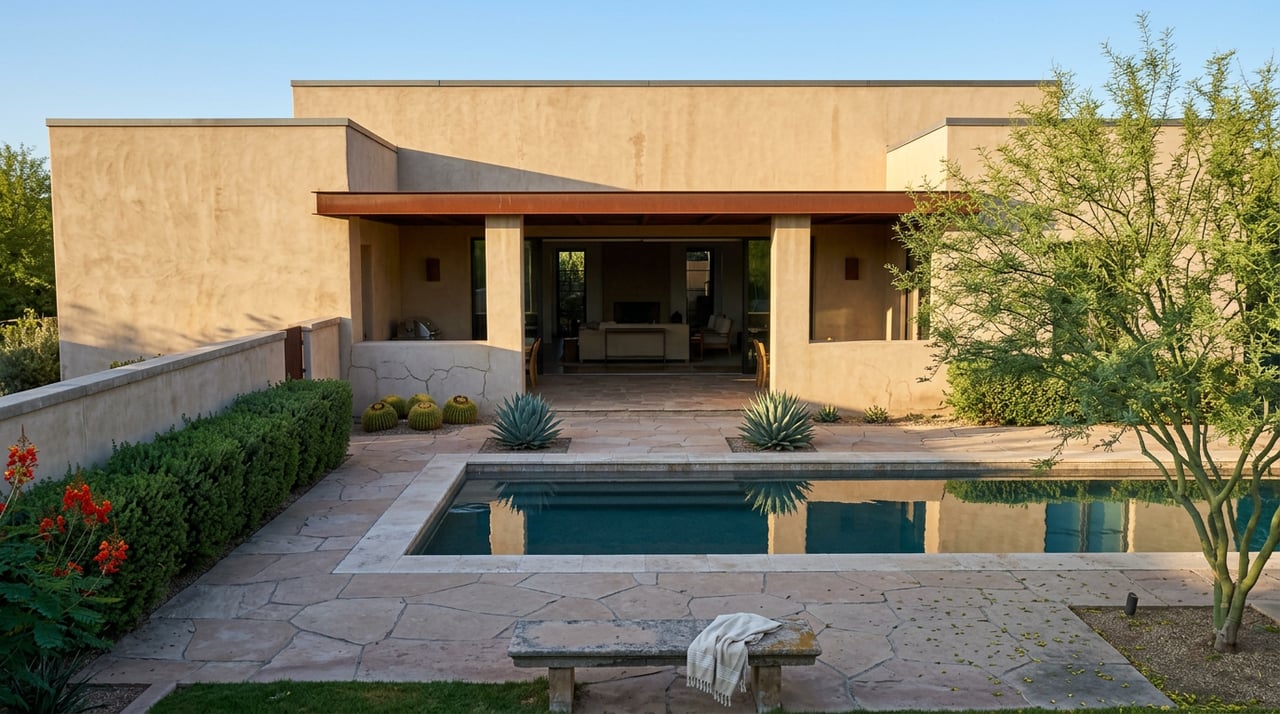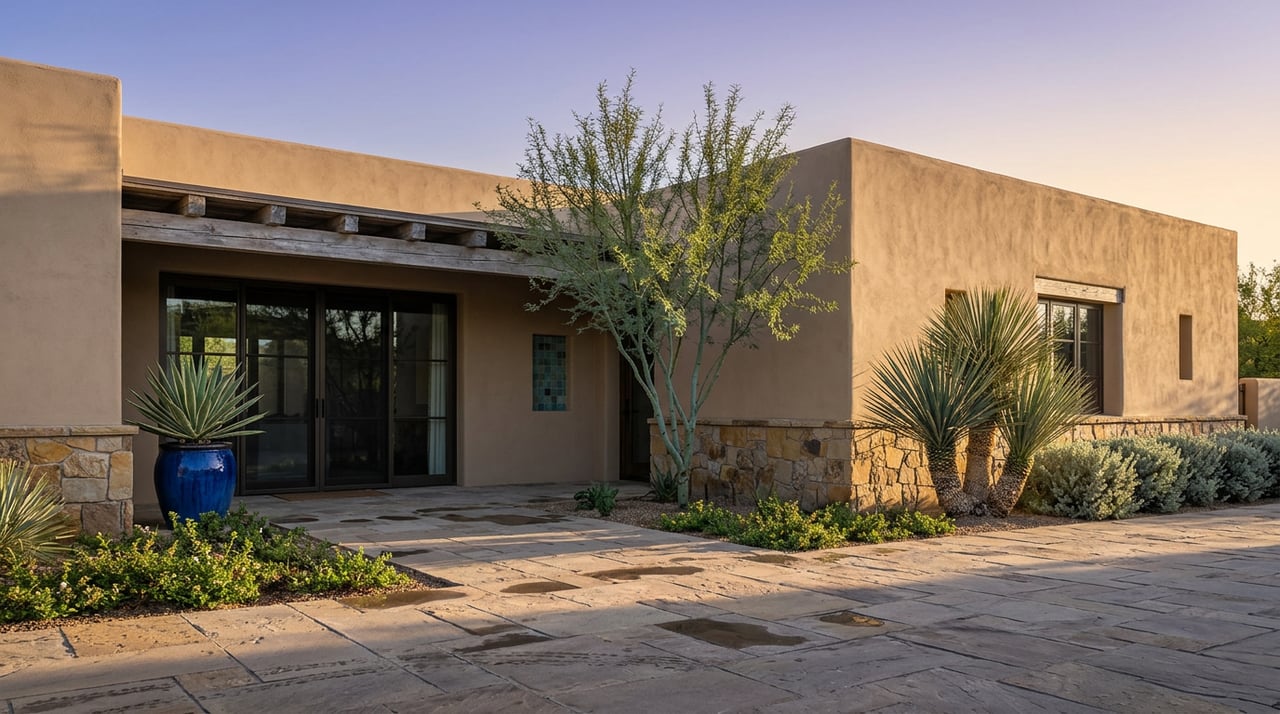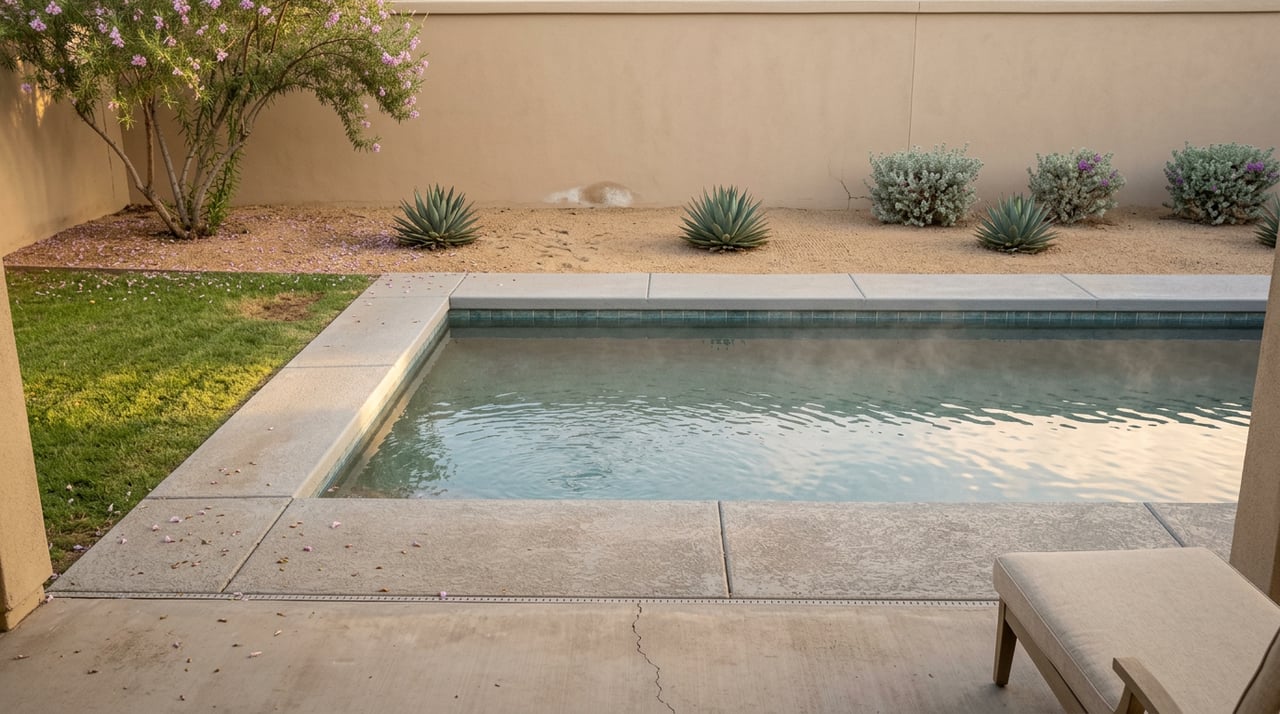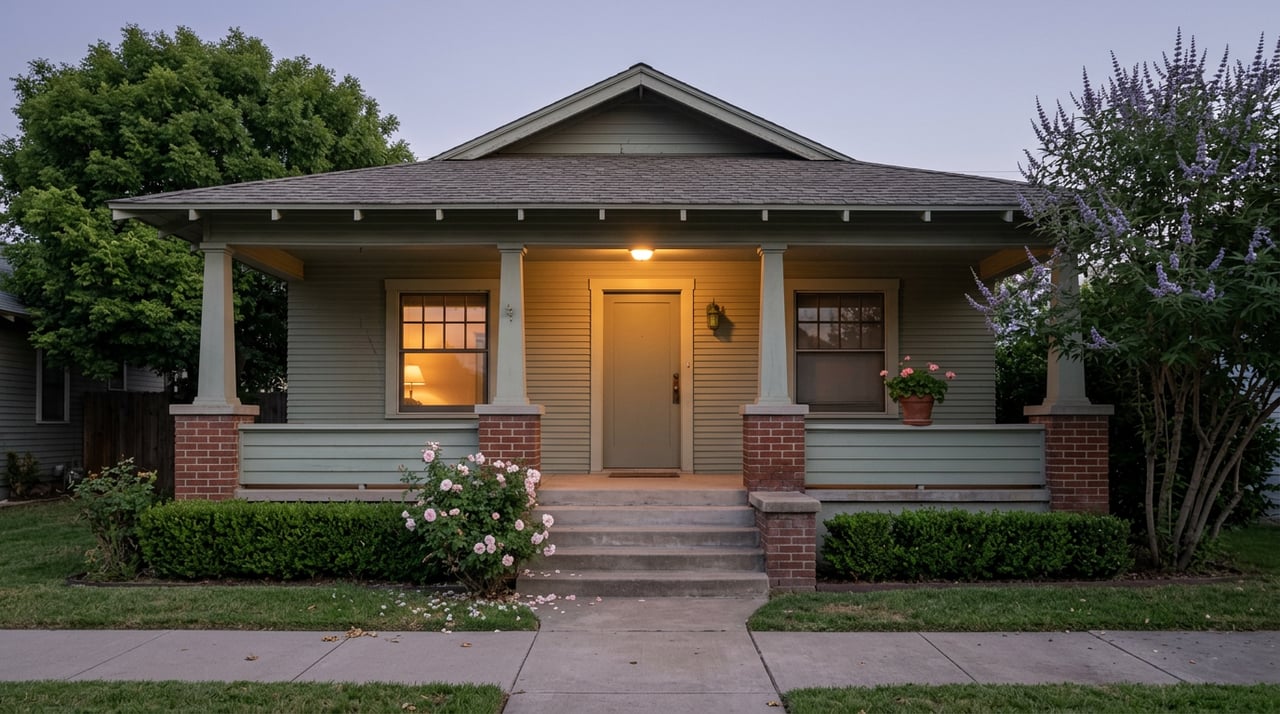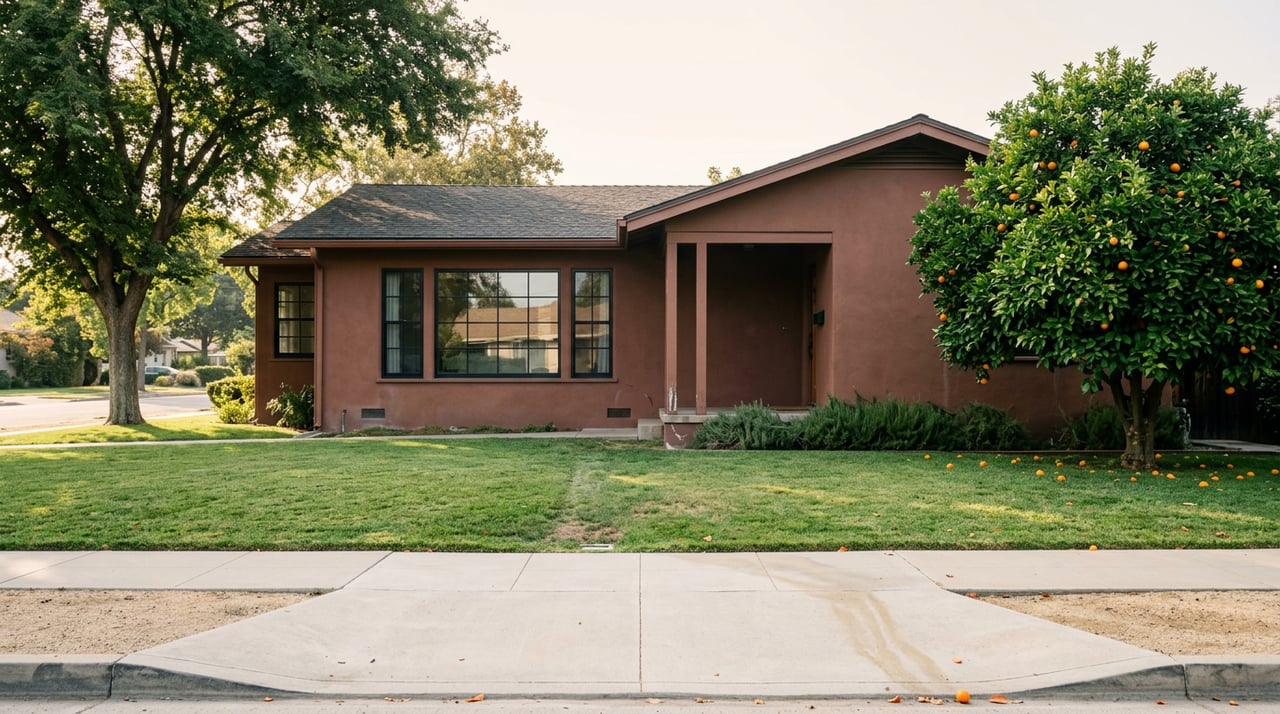
Relocating to Phoenix for a luxury home purchase can feel simple on a map and complicated the moment you start comparing addresses. One stretch of road can connect resort living, historic estates, large-lot privacy, and an urban lifestyle, but those experiences are not interchangeable. If you are buying from out of town, you need more than a neighborhood name. You need a practical way to read the luxury corridors. Let’s dive in.
Why Phoenix Luxury Feels Fragmented
Phoenix luxury is not one single district. It is better understood as a set of adjacent micro-markets, each with its own setting, land-use pattern, and day-to-day rhythm.
That matters if you are coming in from another city and trying to narrow your search quickly. A home in Camelback East, Arcadia, Paradise Valley, or nearby Scottsdale may sound close in conversation, but the buyer experience can be very different block by block.
For many out-of-town buyers, the easiest way to organize the search is by corridor. In practical terms, that often means following the Camelback Road spine and then comparing the nearby areas that branch from it.
Start With the Camelback Corridor
The term Camelback Corridor is a useful shorthand for the stretch that links Biltmore, Arcadia, and nearby resort properties around Camelback Mountain. It is not an official city label, but it is a helpful way to think about the close-in luxury geography.
This part of the market sits in and around Camelback East, an east-central Phoenix village. City planning materials describe Camelback East as home to major landmarks, three five-star resorts, and a primary core designed to support office, retail, entertainment, hotel or resort, and housing uses.
If you want a luxury lifestyle with strong access to major destinations, this corridor deserves early attention. It gives you a close-in Phoenix experience with mountain views, resort energy, and relatively easy access to downtown Phoenix and Sky Harbor.
Camelback East: Resort Access and Central Location
Camelback East appeals to buyers who want to be near some of the best-known landmarks in the city. The area includes Camelback Mountain, Piestewa Peak, Papago Park, the Phoenix Zoo, and the Desert Botanical Garden.
From a lifestyle standpoint, this is one of the most central luxury-leaning areas in Phoenix. The city describes its primary core as a destination with a strong pedestrian environment and a mix of retail, office, entertainment, hotel or resort, and housing uses.
For you as a buyer, that translates into convenience and activity. If you want a home base that feels connected to dining, shopping, resort amenities, and major city access points, Camelback East is often one of the first places to evaluate.
Biltmore: Polished and Convenient
Biltmore sits just east of central Phoenix and gives you one of the most recognizable luxury settings in the area. It is anchored by the Arizona Biltmore, a 1929 landmark known for Frank Lloyd Wright-inspired architecture and 39 acres of gardens and pools.
The broader Biltmore area is known for high-rises, palm-lined streets, mountain views, destination dining, and Biltmore Fashion Park. That retail and restaurant center includes more than 60 specialty shops and restaurants, and it sits about 7 miles from downtown Phoenix and 7 miles from Sky Harbor.
If you are relocating for business, splitting time between cities, or simply want centrality without giving up a luxury feel, Biltmore is a strong fit. It tends to work well for buyers who value access and polish over estate-scale privacy.
Who Biltmore Often Fits Best
- Buyers who want easy airport access
- Buyers who prefer a more connected, central Phoenix location
- Buyers who enjoy a resort-adjacent setting with retail and dining nearby
- Buyers who want luxury living without moving to a lower-density estate market
Arcadia: Historic Estate Character in Phoenix
Arcadia offers a very different kind of luxury. It is the historic estate corridor on the Phoenix side of the Camelback Road spine, located north of the Arizona Canal, south of Camelback Mountain, and roughly between 44th Street and Scottsdale Road.
Its identity comes from its original layout. The historic survey notes that the original Arcadia plat used large five- to ten-acre lots intended for small citrus orchards, and the area still carries that legacy through mature landscaping, larger lots, and a strong estate feel.
You will also see a meaningful architectural story here. The city survey includes prewar homes in Monterey Revival, Pueblo Revival, and Spanish Colonial Revival styles, which helps explain why Arcadia often feels more rooted and design-driven than newer luxury pockets.
Why Out-of-Town Buyers Notice Arcadia
Arcadia can be a smart choice if you want classic Phoenix character without leaving the city. It tends to attract buyers looking for:
- Larger lots than many central locations offer
- Mature landscaping and a more established streetscape
- Historic identity and architecture
- A luxury residential feel close to the broader Camelback corridor
If your idea of luxury is less about towers or resort polish and more about land, trees, and legacy homes, Arcadia is worth a serious look.
Paradise Valley: Privacy, Views, and Estate Scale
Paradise Valley is not a Phoenix neighborhood. It is its own town, and that distinction matters when you compare it with nearby Phoenix addresses.
The town describes itself as a premier, low-density, largely residential community with luxurious homes. Its history also emphasizes an intentional effort to maintain a one-house-per-acre minimum and a quiet, country-like setting.
That planning framework shapes the buyer experience in a very real way. Paradise Valley is often the clearest choice when privacy, views, and estate scale matter more to you than walkability or urban energy.
The setting also reinforces its appeal. Town materials place Paradise Valley between Camelback Mountain, the Phoenix Mountain Preserve, and the McDowell Mountains, and local preservation efforts focus on protecting scenic beauty, desert plants, wildlife, and mountain areas.
What Paradise Valley Prioritizes
- Lower-density residential living
- Large homesites and estate presentation
- Mountain views and desert setting
- A quieter daily rhythm
If you are moving from another market and asking for the most estate-oriented option near Phoenix and Scottsdale, Paradise Valley is usually the first answer.
Scottsdale: Two Luxury Lifestyles in One City
Nearby Scottsdale usually gives out-of-town buyers two distinct experiences. The first is Old Town Scottsdale, and the second is the broader Airpark area.
Old Town is bounded by Chaparral, Earll, 68th Street, and Miller Road. The city describes it as Arizona’s finest urban center, with more than 90 restaurants, 320 retail shops, and more than 80 art galleries.
That makes Old Town a strong fit if you want energy, dining, retail, and arts in a defined urban district. It can feel very different from the estate-style experience of Paradise Valley or the historic residential identity of Arcadia.
The second Scottsdale draw is connectivity. The Indian Bend Wash greenbelt runs through the heart of the city, and the Crosscut Canal trail links residential areas to Old Town and Tempe, giving buyers another lifestyle layer to consider.
Then there is the Airpark. Scottsdale Airport is a general aviation reliever facility with no commercial airline service, and the surrounding Airpark is a major employment center with more than 85 major companies and about 59,000 employees.
Scottsdale May Be the Right Fit If You Want
- A wider range of lifestyle options in one city
- An urban core with restaurants, galleries, and retail
- Access to greenbelt and trail amenities
- Proximity to a major business district and general aviation airport
A Simple Way to Compare the Corridors
If you are trying to narrow your search fast, this framework can help:
| Area | Best For | General Feel |
|---|---|---|
| Camelback East | Central access and resort proximity | Active, connected, close-in |
| Biltmore | Convenience and polished luxury | Refined, central, amenity-rich |
| Arcadia | Historic character and larger lots | Established, design-aware, estate feel |
| Paradise Valley | Privacy and estate scale | Low-density, scenic, residential |
| Scottsdale | Lifestyle variety and business access | Urban-to-suburban range, flexible |
This is where local guidance matters. In Phoenix luxury, a label gets you in the right zone, but the exact street, lot type, and surrounding land pattern shape your daily experience.
One Practical Detail Buyers Should Not Miss
Older luxury areas in Phoenix can come with a preservation layer that affects what you buy and how changes are reviewed. The Phoenix Historic Property Register is the city’s official list of historic and prehistoric properties, and listed properties are protected from demolition and certain adverse alterations through a special review process.
The city also offers incentives for rehabilitation. For buyers looking in places like Arcadia and other older close-in neighborhoods, that means a home’s design history is not just part of its charm. It can also affect future renovation plans.
Before you assume a remodel path is straightforward, it is worth looking closely at the property’s status and context. This is especially important if you are buying from out of town and planning improvements soon after closing.
How to Tour Phoenix Luxury Smarter
When you only have a few days in town, efficiency matters. The smartest approach is to group your tours by corridor rather than jumping randomly across the map.
Start by deciding what matters most in your day-to-day life. Is it privacy, central access, historic character, resort proximity, or a more urban setting with dining and retail nearby?
Then compare exact pockets, not just broad names. Paradise Valley, Biltmore, Arcadia, Camelback East, and Scottsdale each run on different planning frameworks and land-use patterns, so even nearby addresses can live very differently.
A focused tour plan usually works best:
- Pick your top two lifestyle priorities.
- Match those priorities to two or three corridors.
- Tour homes in those corridors on the same day.
- Compare not just the homes, but also the streets, lot sizes, views, and nearby activity.
- Revisit your top area before making a final decision.
That process gives you a clearer read on fit, especially when you are relocating and trying to move with confidence.
The Bottom Line for Out-of-Town Buyers
Phoenix luxury is easiest to understand when you stop treating it like one market. Biltmore, Arcadia, Paradise Valley, Camelback East, and nearby Scottsdale each offer a distinct version of high-end living.
If you want centrality and resort access, begin with Camelback East or Biltmore. If you want historic estate character, Arcadia deserves a close look. If privacy and scale are your top priorities, Paradise Valley stands apart. If you want variety, business convenience, and a strong dining and arts scene, Scottsdale may give you the broadest menu of options.
The key is matching your lifestyle to the right corridor before you fall in love with a listing. If you want a candid, strategic read on which Phoenix luxury area fits how you actually live, connect with Laura Lee Cahal.
FAQs
What is the Camelback Corridor in Phoenix luxury real estate?
- The Camelback Corridor is a useful shorthand for the Camelback Road spine that links Biltmore, Arcadia, and nearby resort properties around Camelback Mountain, even though it is not an official city label.
What makes Paradise Valley different from Phoenix neighborhoods?
- Paradise Valley is its own town, not a Phoenix neighborhood, and it is defined by low-density residential living, large homesites, scenic mountain surroundings, and an estate-oriented character.
What should out-of-town buyers know about Arcadia in Phoenix?
- Arcadia is known for mature landscaping, larger lots, and historic estate character, with roots in early large-lot citrus orchard parcels and a notable collection of older architectural styles.
Is Biltmore a good area for buyers who need easy access?
- Yes, Biltmore is often appealing for buyers who want a polished luxury setting with convenient access to downtown Phoenix, shopping, dining, and Sky Harbor.
How is Scottsdale different from Paradise Valley for luxury buyers?
- Scottsdale offers a broader mix of experiences, including Old Town dining, retail, galleries, trail access, and business convenience near the Airpark, while Paradise Valley is more focused on privacy, views, and estate-scale residential living.
Why do historic property rules matter in older Phoenix luxury areas?
- In older areas such as Arcadia, a property may be on the Phoenix Historic Property Register, which can affect demolition and certain exterior changes through a special city review process.