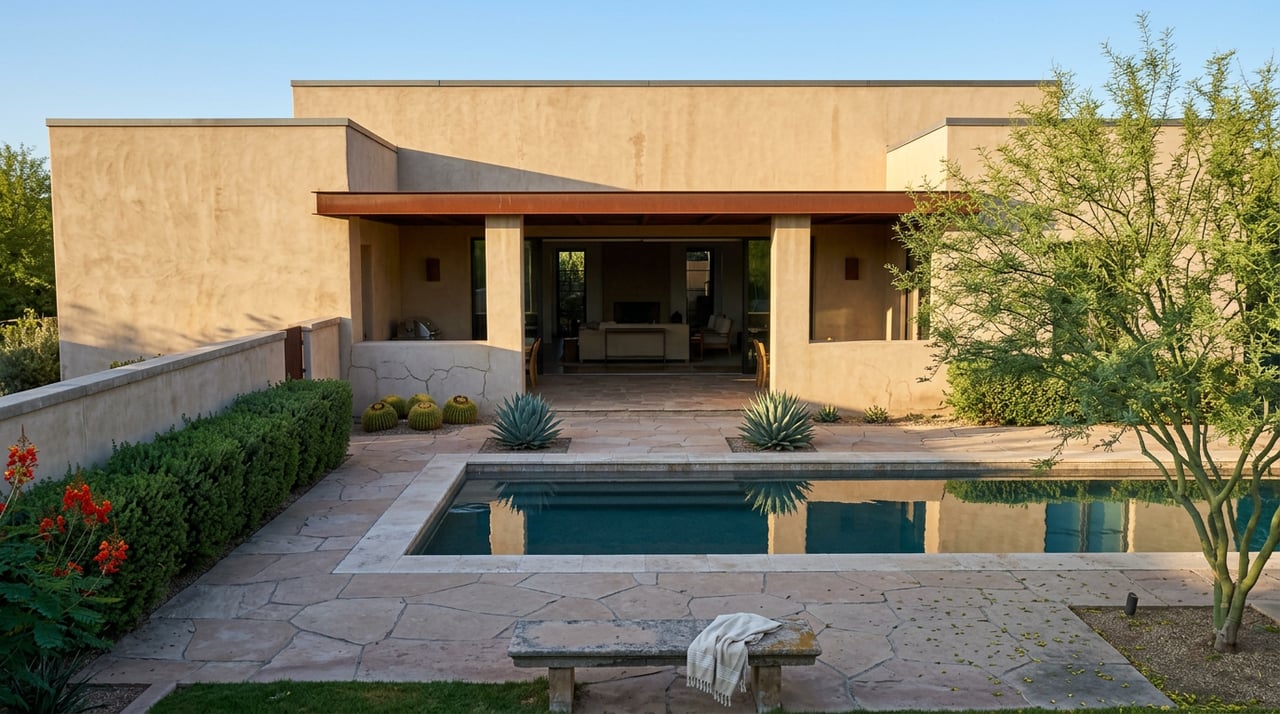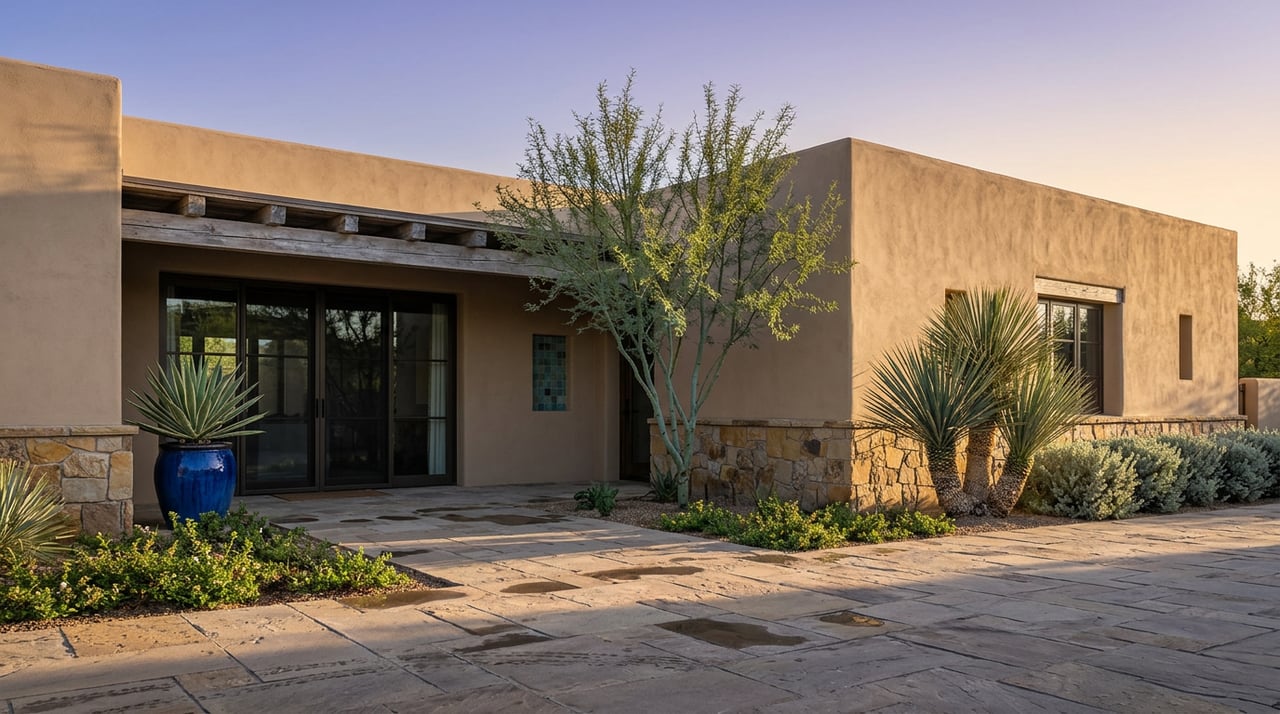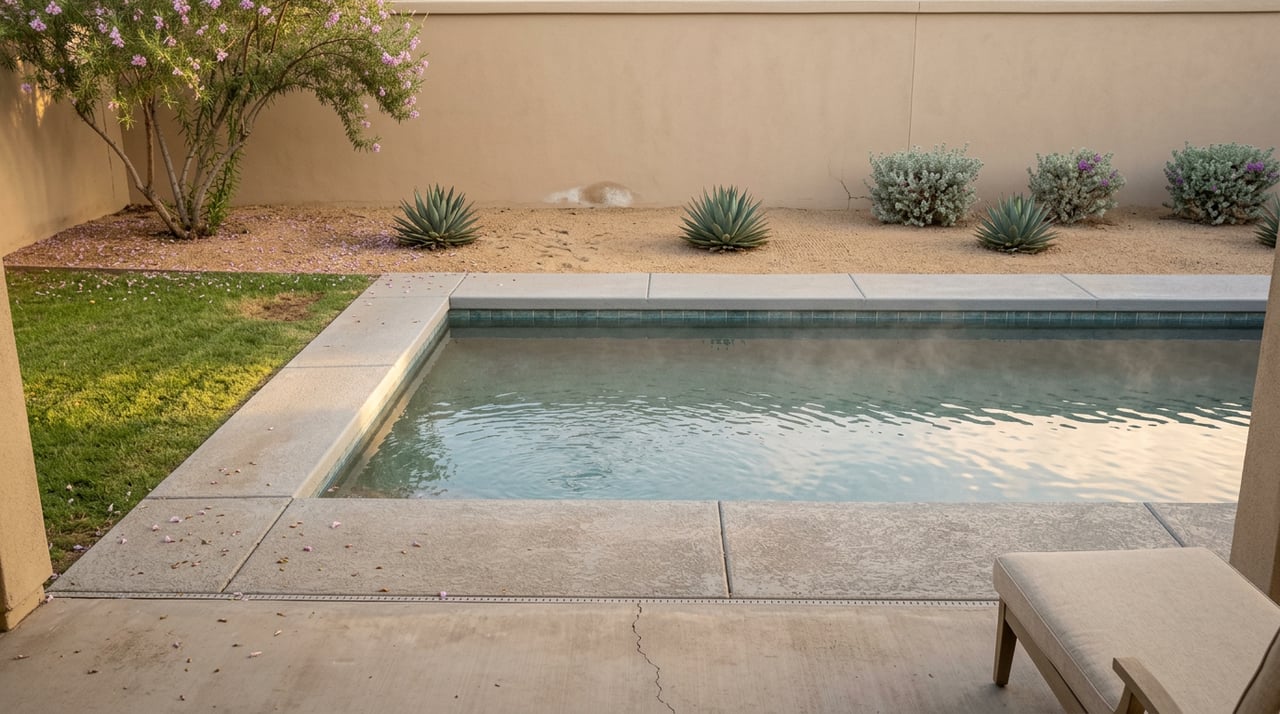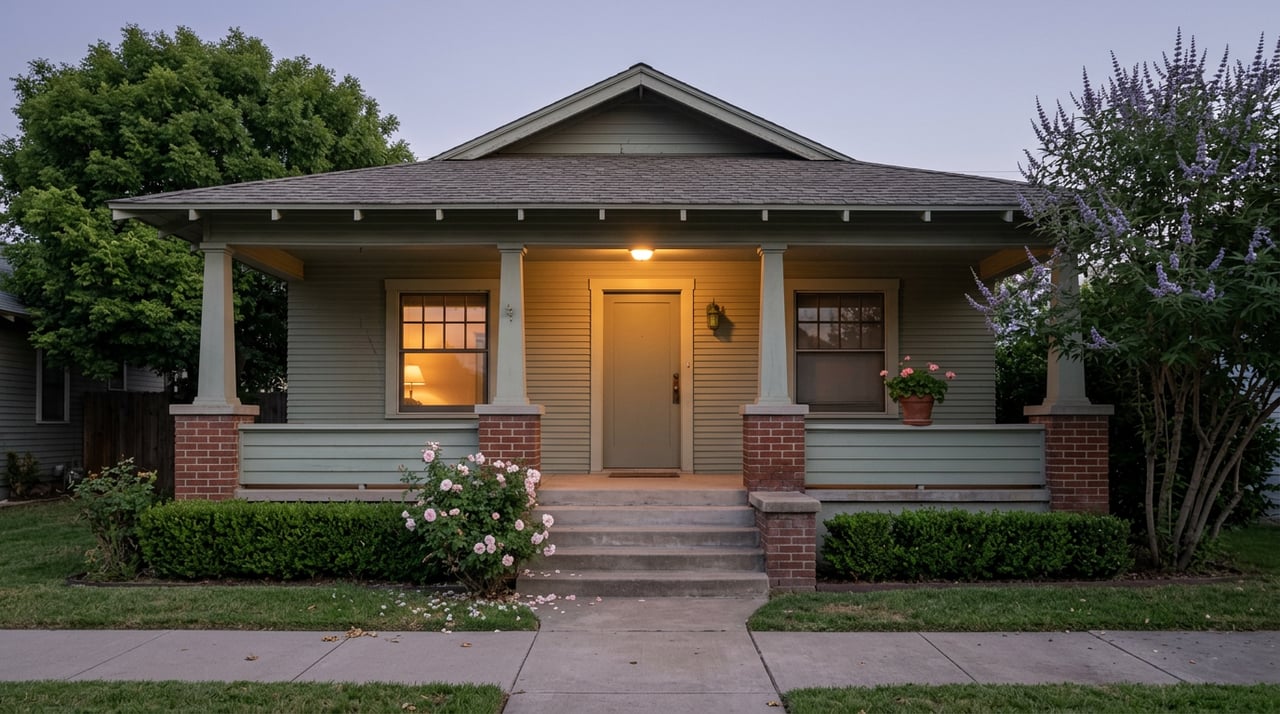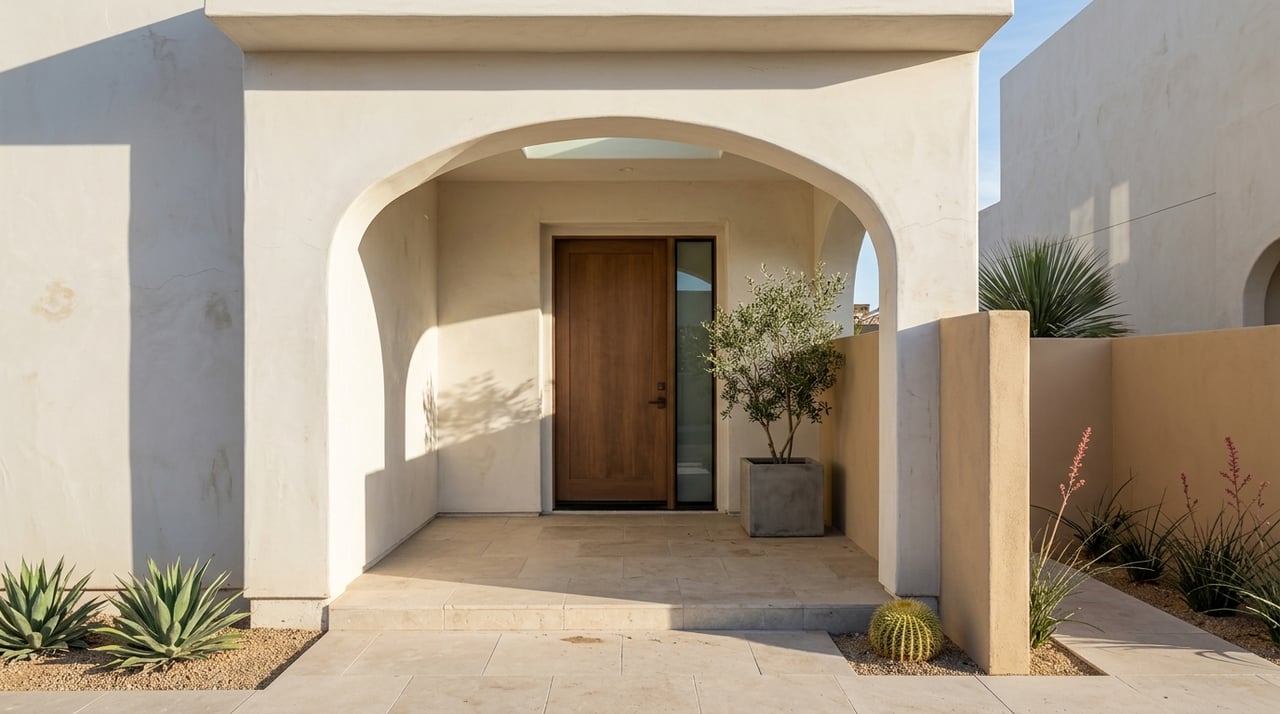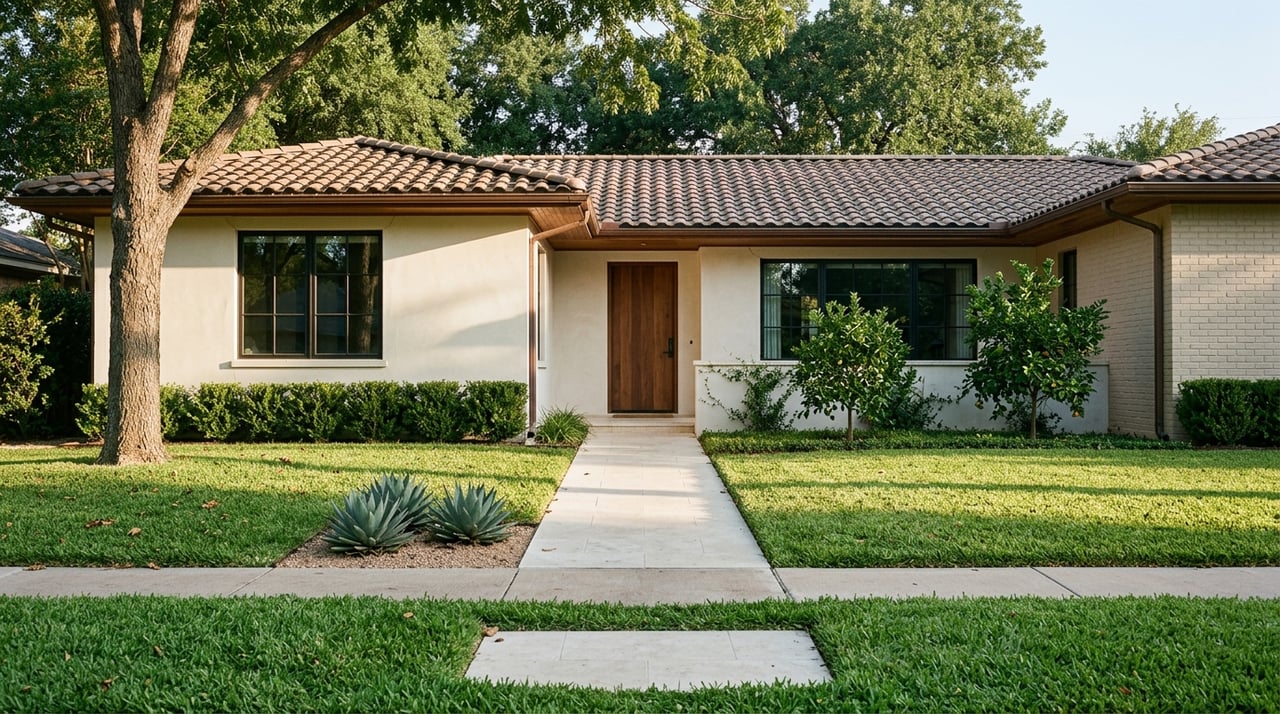
Looking for more elbow room without feeling cut off from the rest of Phoenix? That is one reason many buyers keep North Phoenix on their shortlist. If you want a better sense of why this part of the city stands out, this guide will walk you through the housing mix, outdoor access, connectivity, and tradeoffs that often shape the decision. Let’s dive in.
North Phoenix Offers More Than One Housing Type
A big reason buyers look to North Phoenix for more space is simple: it is not one uniform market. The area includes multiple planning villages and subareas with very different housing patterns.
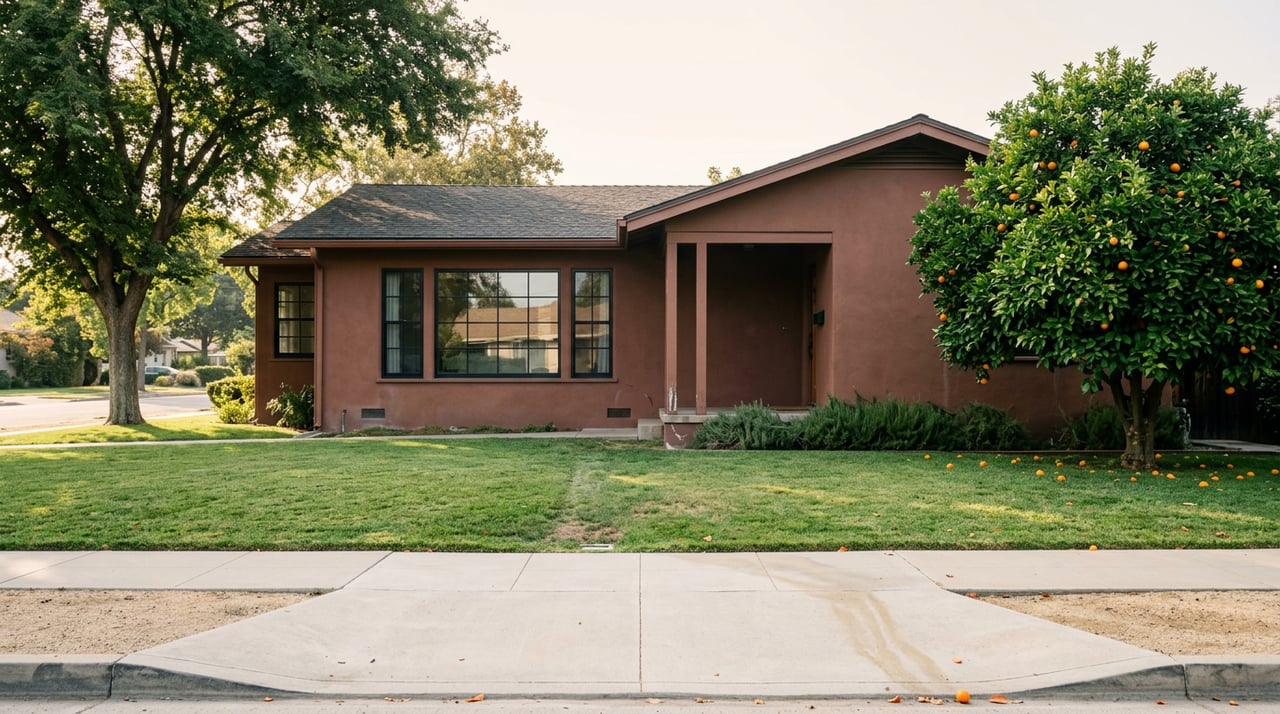
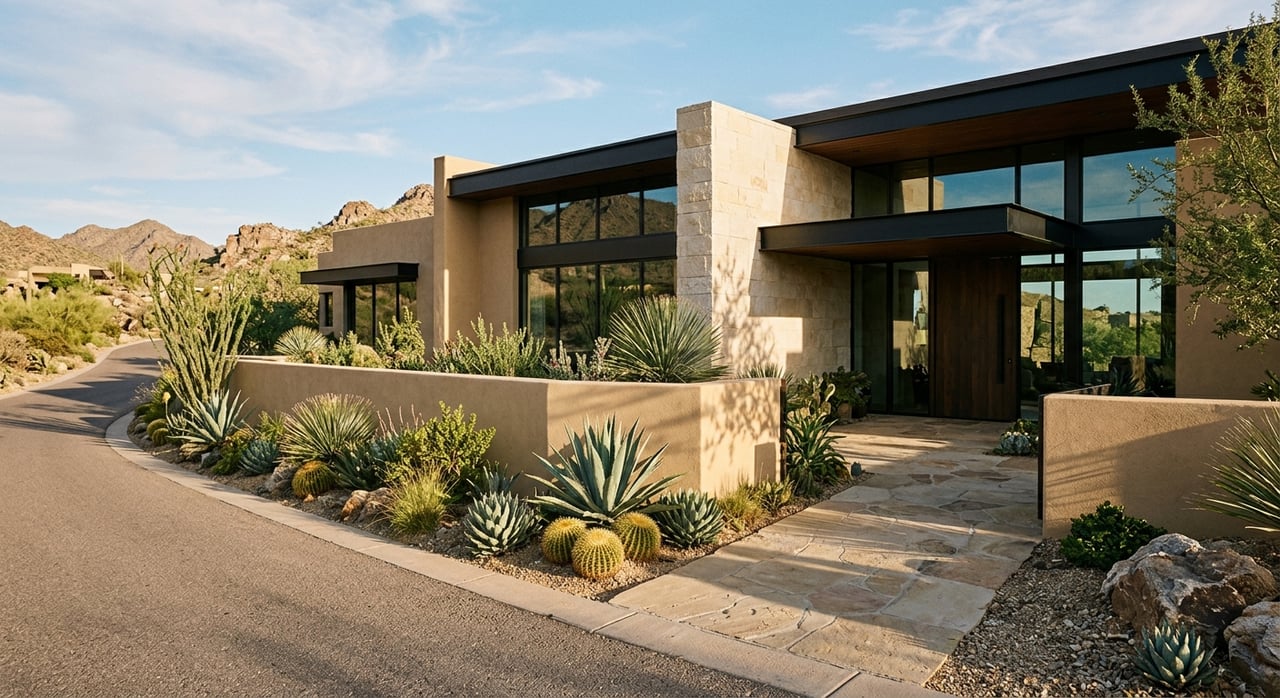
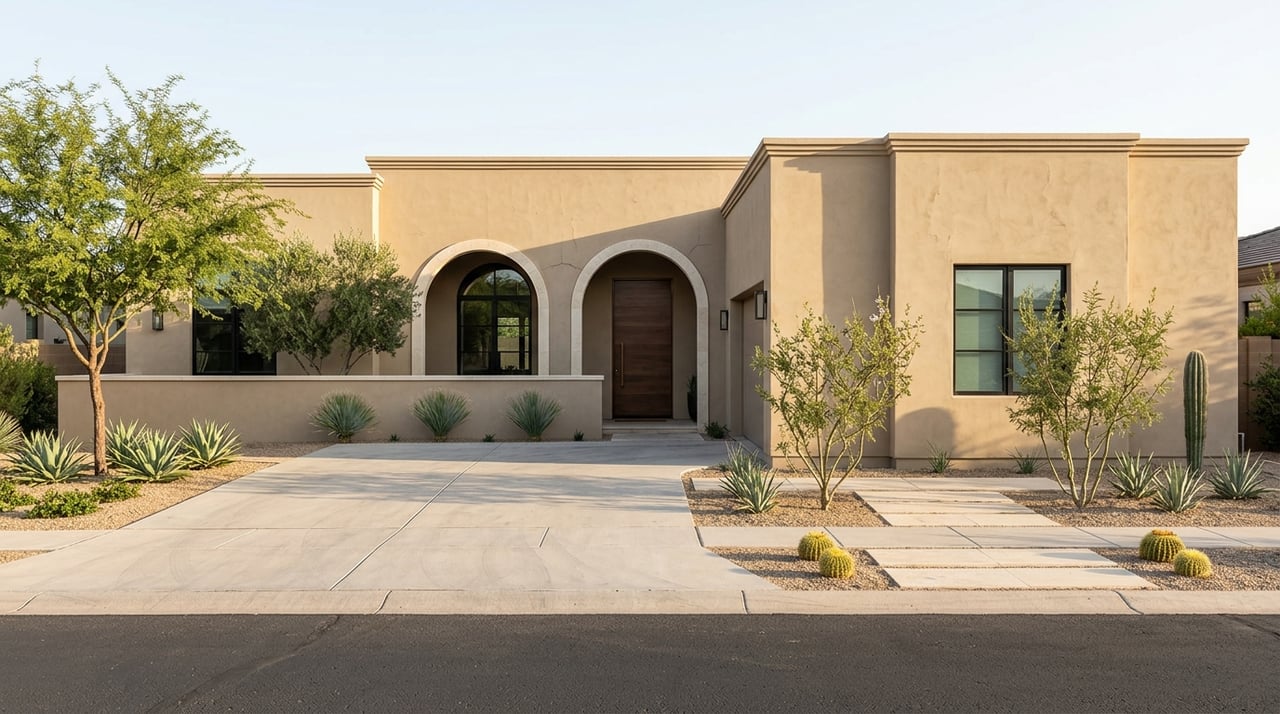
According to the City of Phoenix, North Mountain includes established corridor neighborhoods, foothill communities, and suburban areas. Desert View ranges from higher-density areas near Loop 101 to equestrian, low-density, and large-lot settings farther north. That range gives you more choices than you might find in a single neighborhood with one dominant home style.
For some buyers, that means a detached home with a larger lot. For others, it means a condo or a home closer to major corridors, with the option to move farther north for more land, more separation between homes, or desert-edge surroundings.
Space Means Different Things Here
When buyers say they want more space, they are not always talking about the same thing. In North Phoenix, space can mean a bigger lot, a lower-density setting, access to horse property, or simply more housing variety within the same broad area.
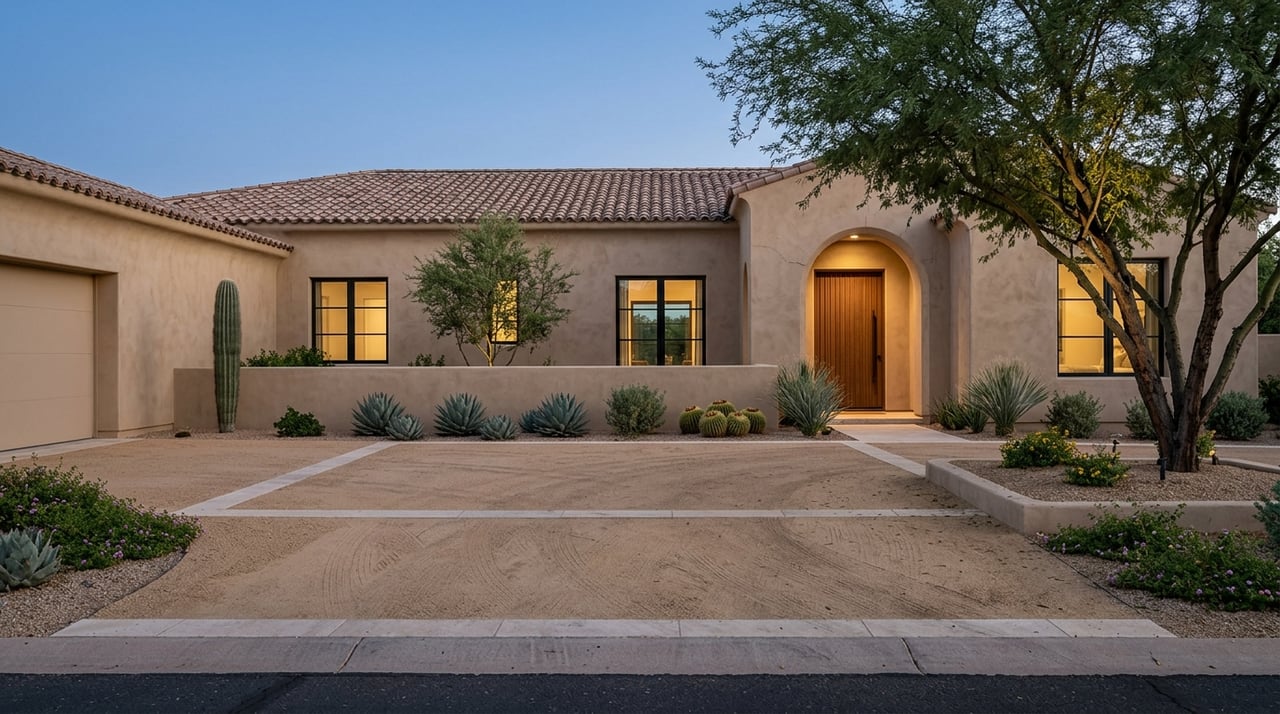
The City of Phoenix describes Desert View as including condos, master-planned communities, and large-lot single-family residences, along with rural land uses in some northern sections. That matters because it gives you room to define what “more space” actually means for your lifestyle and budget.
If you are comparing North Phoenix with more central areas, the appeal often comes down to flexibility. You may be able to choose between suburban subdivision living, foothill settings, or lower-density desert-oriented properties without leaving the city entirely.
Home Styles Span Older and Newer Options
Another part of the appeal is variety in home age and design. North Phoenix includes older postwar-era housing stock in some areas, along with newer infill and redevelopment.
A City of Phoenix historic inventory notes that Sunnyslope became part of Phoenix’s metropolitan corridor in 1959 and that subdivisions were established in north Phoenix through 1974. That signals a meaningful supply of older homes in parts of the area, which can appeal to buyers who want established streetscapes or homes with renovation potential.
At the same time, the city announced four new affordable single-family homes in Sunnyslope on May 30, 2026. That is a reminder that North Phoenix is still evolving, with new homes being added through infill and redevelopment rather than only large-scale greenfield growth.
Why Variety Matters to Buyers
Housing variety is not just a nice bonus. It can make your search more practical.
If your priorities include a yard, extra garage space, a home office, or separation from nearby homes, North Phoenix gives you more ways to search for those features. The local planning descriptions support a mix that includes established neighborhoods, suburban subdivisions, master-planned communities, and low-density horse property settings.
That does not mean every part of North Phoenix feels spacious in the same way. It means you can narrow your search by the type of space you value most instead of treating the whole area like one product.
Outdoor Access Adds Daily Lifestyle Value
For many buyers, more space is not only about the home itself. It is also about what surrounds it.
Phoenix says the city has more than 41,000 acres of desert parks and mountain preserves, plus more than 200 miles of trails. In North Phoenix, that outdoor access becomes a real part of day-to-day life rather than an occasional weekend benefit.
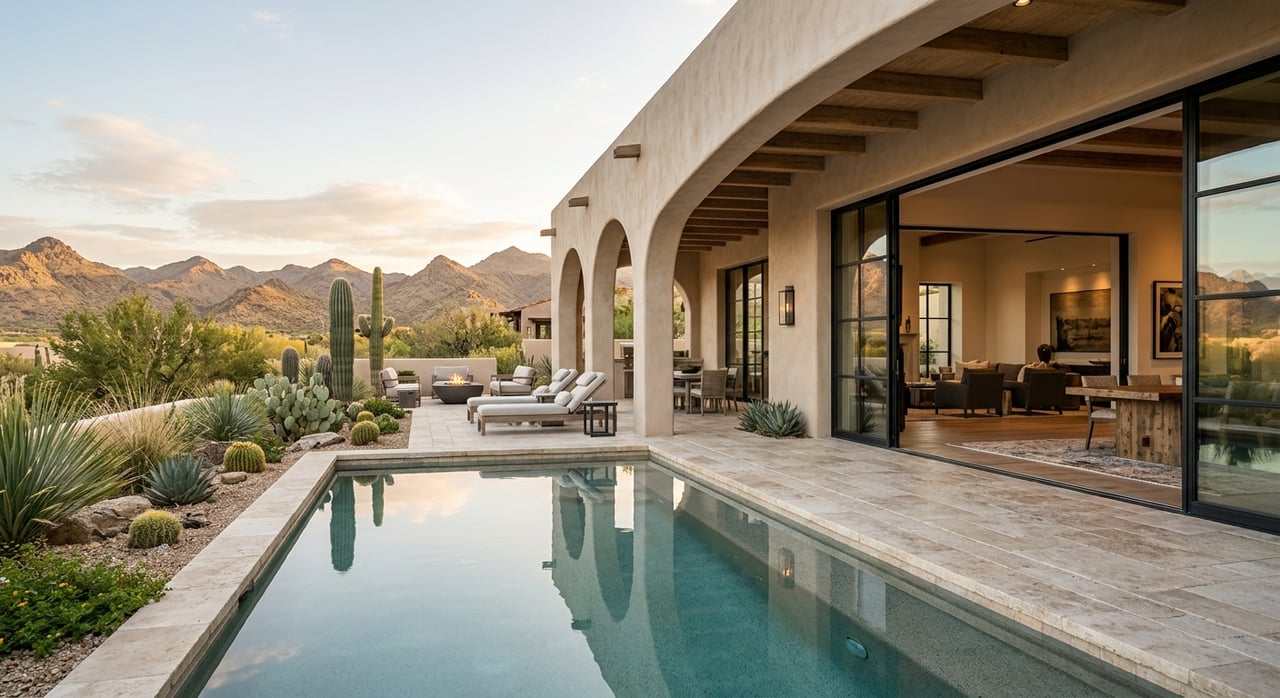
The Sonoran Preserve alone includes more than 9,600 acres, three trailheads, and 36 miles of trails. North Mountain Village also has direct access to the Phoenix Mountain Preserve system, and city materials place Sunnyslope at the base of North Mountain, North Mountain Park, and S Mountain.
If you enjoy hiking, trail running, mountain views, or desert scenery, this access can make a home feel bigger than its lot size alone would suggest. The surrounding landscape becomes part of your usable environment.
The Tradeoff: Heat Is Real
Outdoor access is a strong benefit, but it comes with an obvious Arizona reality. Heat is part of the equation.
The City of Phoenix notes that it uses a Trail Heat Safety Program, and the city says more than 200 hikers are rescued annually from its desert and mountain parks and preserves. That is a practical reminder that outdoor living in North Phoenix is seasonal, time-sensitive, and best approached with planning.
For buyers, this is less a dealbreaker and more a lifestyle consideration. You may gain access to open desert, trail systems, and mountain preserves, but you also need to think realistically about summer routines, morning activity windows, and how you use outdoor space throughout the year.
North Phoenix Still Connects to Key Corridors
More space often comes with a fear of being too far from work, services, or the rest of the metro. North Phoenix stands out because it can offer more room while staying tied to major employment areas and transportation routes.
The City of Phoenix major employment centers map identifies North I-17, Deer Valley, Desert Ridge and Kierland, Downtown Phoenix, Camelback Biltmore, Midtown, and Sky Harbor Airport as major employment centers in the region. The same city map shows major freeway connections, including I-17, Loop 101, Loop 202, SR-51, and I-10.
That broader planning map helps explain why some buyers see North Phoenix as a practical middle ground. You may get more lot options or lower-density surroundings while remaining connected to major job corridors across the Valley.
Desert Ridge Shows the Mixed-Use Appeal
Some buyers are especially drawn to areas where residential living and employment access are planned together. Desert Ridge is one example cited in the city’s planning materials.
The Desert Ridge specific plan describes the community as a mixed residential and employment area intended to reduce commuting distance, with village-center jobs integrated into the plan. That kind of setup can appeal to buyers who want a home base with practical access to work and daily needs, without giving up the broader North Phoenix lifestyle.
This is one reason North Phoenix does not fit a simple stereotype. It is not just about being farther out. In some subareas, it is also about blending residential choice with proximity to established economic corridors.
What Buyers Should Keep in Mind
If you are considering North Phoenix for more space, it helps to be specific about your goals before you start touring homes. The area offers real variety, but that also means your search can get broad quickly.
Start by asking yourself what kind of space matters most:
- A larger lot
- A detached home
- Lower-density surroundings
- Horse property potential
- Trail and preserve access
- Easier access to major corridors
- A mix of older homes and newer infill options
Once you know which of those matter most, North Phoenix becomes easier to evaluate by subarea. That is usually the smartest way to approach this part of the market.
North Phoenix Is a Collection of Subareas
The best way to understand North Phoenix is to stop thinking of it as one single neighborhood. City planning materials show a patchwork of established neighborhoods, foothill communities, suburban areas, master-planned sections, and desert-edge low-density settings.
That mix is exactly why some buyers look here when they want more space. You are not choosing one rigid housing type. You are choosing from a broader set of living environments that can support different priorities, from lot size and home style to trail access and commute patterns.
If you want a candid read on which North Phoenix areas may fit your goals, Laura Lee Cahal can help you compare options and make a smart, clear-eyed plan.
FAQs
What kinds of homes can buyers find in North Phoenix?
- Buyers can find a mix of established neighborhoods, suburban subdivisions, foothill homes, condos near major corridors, master-planned communities, and lower-density large-lot or horse property settings, based on City of Phoenix planning descriptions.
Why do some buyers choose North Phoenix for more space?
- Many buyers look to North Phoenix because it offers a wider housing mix, including detached homes, large-lot options, and lower-density areas, while still staying connected to major Phoenix job corridors.
Is North Phoenix only attractive for outdoor recreation?
- No. Outdoor access is a major benefit, but city planning materials also show that North Phoenix is tied to major employment centers and freeway corridors, which adds practical daily convenience.
Are there both older and newer homes in North Phoenix?
- Yes. City records point to older housing stock in areas like Sunnyslope, while newer homes are also being added through infill and redevelopment.
What is the biggest tradeoff buyers should consider in North Phoenix?
- A common tradeoff is balancing more space and outdoor access with heat, drive patterns, and the fact that density can vary a lot from one subarea to another.