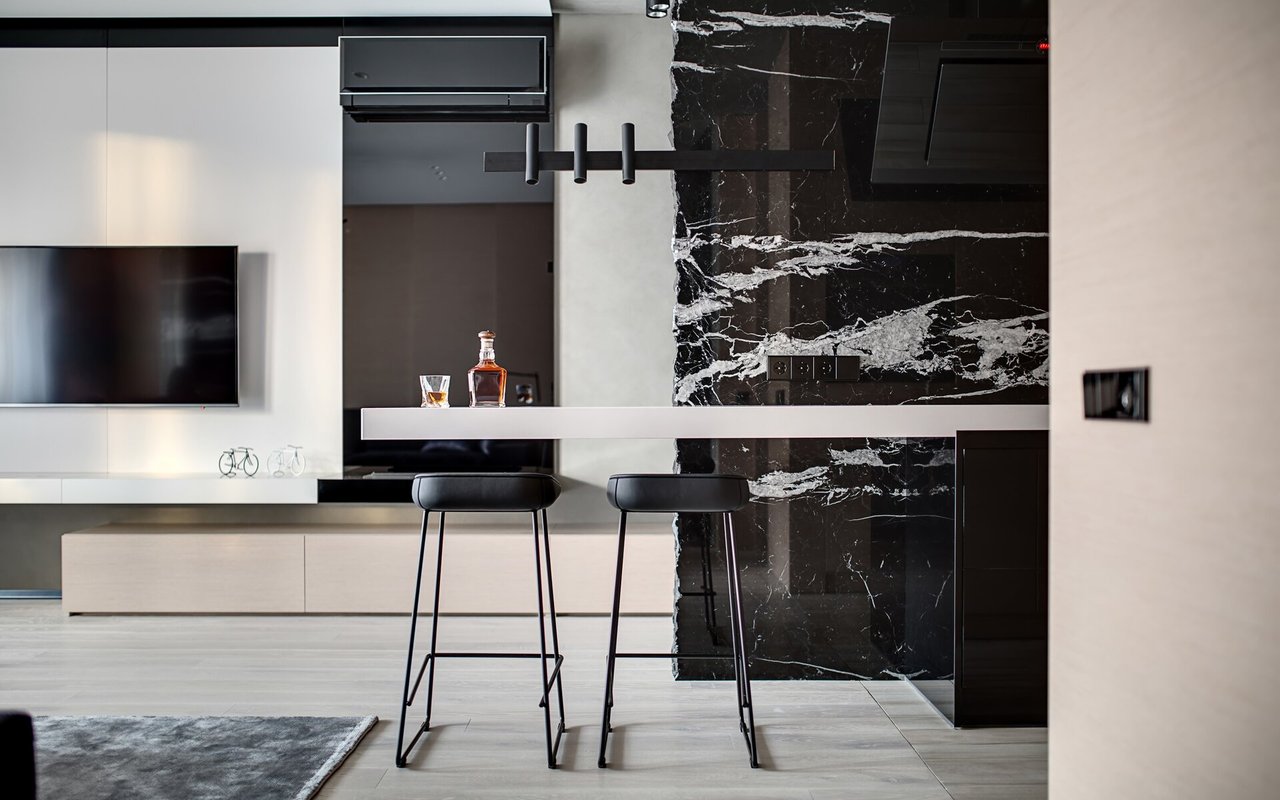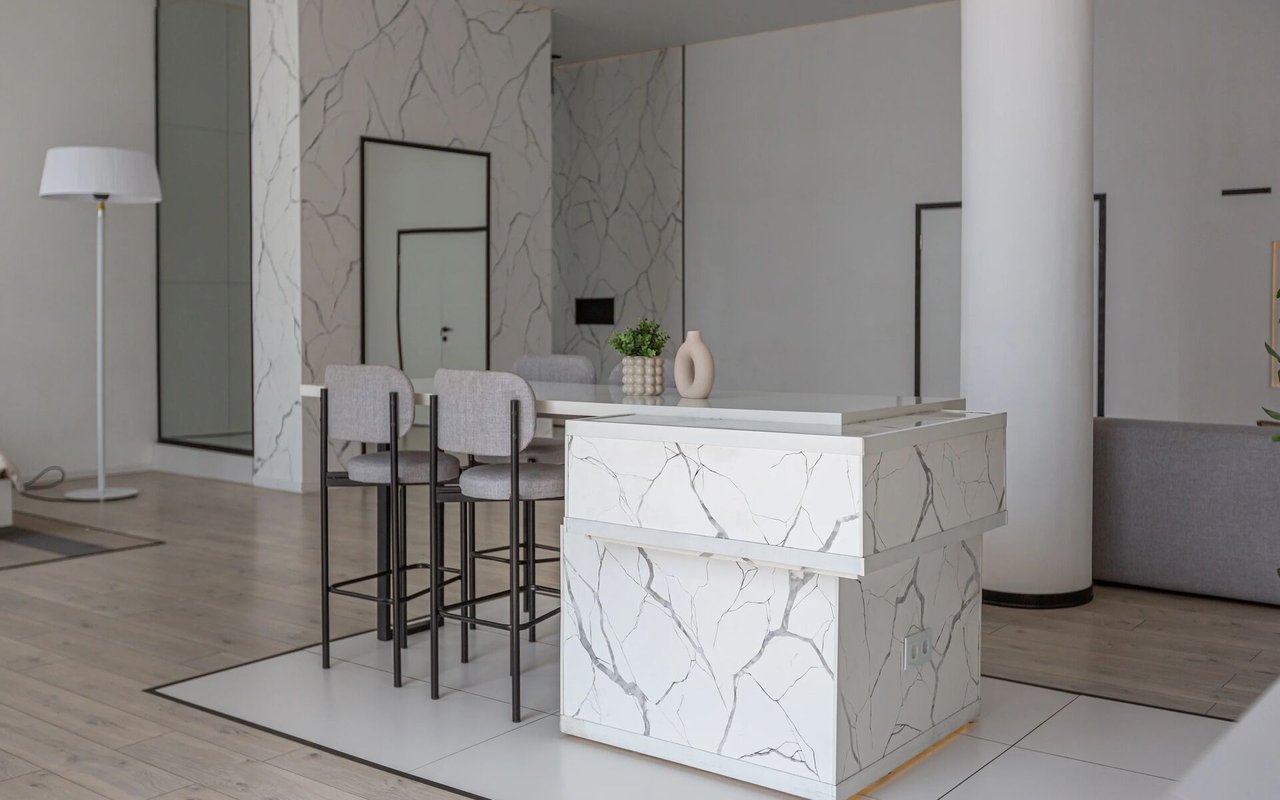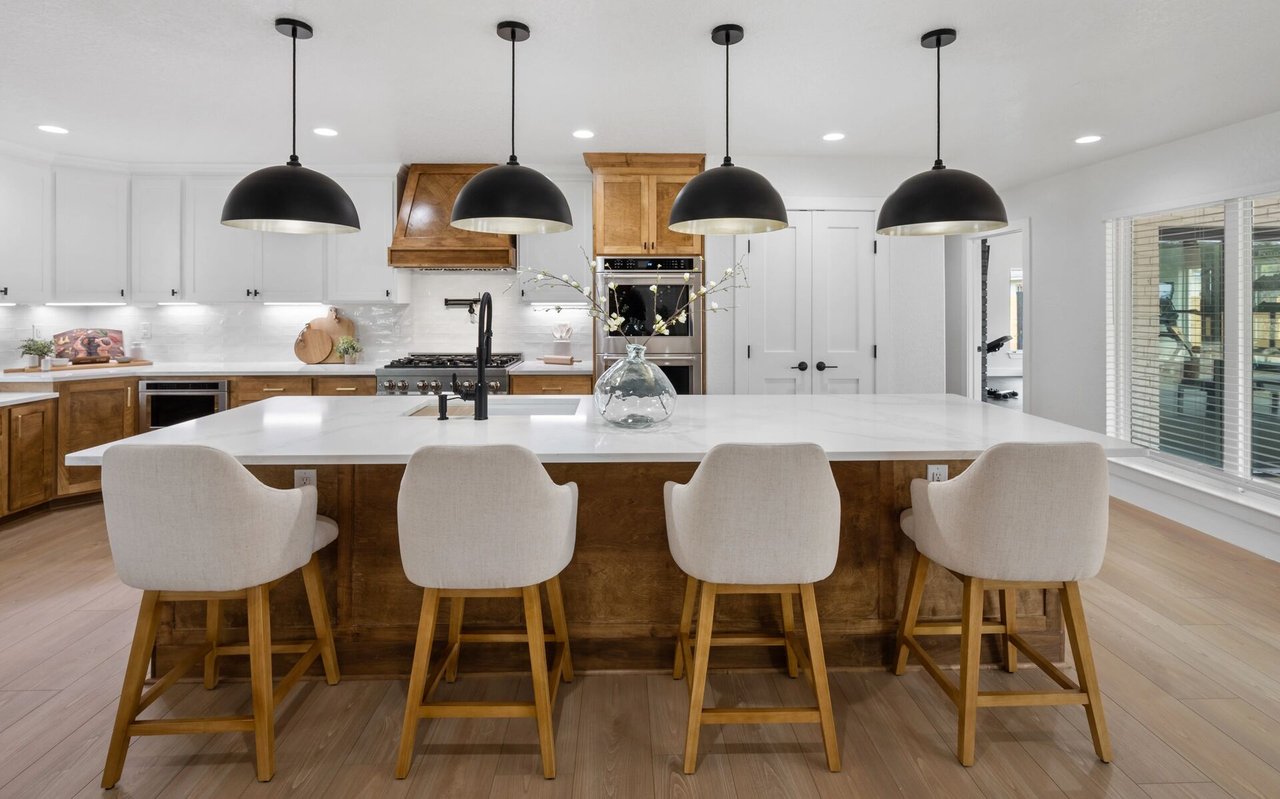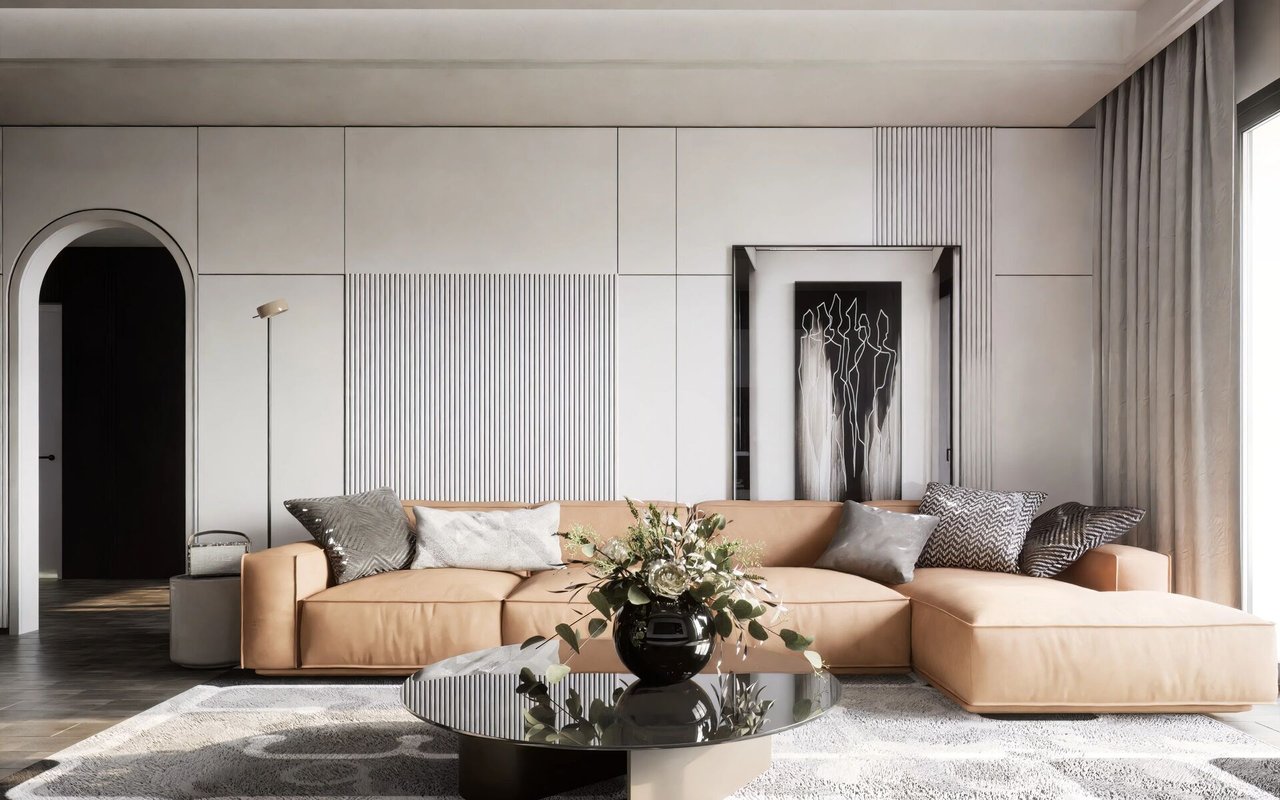
If you are selling in Paradise Valley, generic pre-listing advice can cost you time and money. This is not a tract-home market, and buyers here are not judging your home against standard suburban expectations. They are comparing it to a low-density, estate-oriented setting where land, privacy, outdoor living, and overall presentation carry real weight. The good news is that you do not need a full reinvention to compete well. You need a focused, design-led plan that improves visible condition, sharpens first impressions, and supports a strong market debut. Let’s dive in.
Why Paradise Valley Needs A Different Prep Plan
Paradise Valley is primarily a single-family residential town with a long-standing large-lot pattern, and much of the town is zoned with a one-acre minimum. The town’s planning framework emphasizes open space, mountain views, semi-rural character, dark skies, and tranquility. That means buyers often expect a home to feel calm, private, and well-composed from the street all the way through the backyard.
That backdrop matters when you are preparing to sell. A home that might feel impressive in another market can still feel underprepared in Paradise Valley if the approach, grounds, or main living spaces feel tired. In this setting, polish and restraint usually outperform flashy over-customization.
Recent market snapshots also reinforce the luxury position of Paradise Valley. Reported median values and prices vary by source, but all place the town firmly in the ultra-premium segment, with homes often taking close to three months to sell on average. In a market like that, presentation is not a side issue. It is part of pricing power.
Start With Visible Condition
The strongest pre-listing moves are often the simplest ones. Recent remodeling data shows sellers are commonly advised to declutter, deep clean, improve curb appeal, paint, and address roofing or other visible maintenance issues before listing.
That aligns well with what works in Paradise Valley. Buyers at this price point may accept a home with room for future personalization, but they are generally less willing to accept signs of neglect. If your home feels clean, maintained, and move-in ready, you give buyers fewer reasons to discount it.
A smart first pass usually includes:
- Deep cleaning the entire home
- Removing clutter and excess furniture
- Touch-up painting or full repainting where needed
- Repairing obvious deferred maintenance
- Refreshing lighting, hardware, and window treatments
- Addressing flooring wear or surface damage
One useful rule is this: if a buyer can spot it in the first few minutes, it belongs on your prep list.
Make The Arrival Feel Intentional
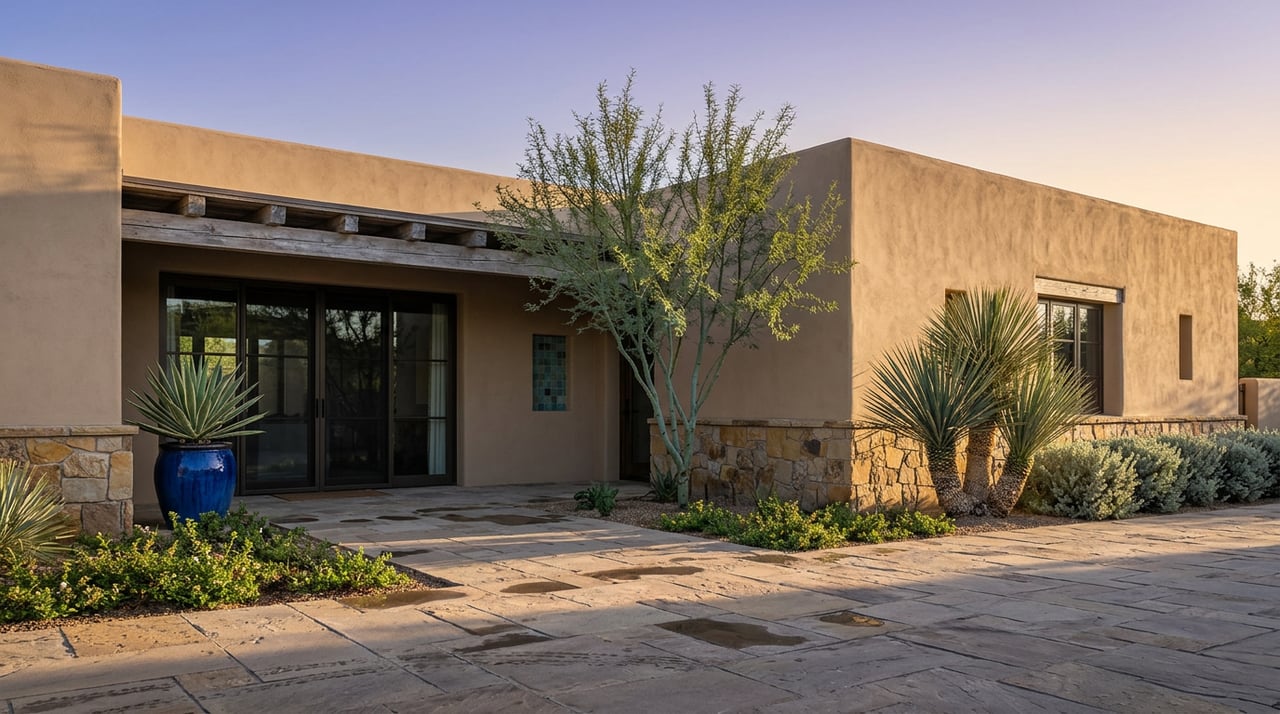
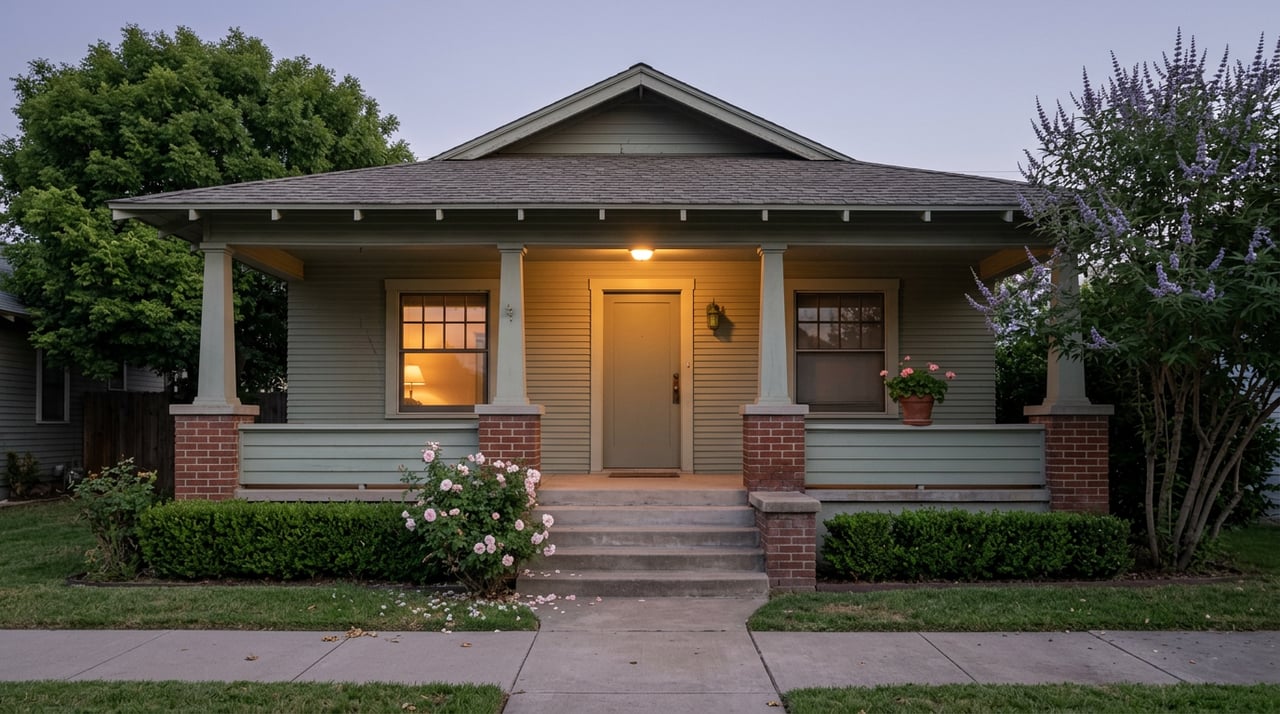
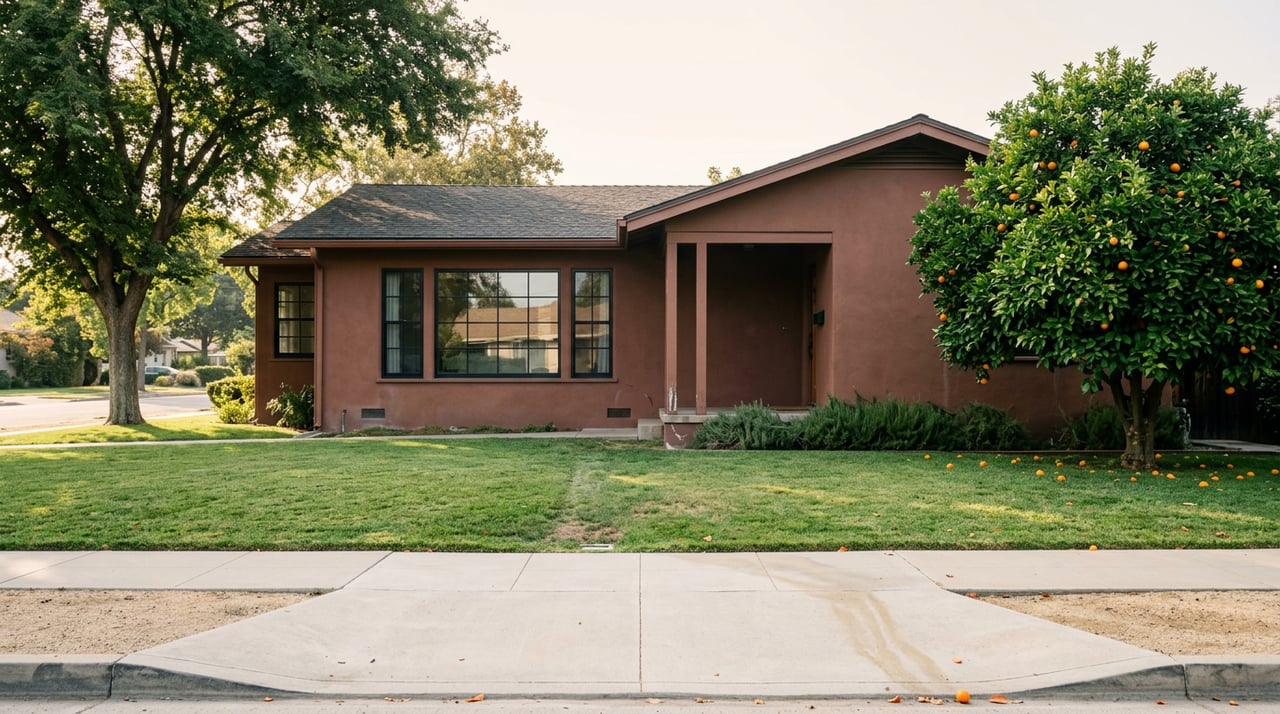
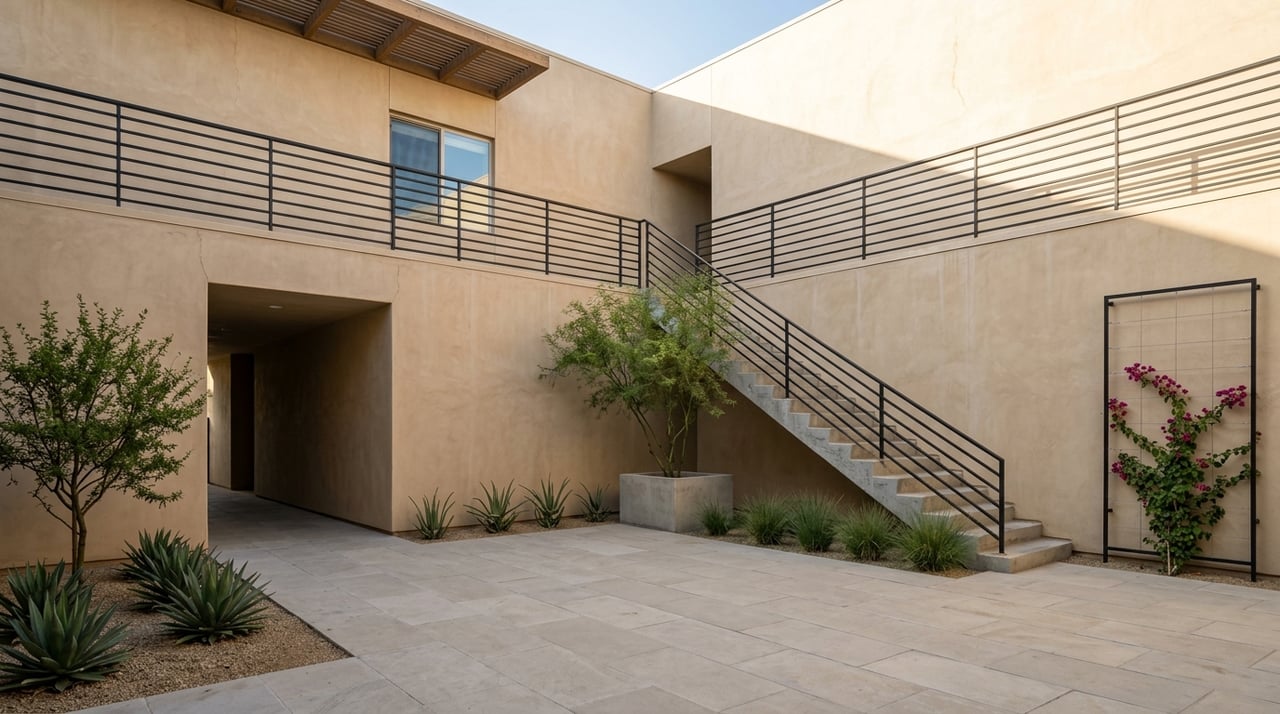
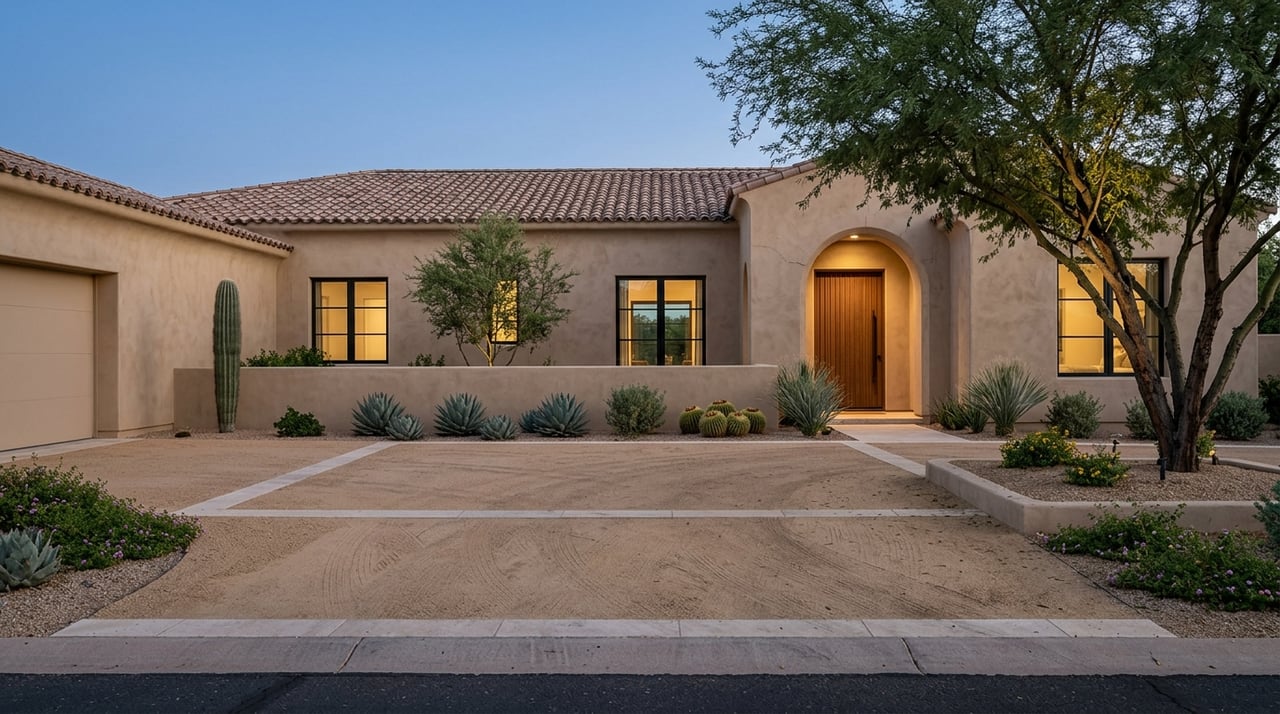
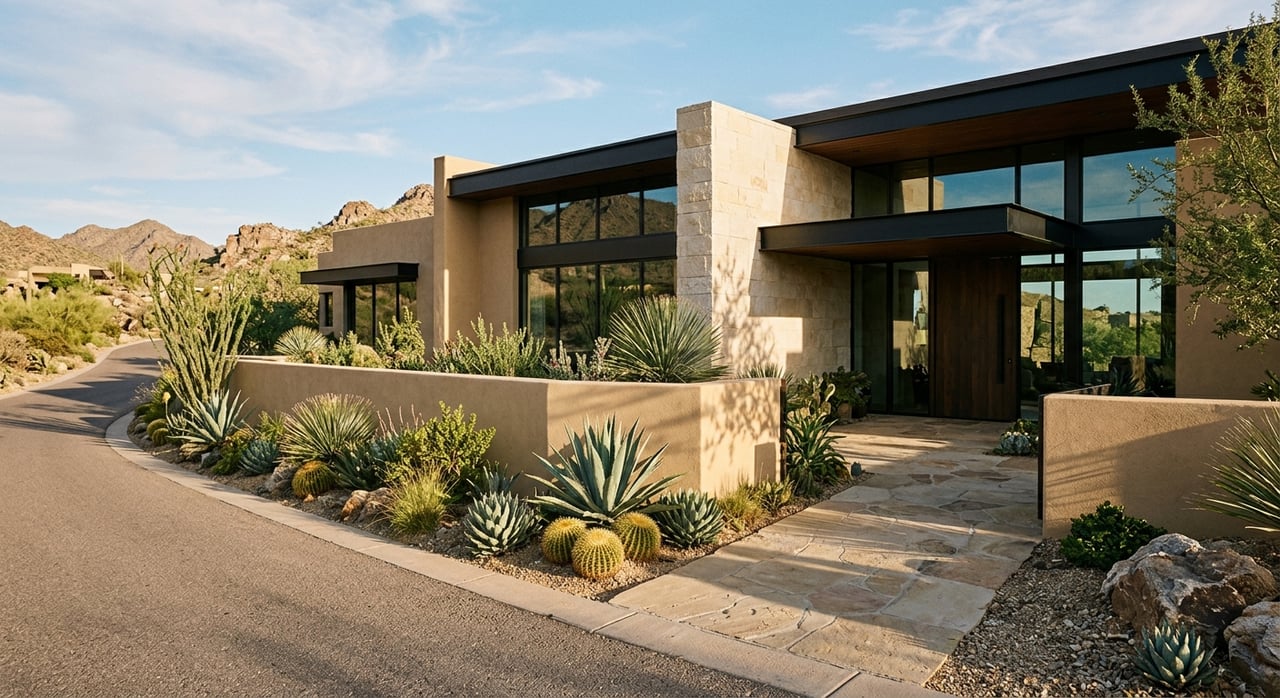
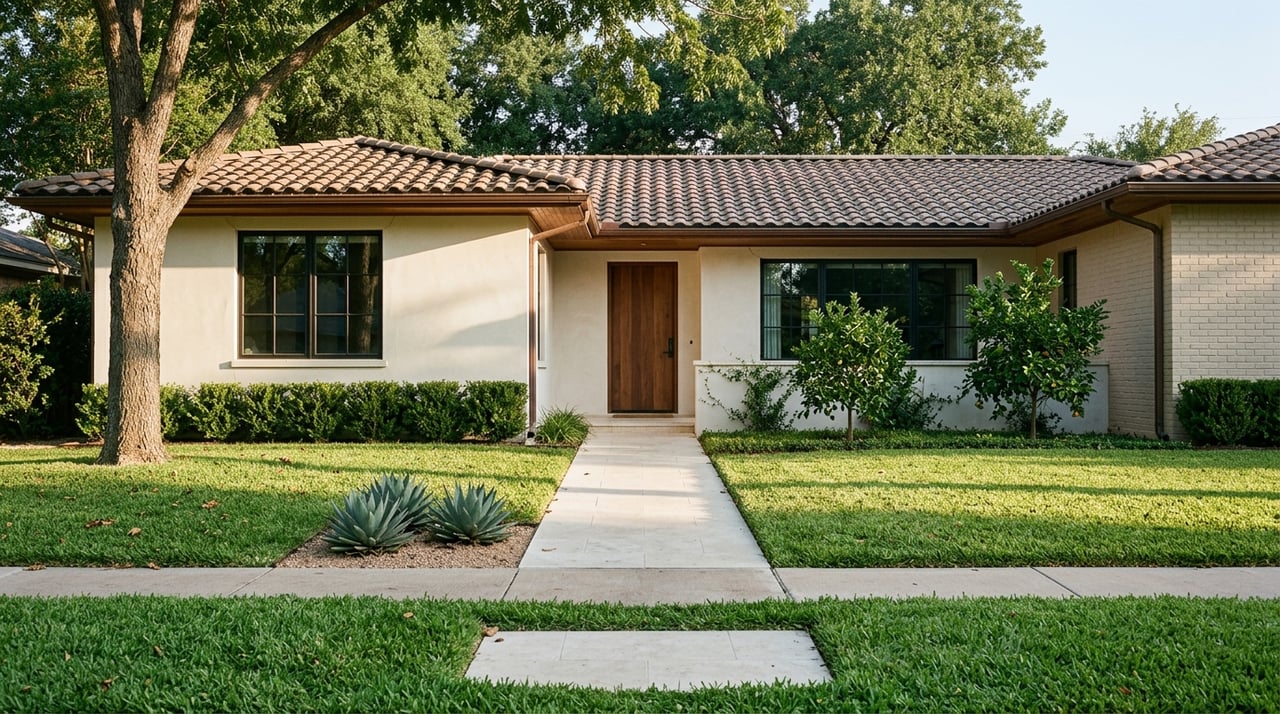
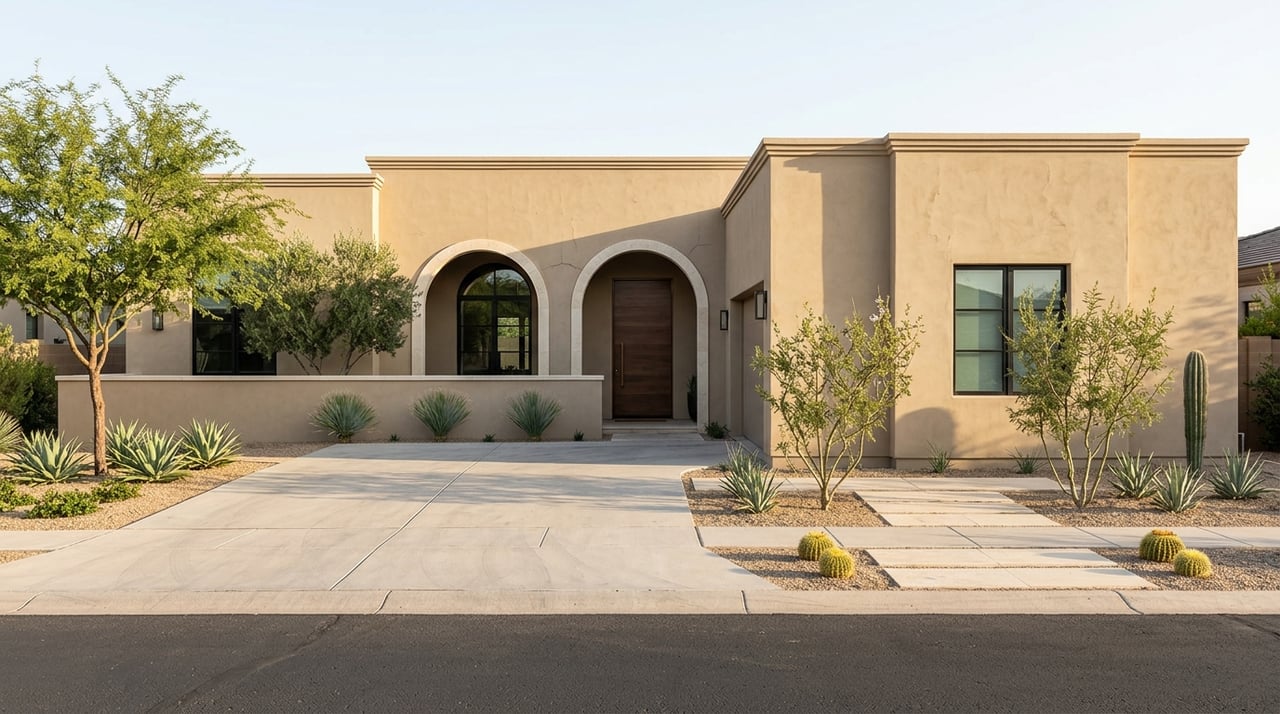
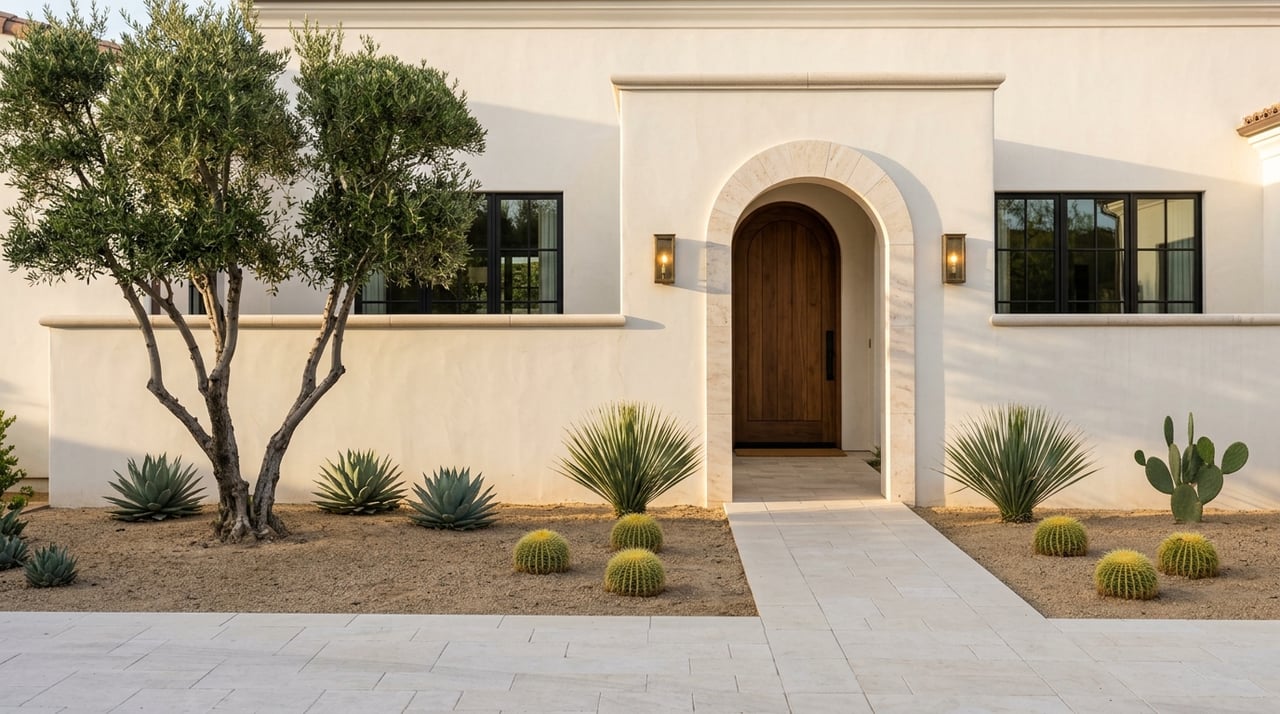
In Paradise Valley, curb appeal is not just about pretty landscaping. It is about whether the entire arrival experience feels cared for, proportional, and in sync with the property.
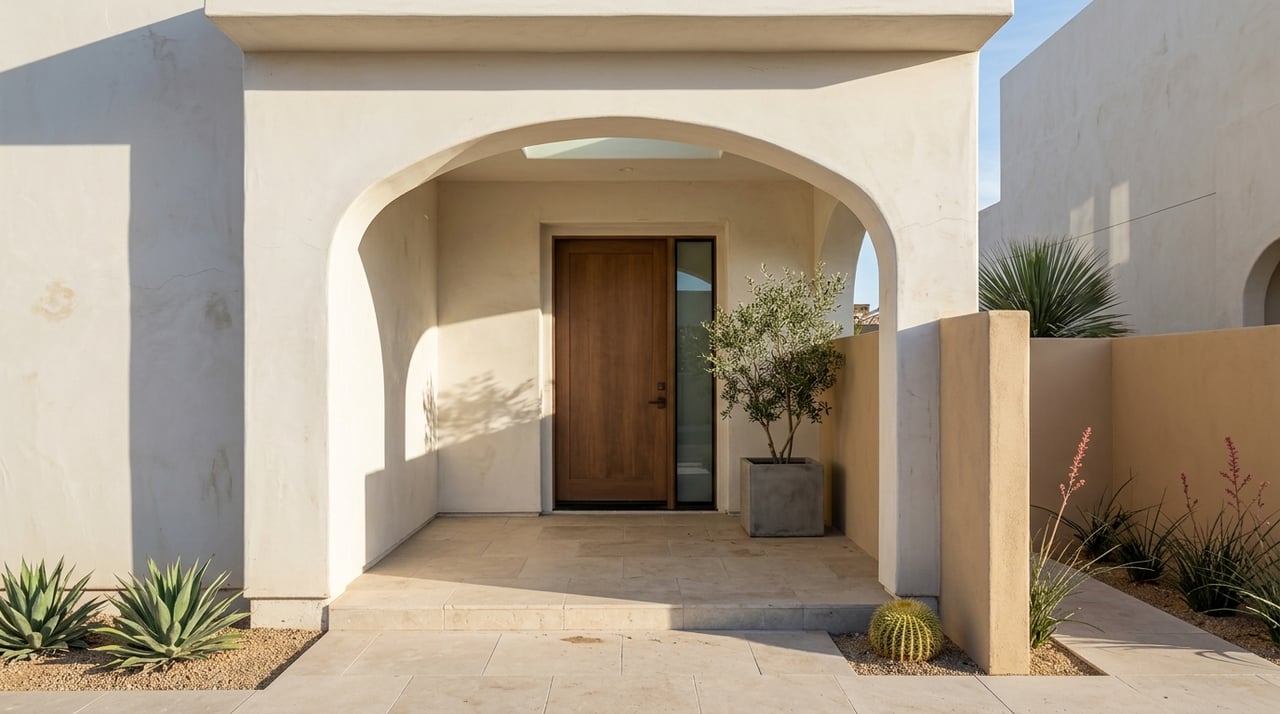
That starts at the street and continues through the drive, entry walk, front door, and lighting. Buyers are already evaluating privacy, lot presence, and maintenance before they ever step inside. A weak first impression can make the rest of the showing work harder than it should.
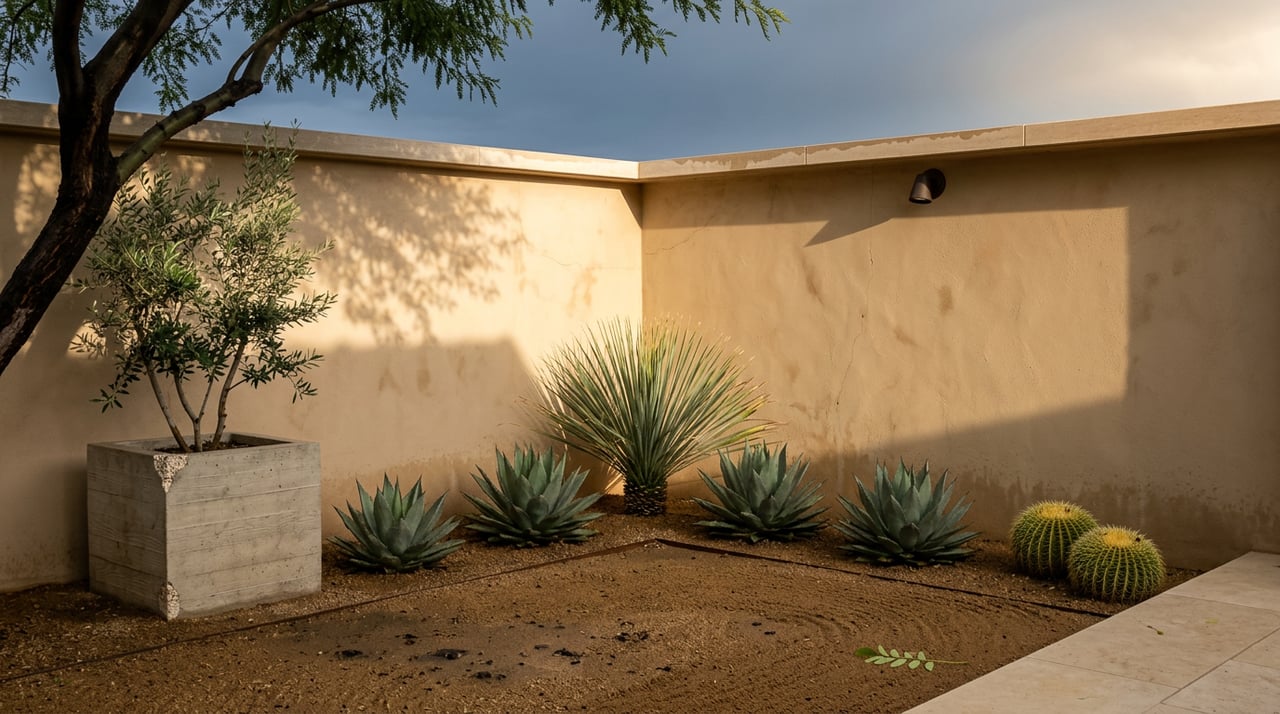
Landscape condition matters here for another reason. The town requires landscaping to be maintained in a healthy, neat, clean, and weed-free condition, and changes to compliant landscaping may require advance approval. If your front approach looks uneven, overgrown, or under-maintained, it is worth correcting early.
Focus on practical improvements such as:
- Pruning and cleaning up plant material
- Replacing dead or stressed plantings
- Cleaning hardscape and driveway surfaces
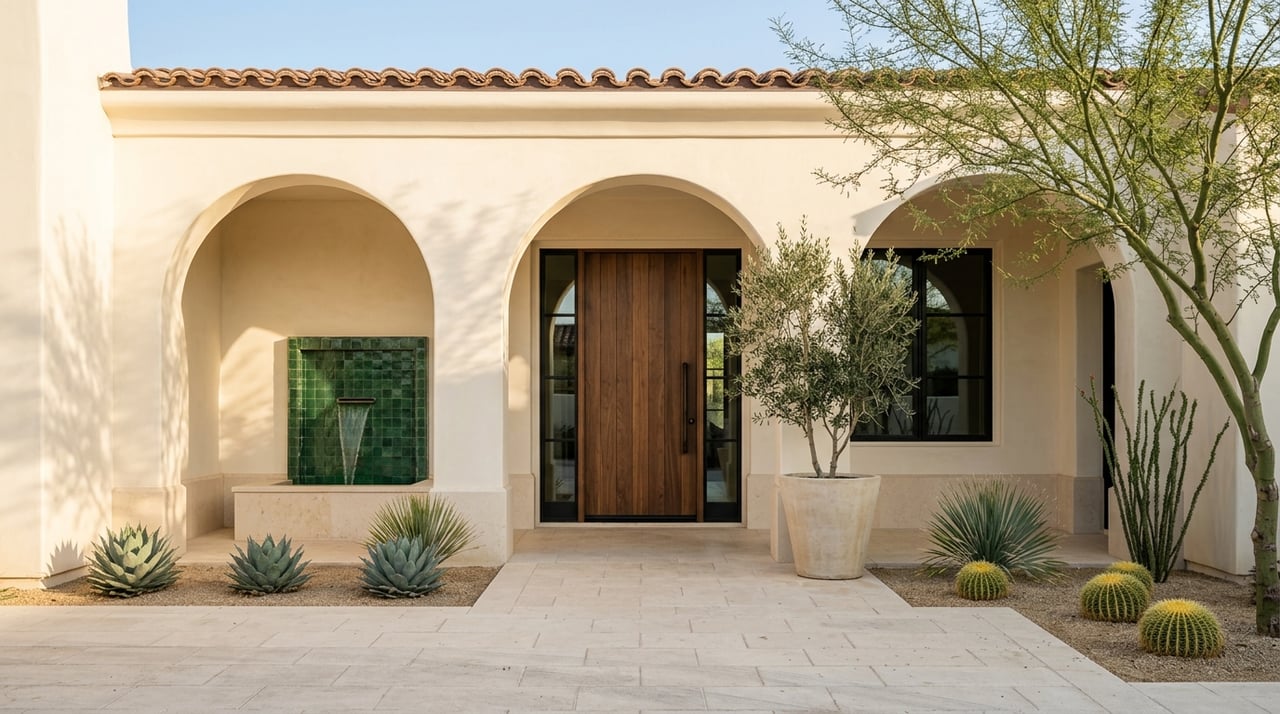
- Making sure the front door and entry hardware look crisp
- Checking exterior lighting for consistency and function
- Simplifying decorative elements that distract from the architecture
A new front door can also be a high-visibility upgrade. Remodeling data shows especially strong cost recovery for front door replacements, which supports the idea that small visual improvements can carry real value.
Stage The Rooms Buyers Notice First
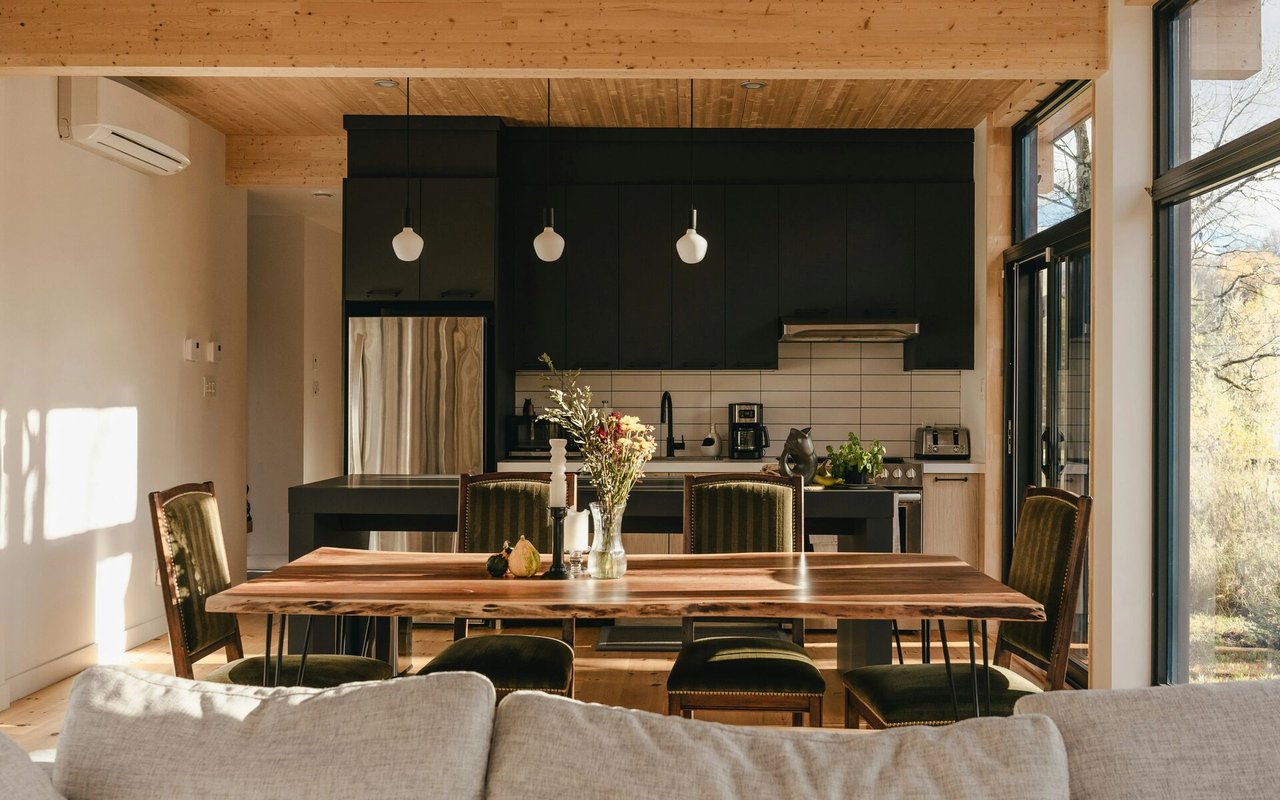
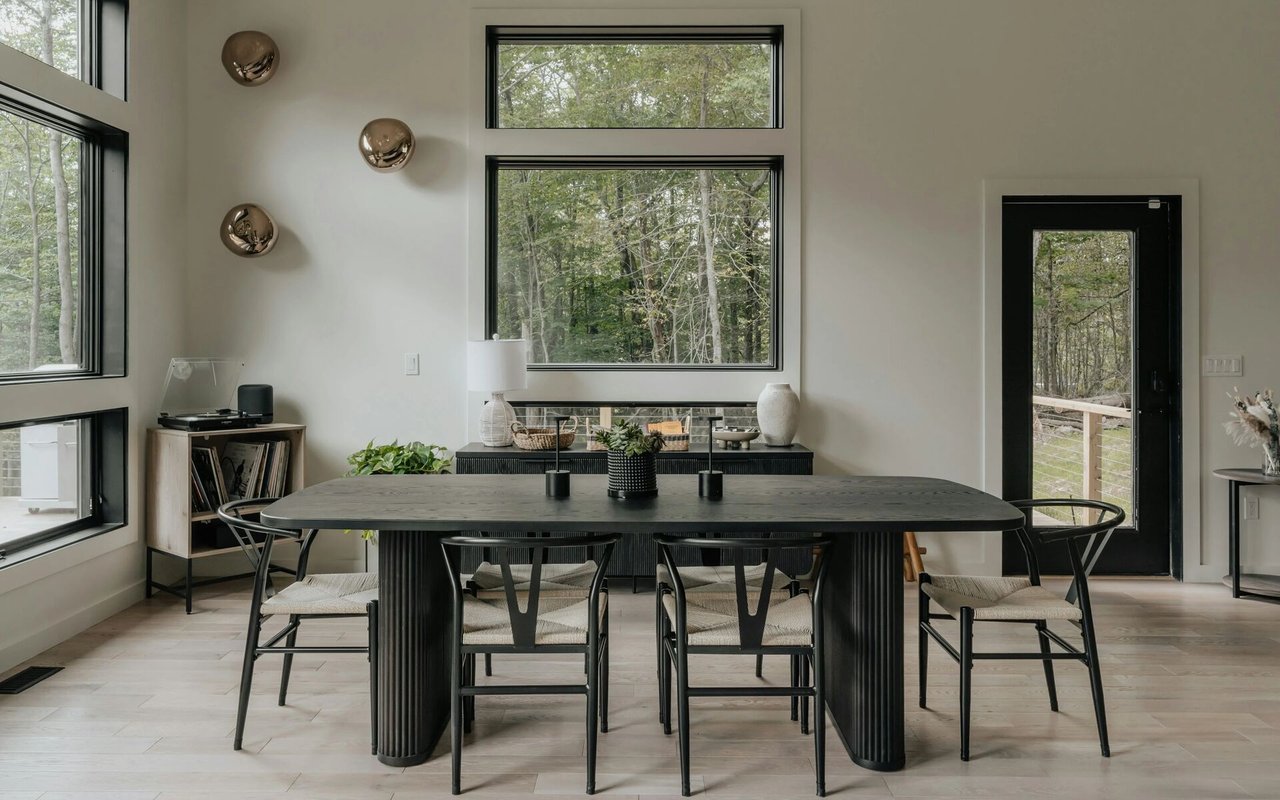
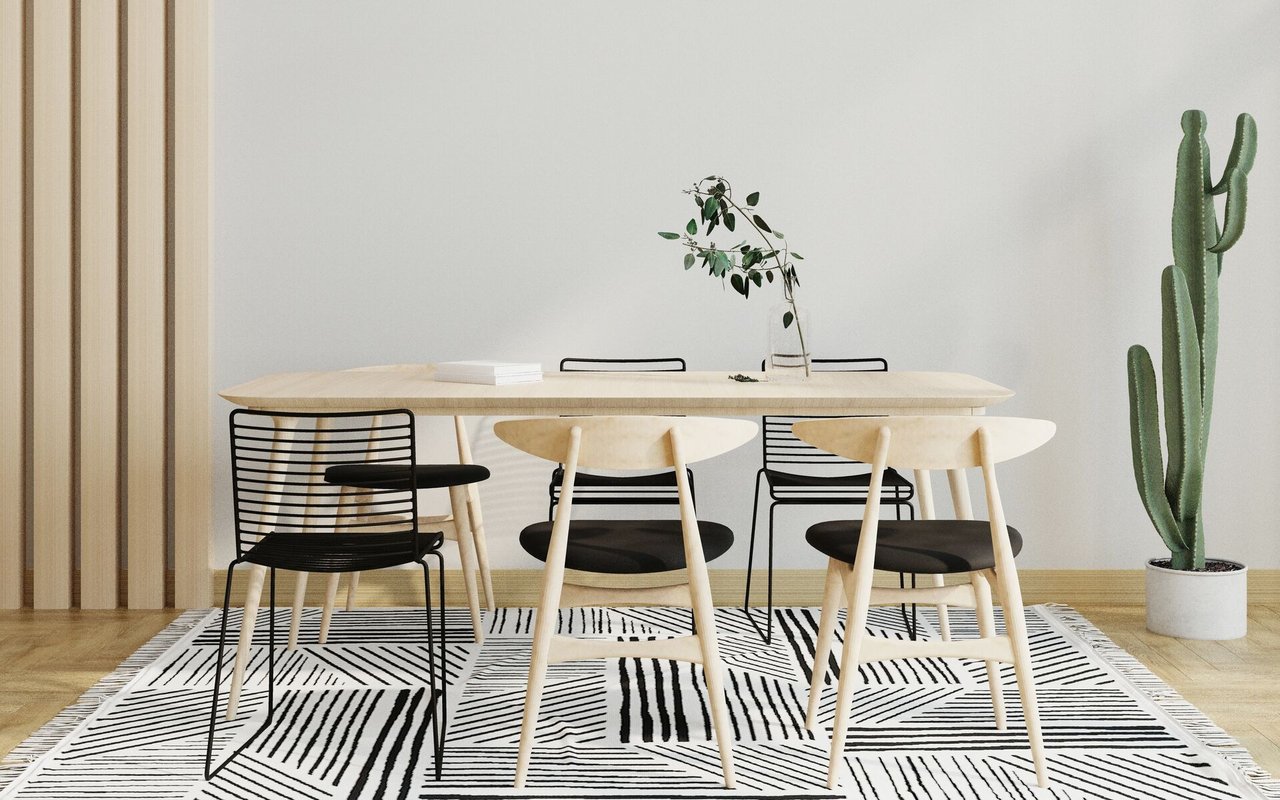
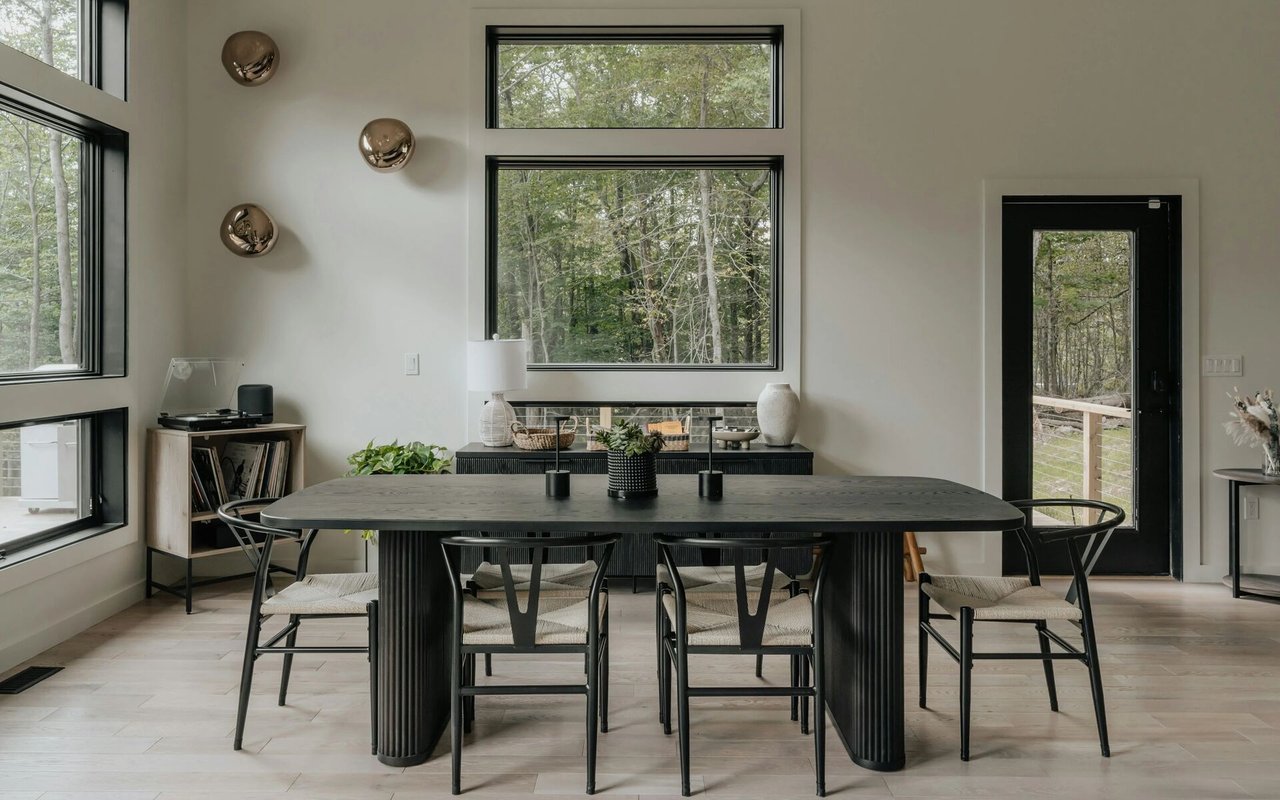
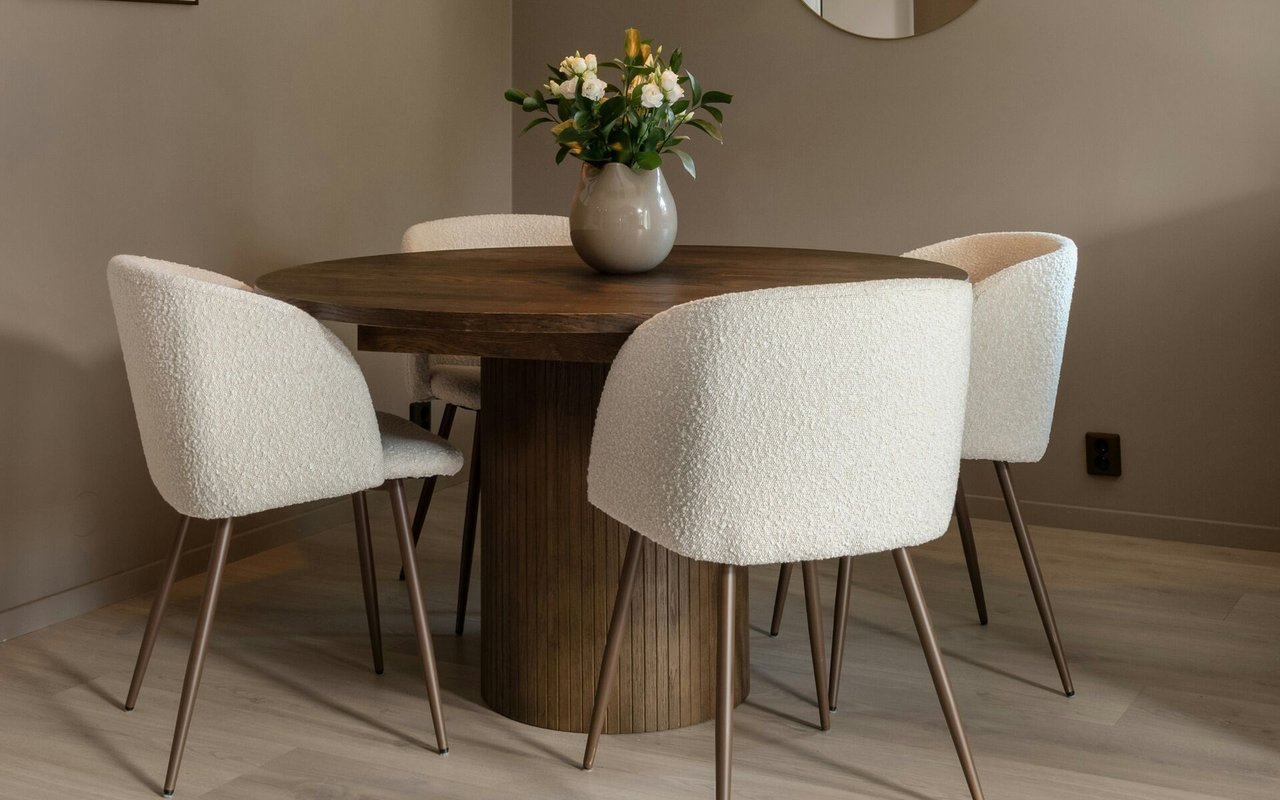
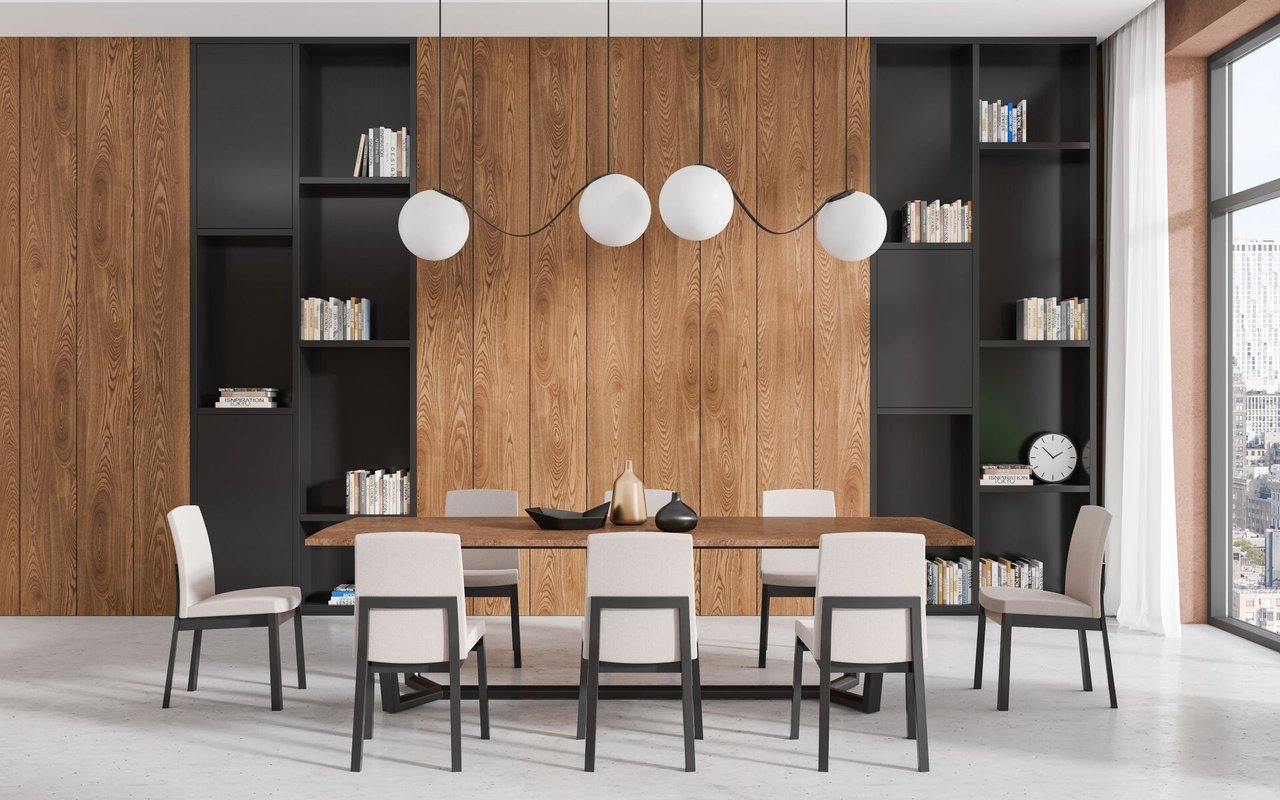
Staging works best when it helps buyers picture an easier, more elevated life in the home. Recent staging data found that it makes visualization easier for buyers, and the rooms most often prioritized are the living room, primary bedroom, dining room, and kitchen.
That priority order makes sense in Paradise Valley. These are the rooms where buyers quickly decide whether a home feels current, livable, and worth the asking price. If your budget is limited, put your money where attention naturally goes first.
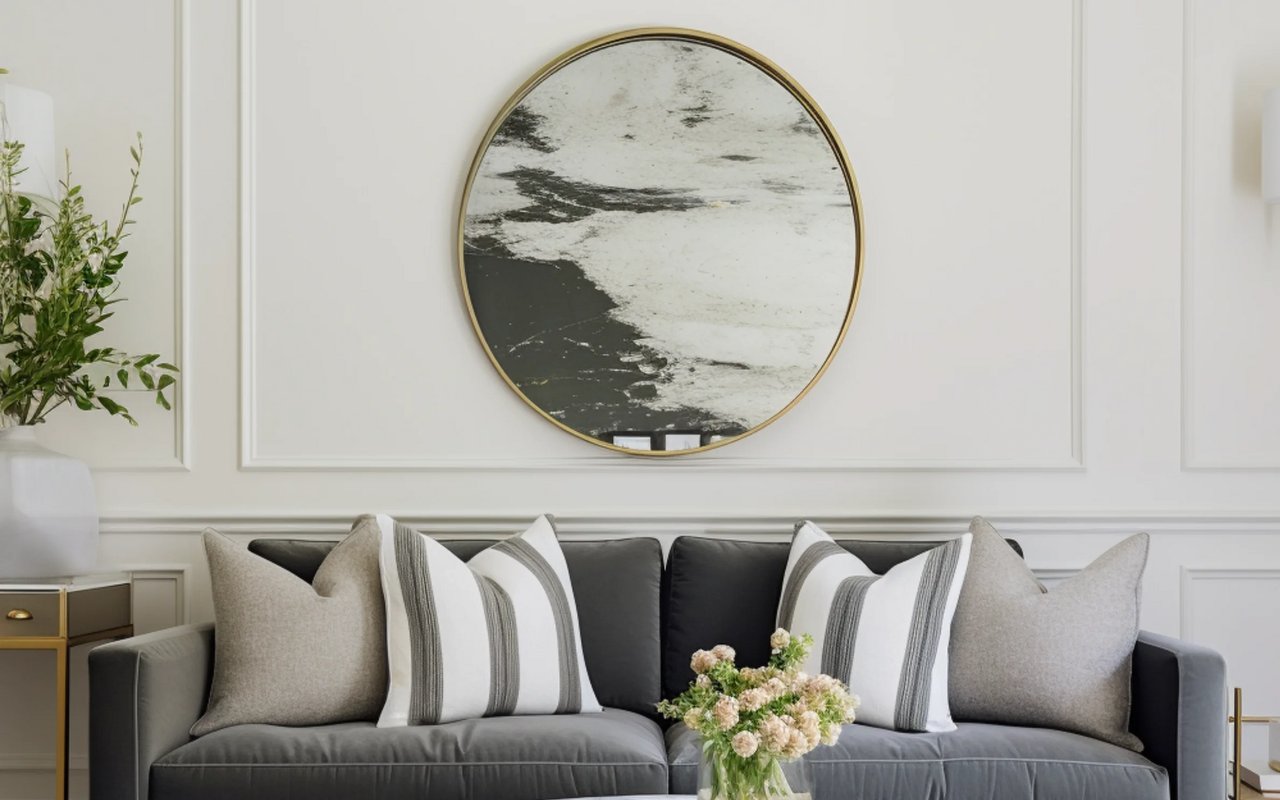
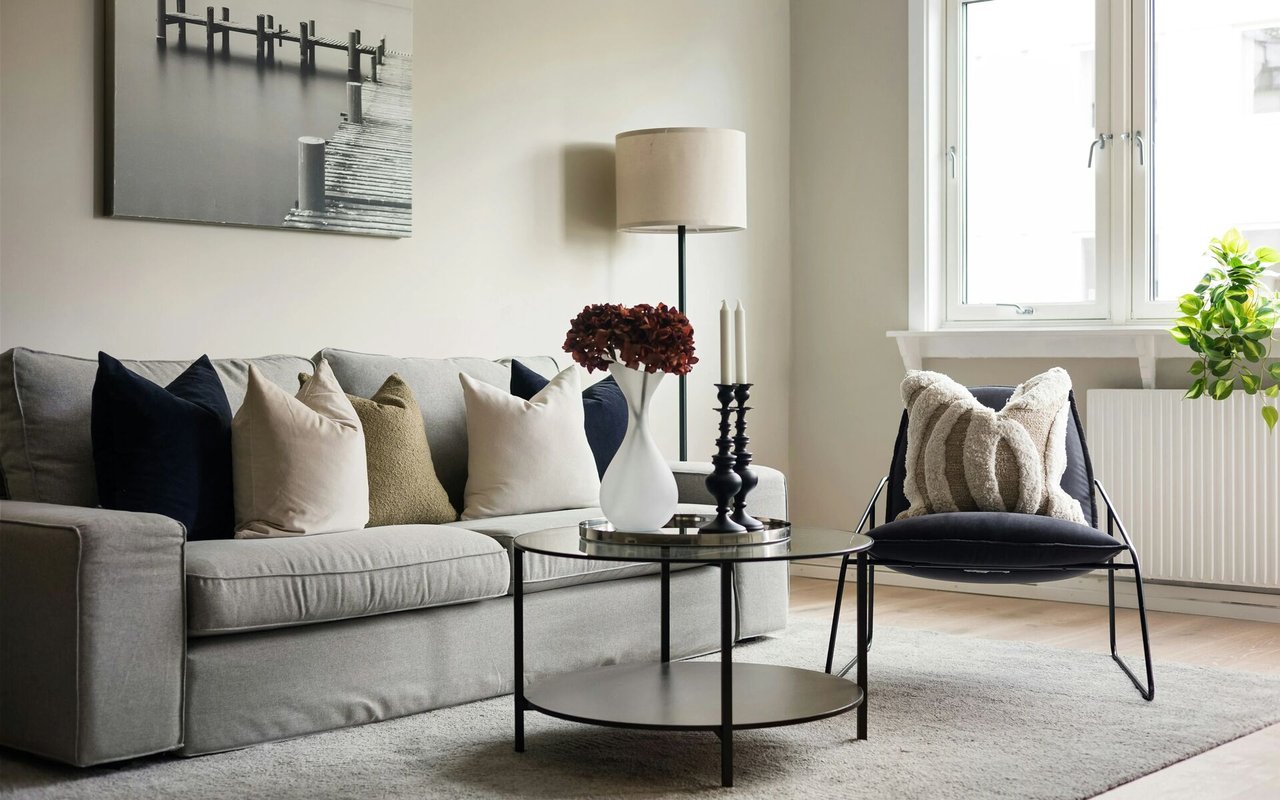
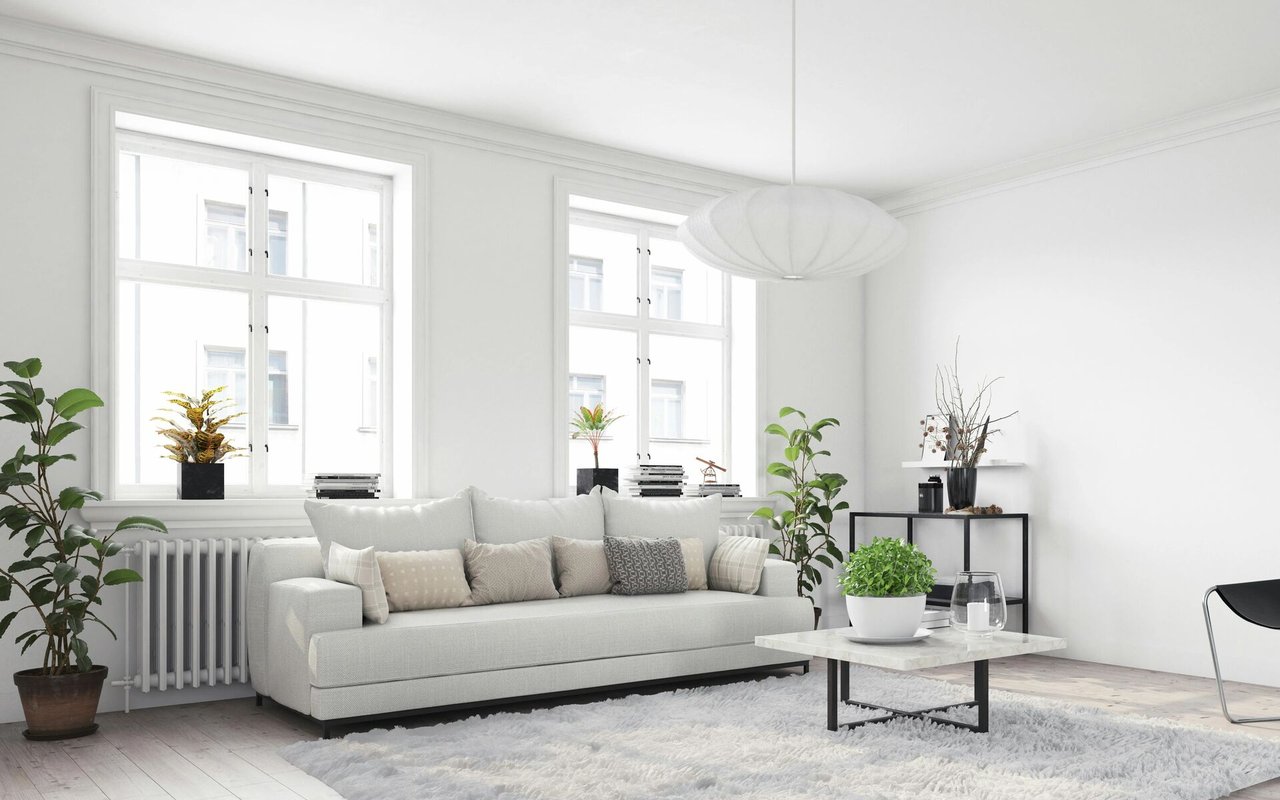
Living Room
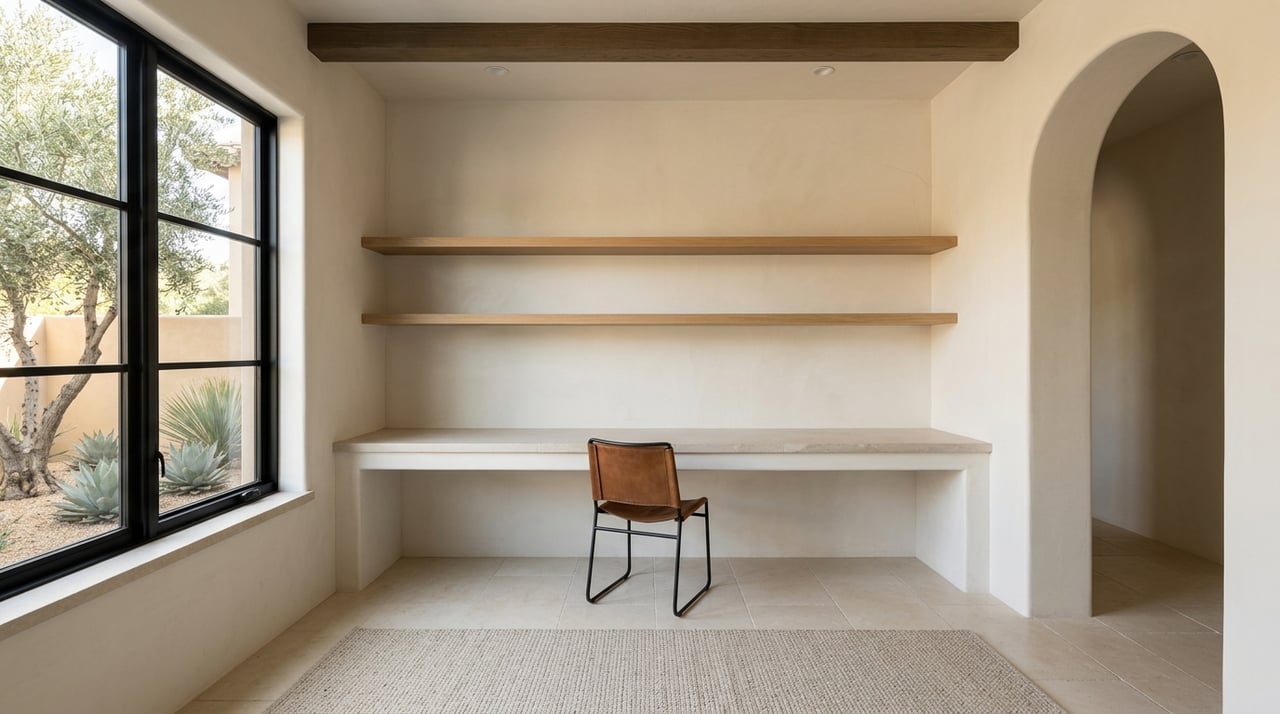
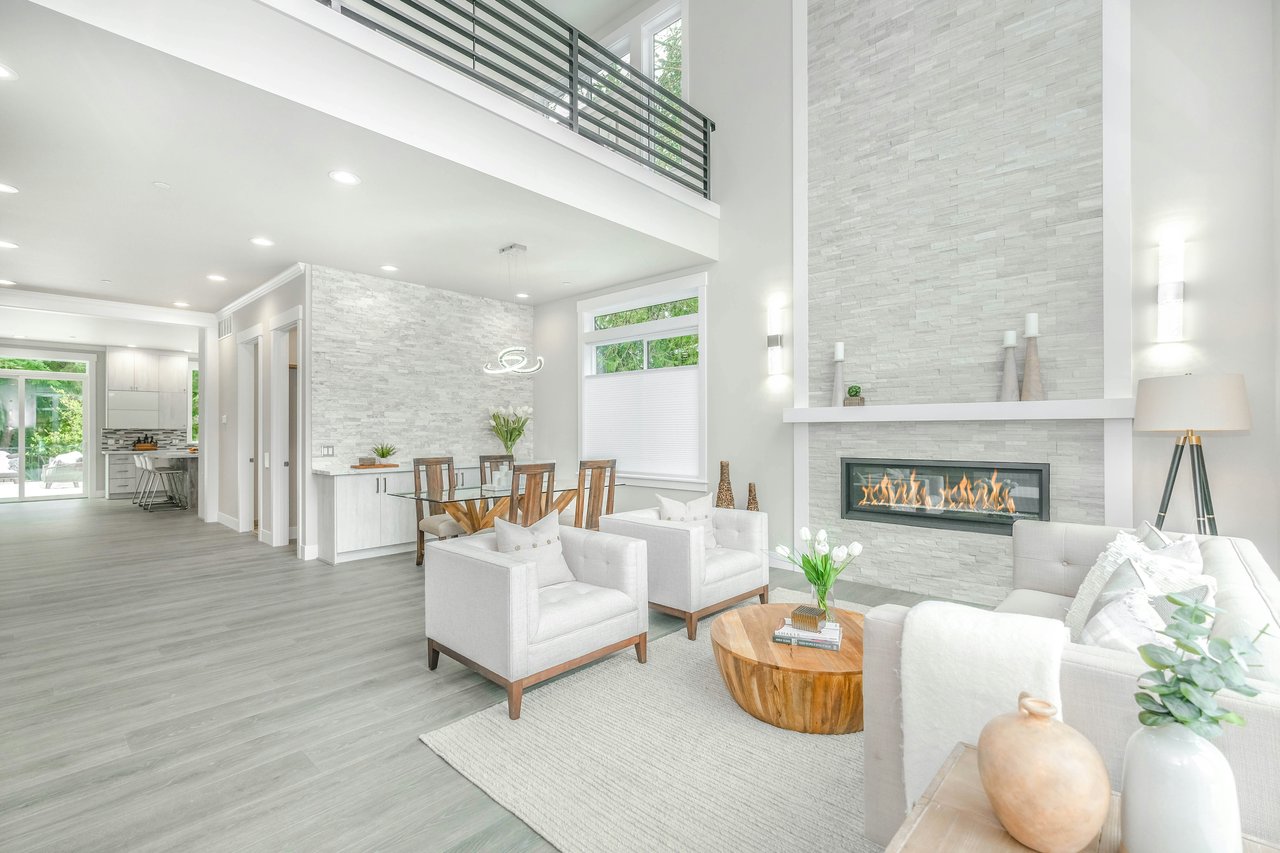
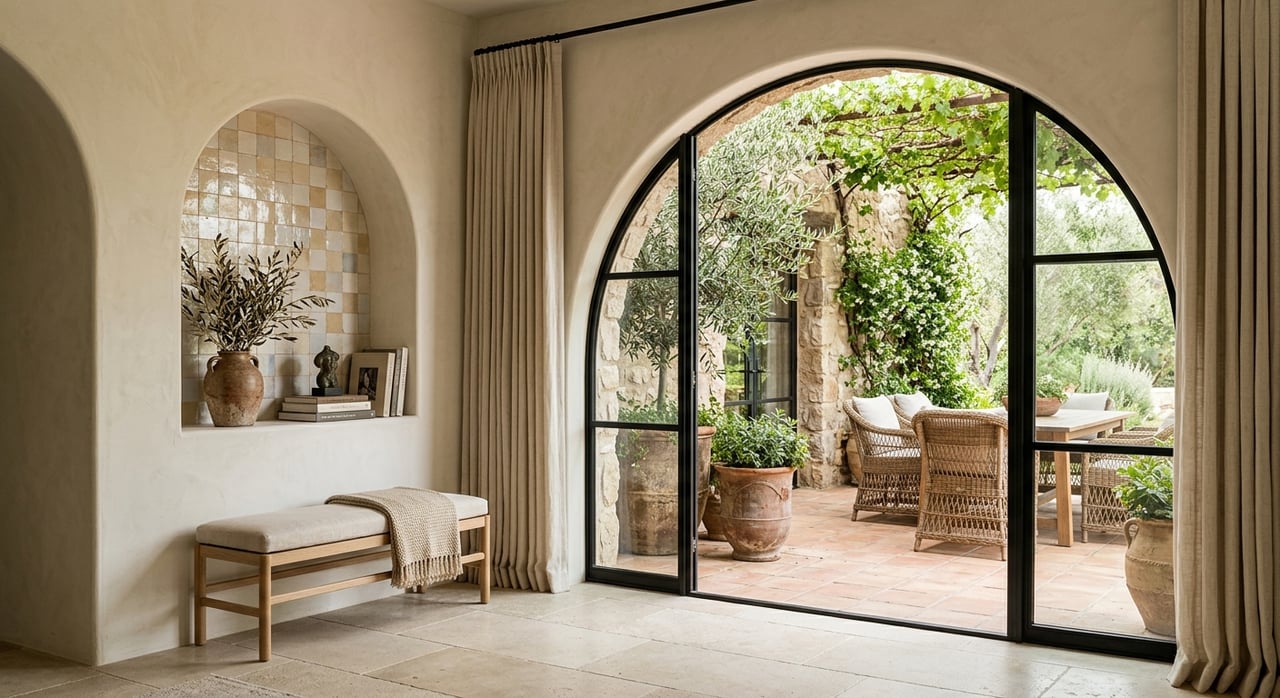
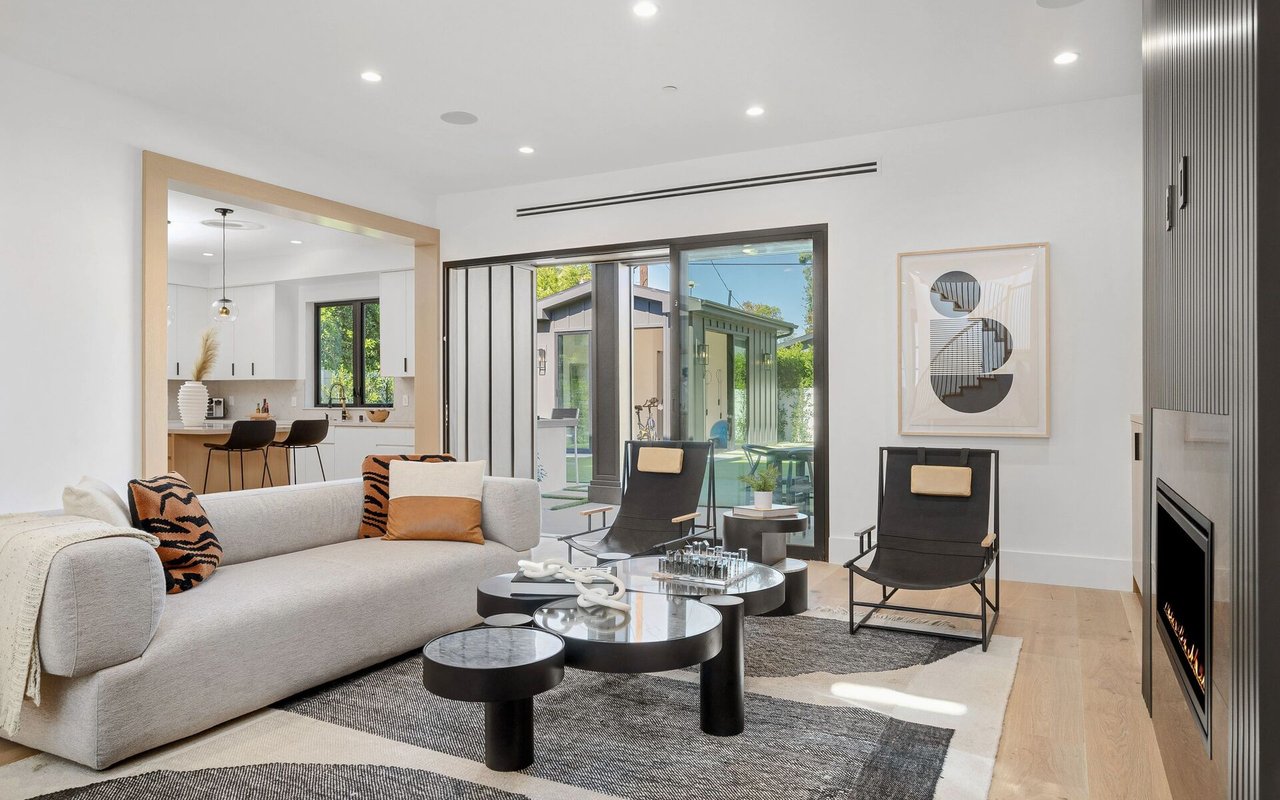
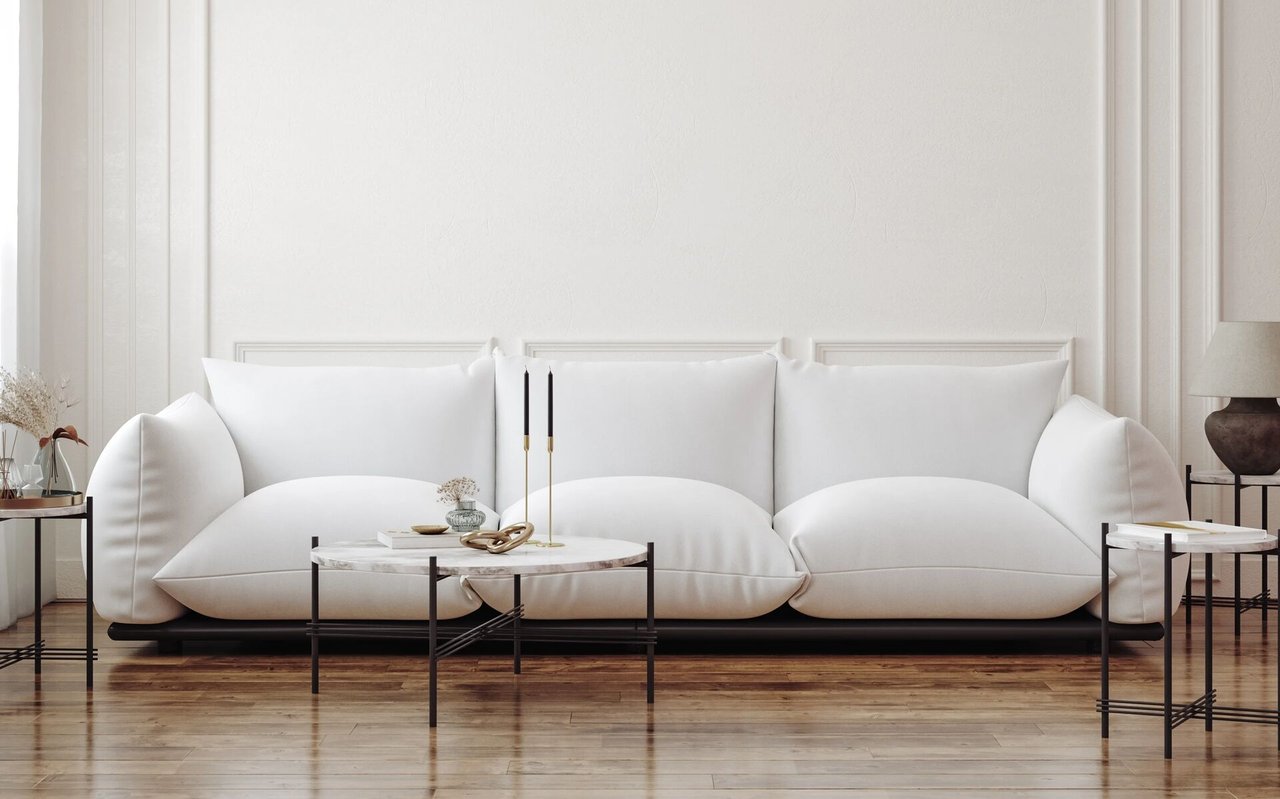
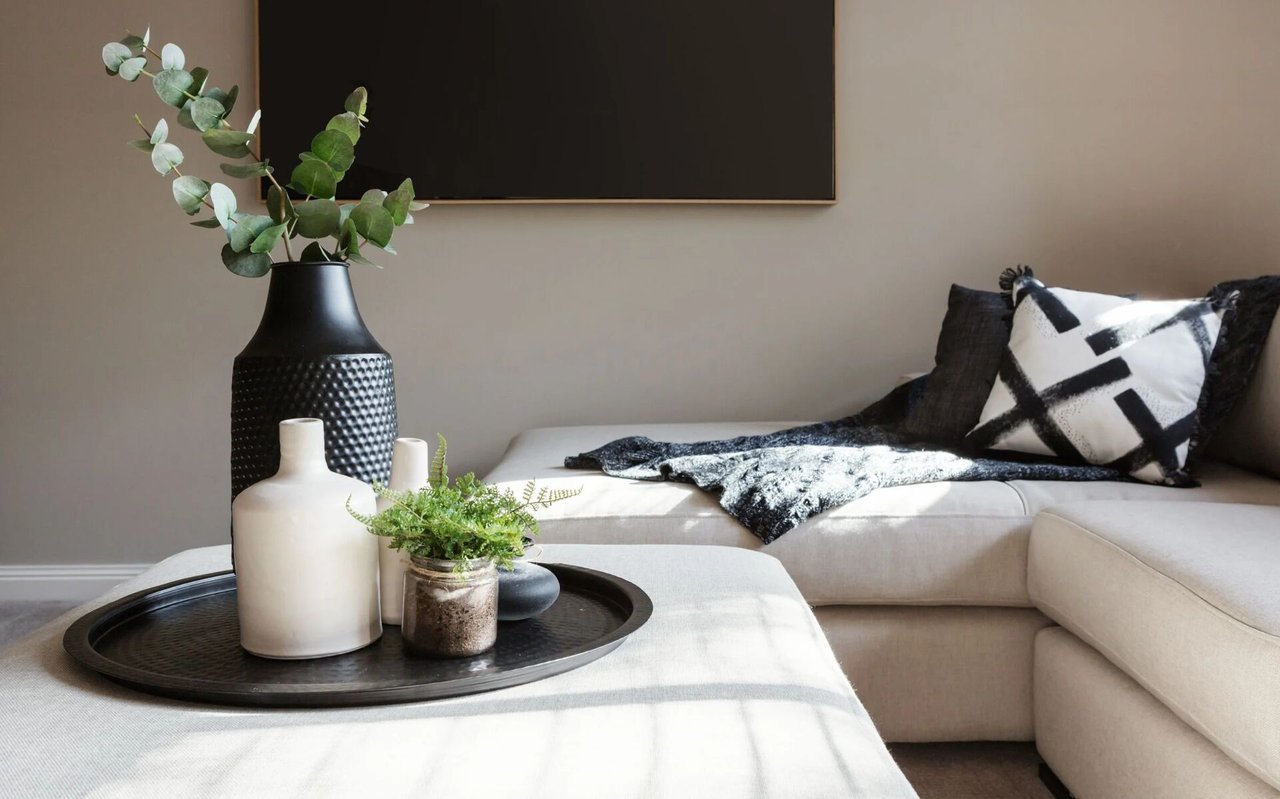
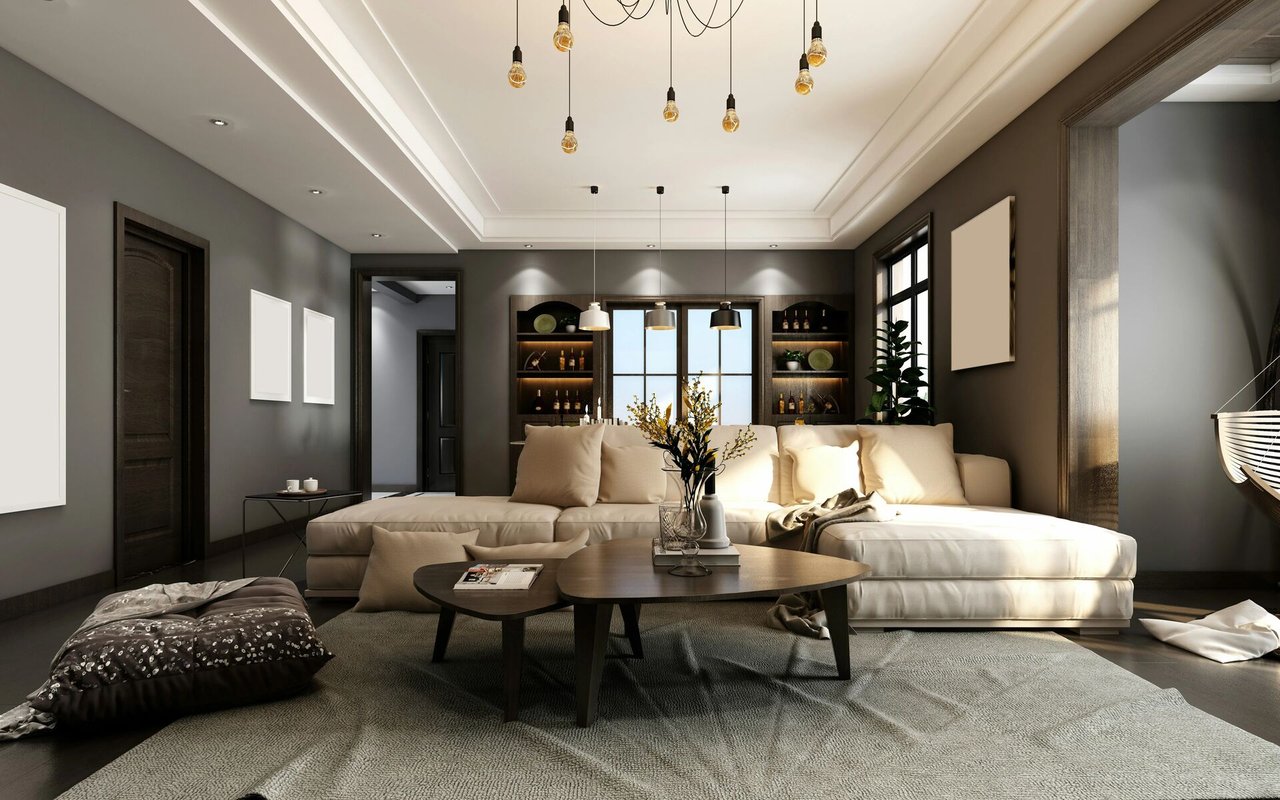
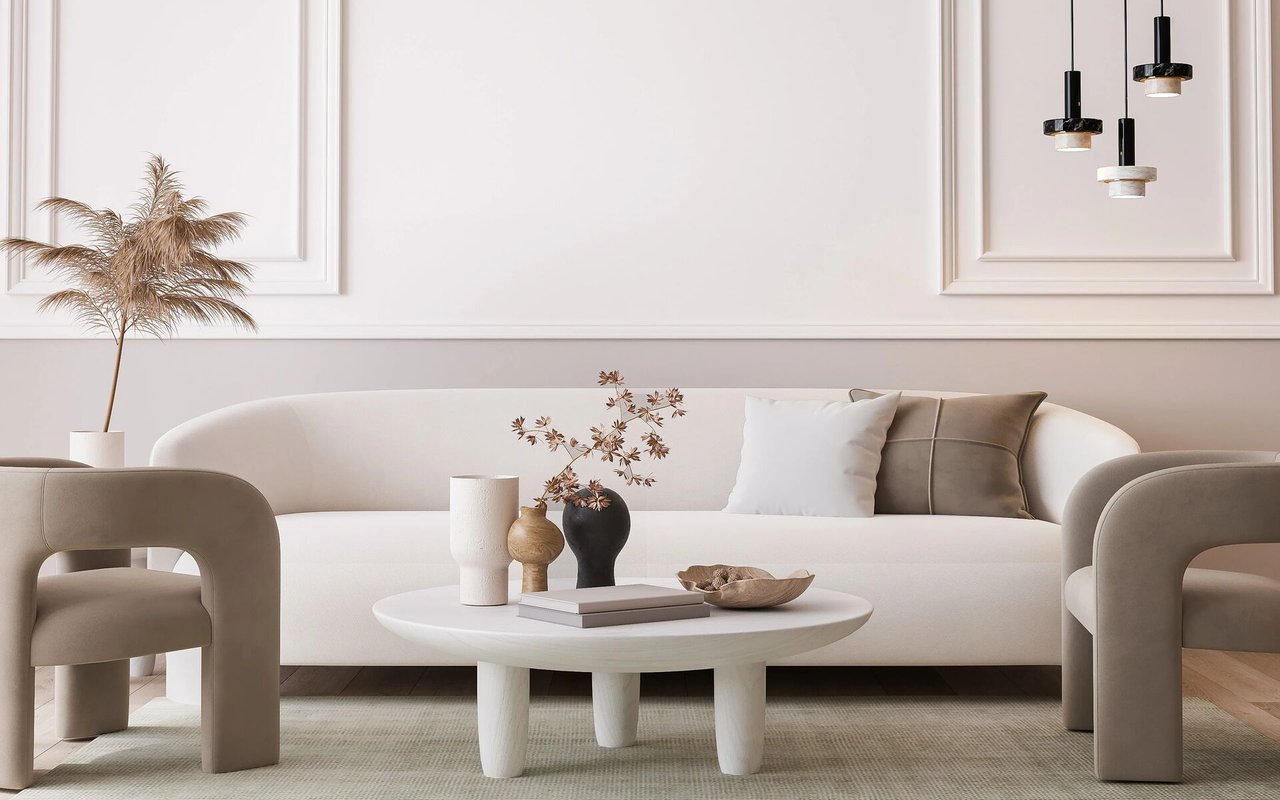
Your main living area should feel open, balanced, and comfortable. Remove extra seating, overscaled decor, and anything that blocks sight lines to windows, outdoor spaces, or architectural features.
Warmth matters right now more than stark minimalism. Think layered but edited, with textures and tones that feel refined without becoming overly personal.
Primary Suite
The primary bedroom should read as calm and restorative. Keep furniture scaled appropriately, reduce visual noise, and use bedding and accessories that feel tailored rather than trendy.
If the primary bath feels dated, small upgrades can help. New lighting, fresh paint, updated hardware, and a spa-like styling approach often do more for resale than a rushed luxury remodel.
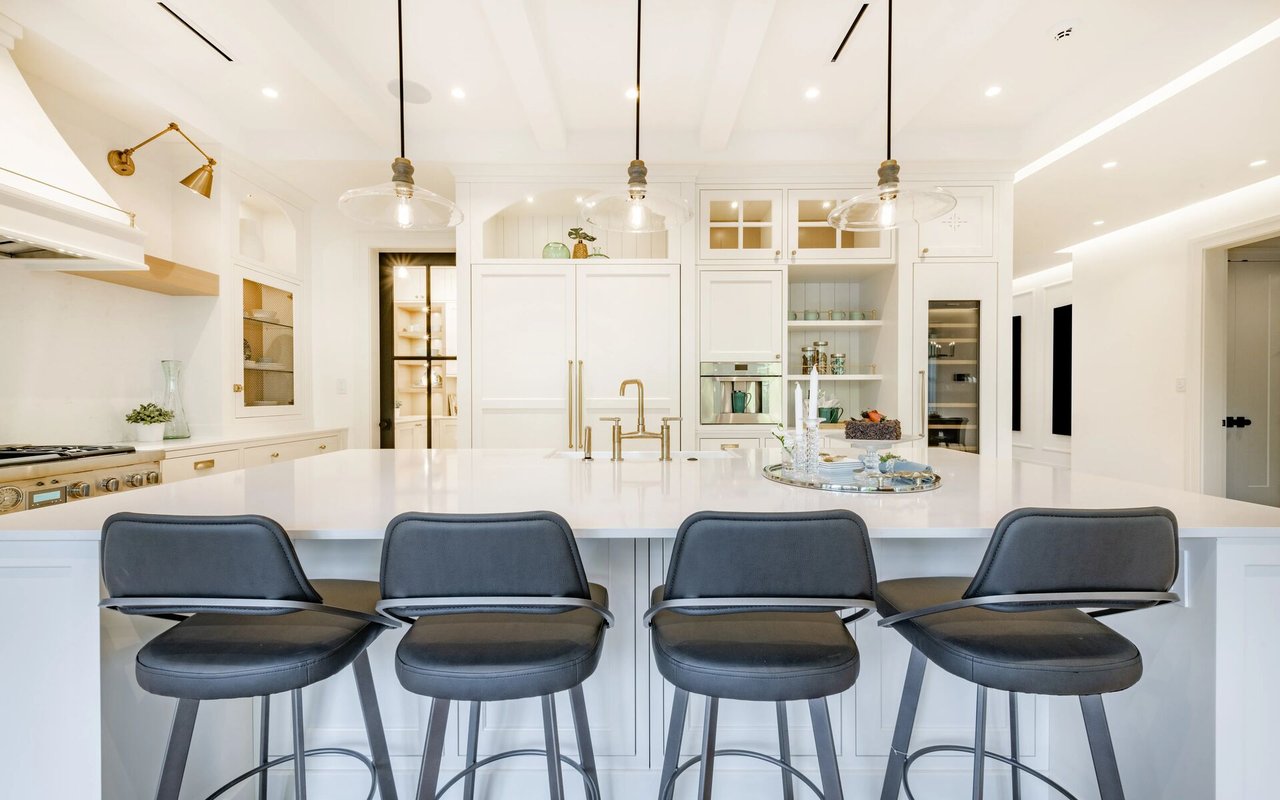
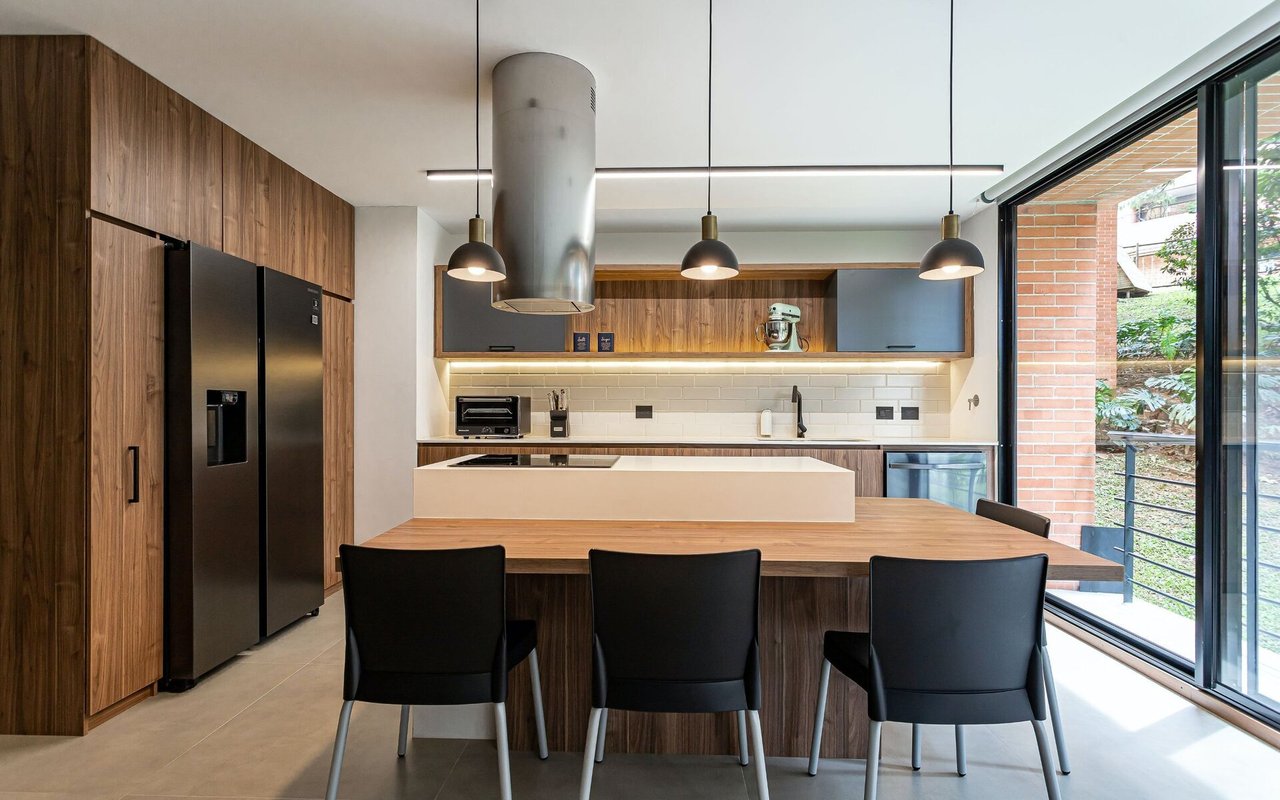
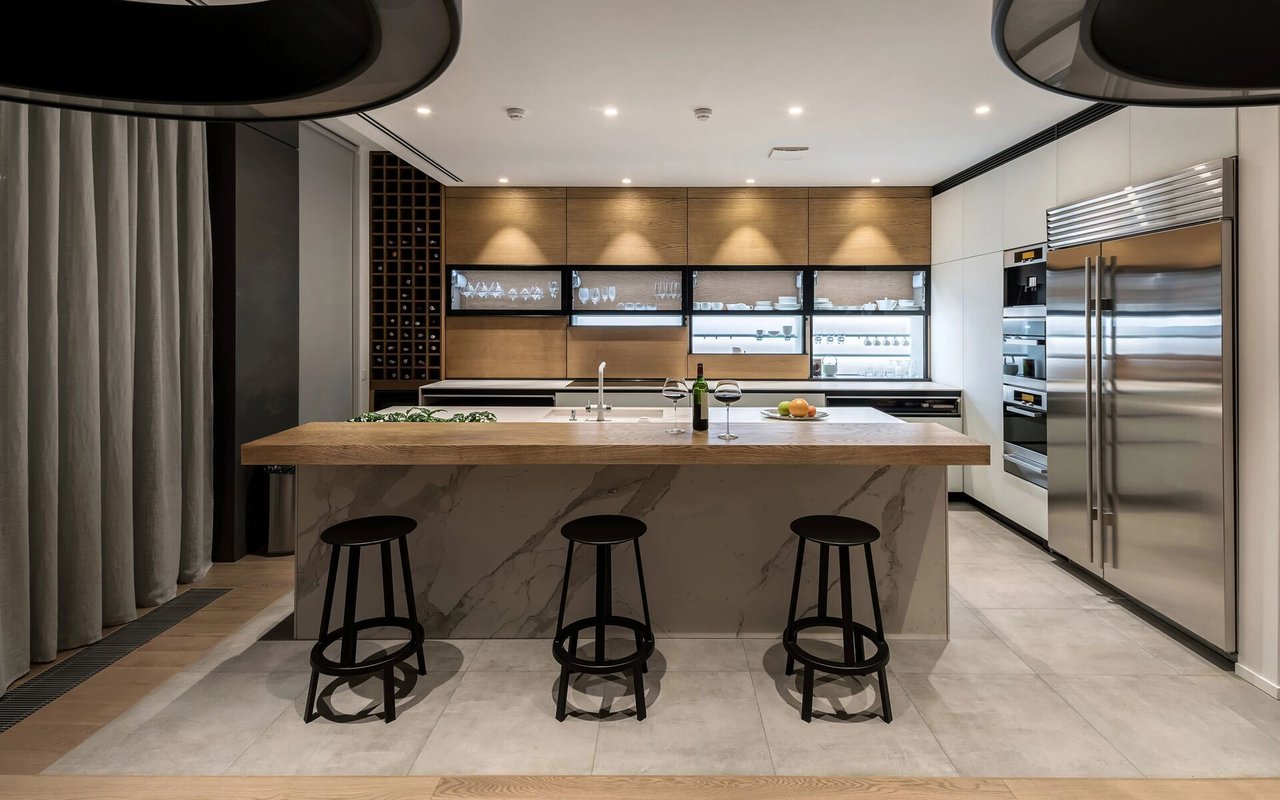
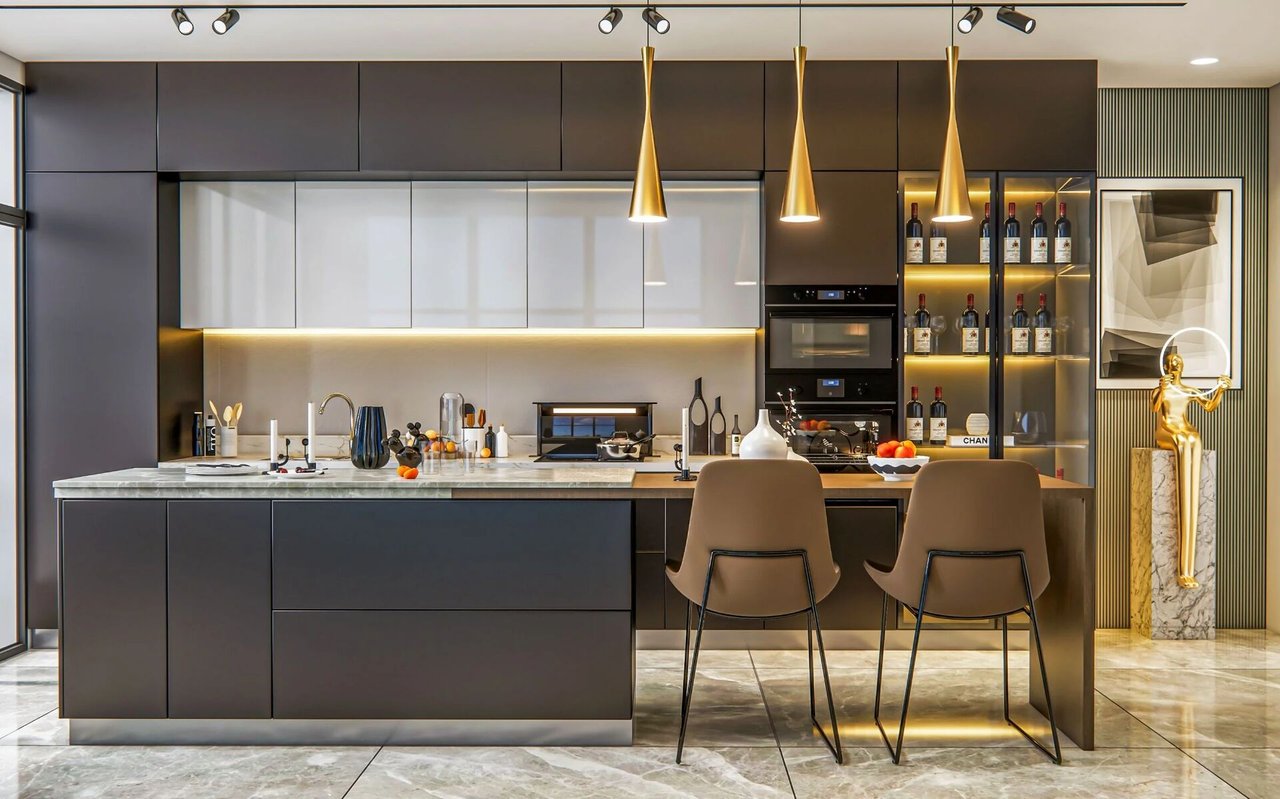
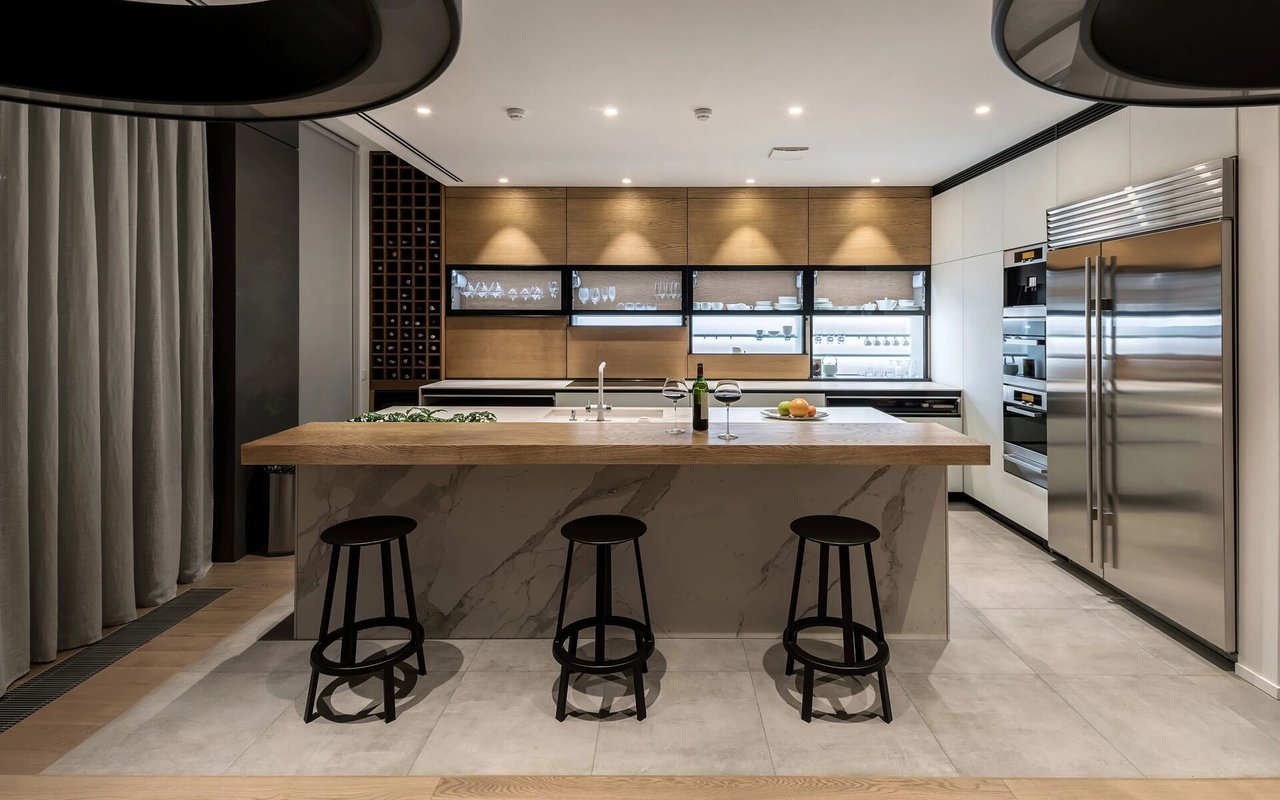
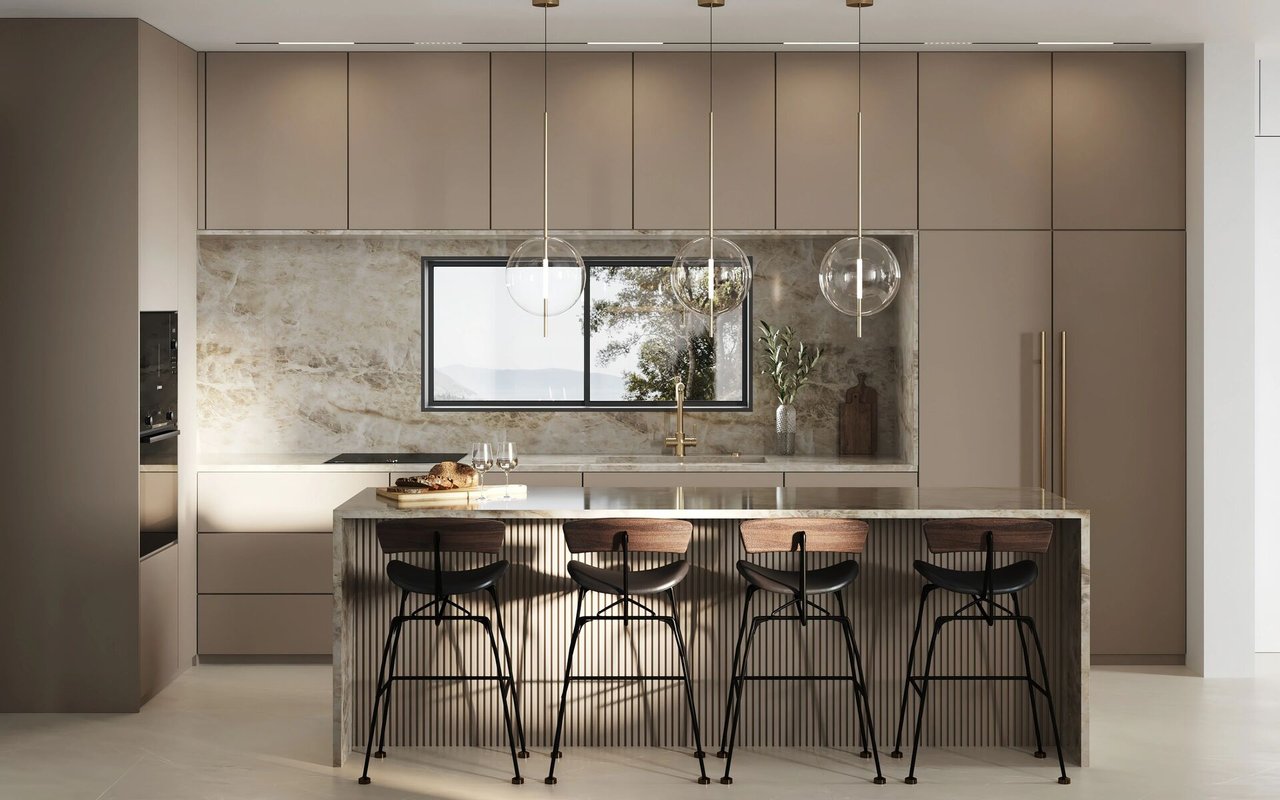
Kitchen
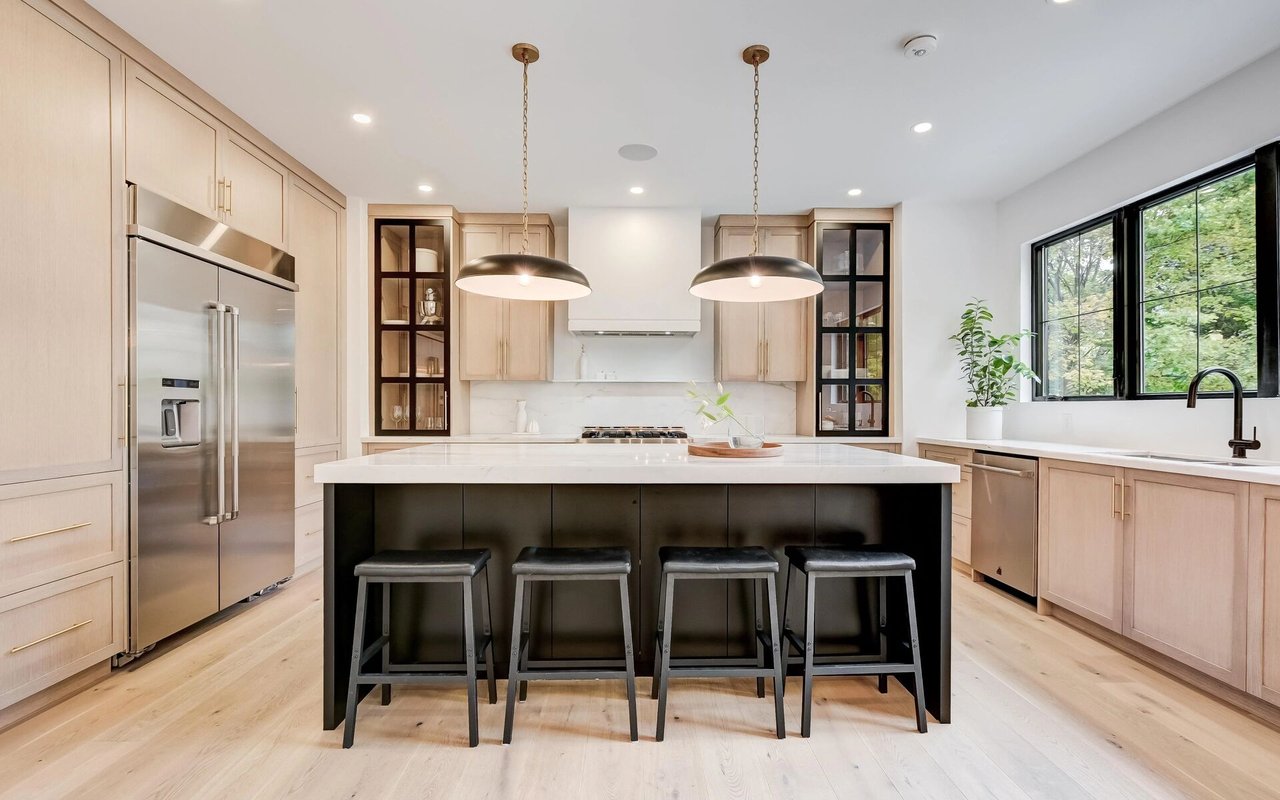
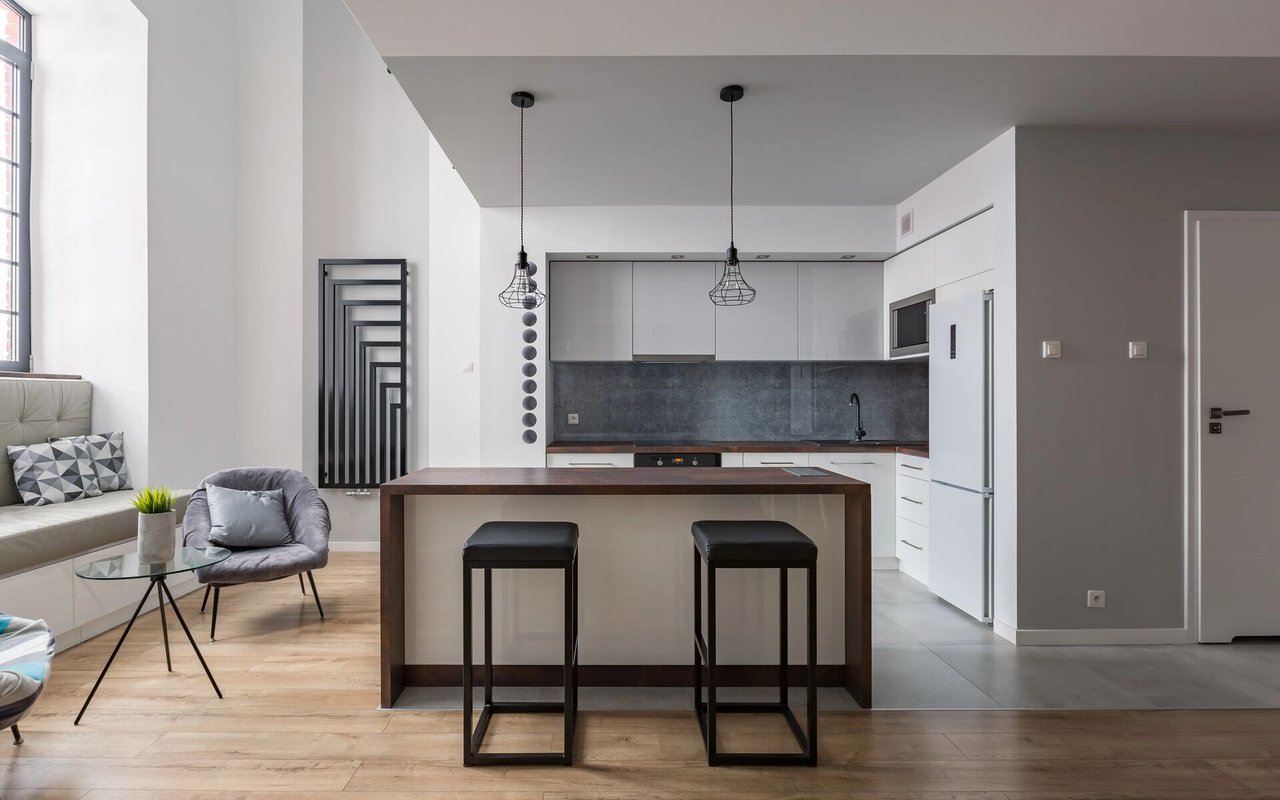
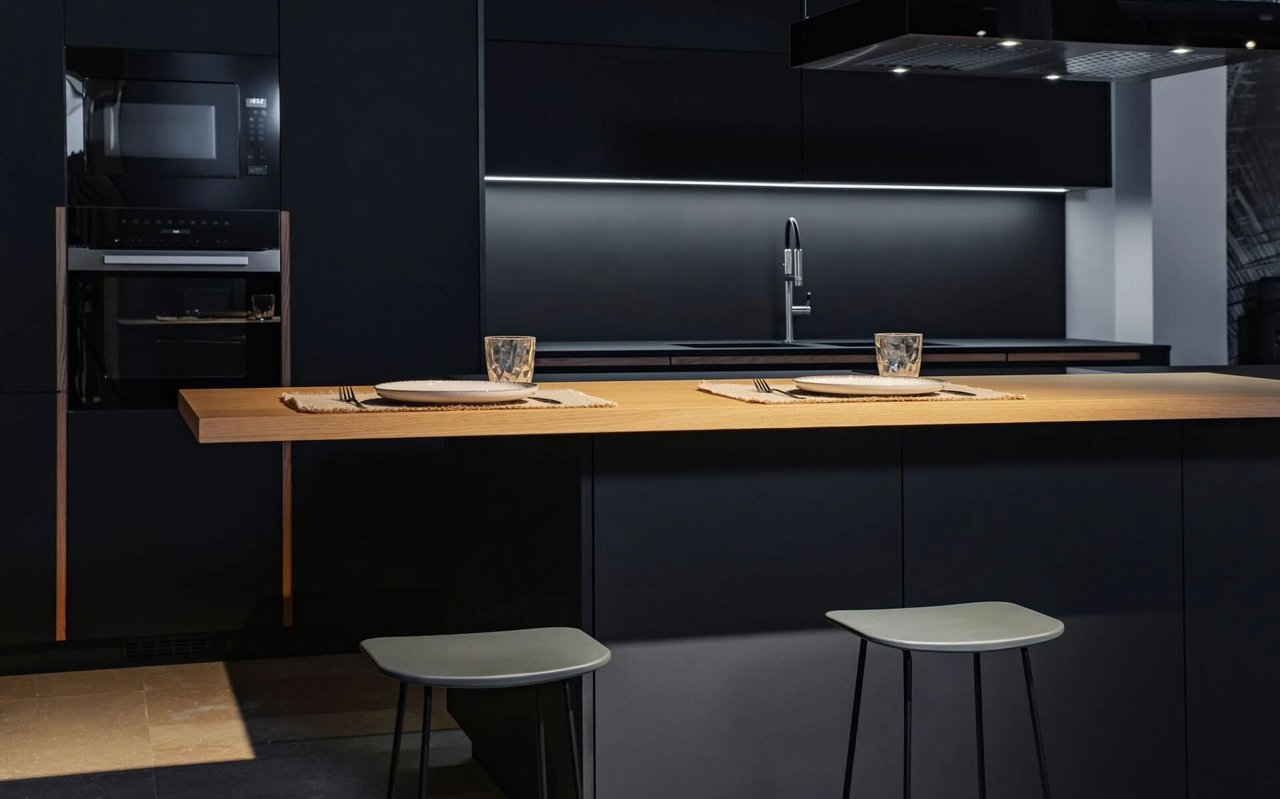
Your kitchen needs to feel current, clean, and credible. Buyers do not necessarily need a dramatic transformation, but they do need to feel that the space has been maintained and thoughtfully presented.
Countertop clutter should go. If needed, paint, hardware swaps, fixture updates, and professional styling can refresh the space without pushing you into a major project.
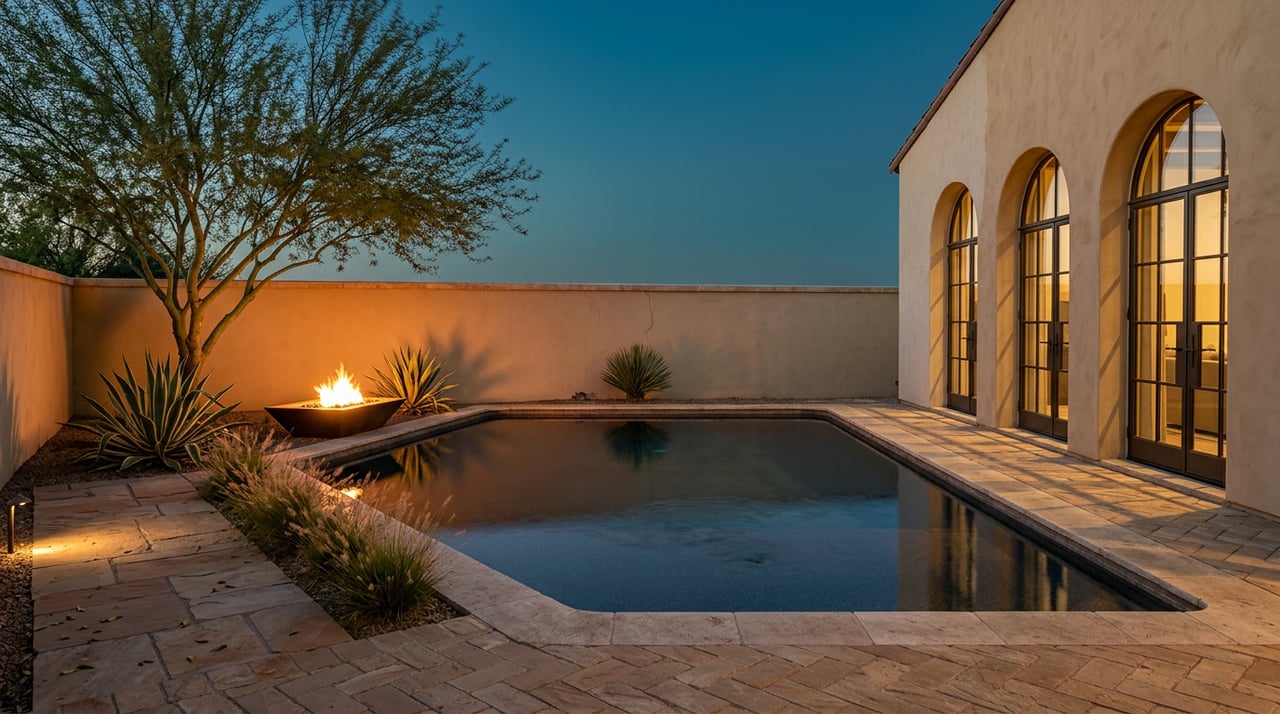
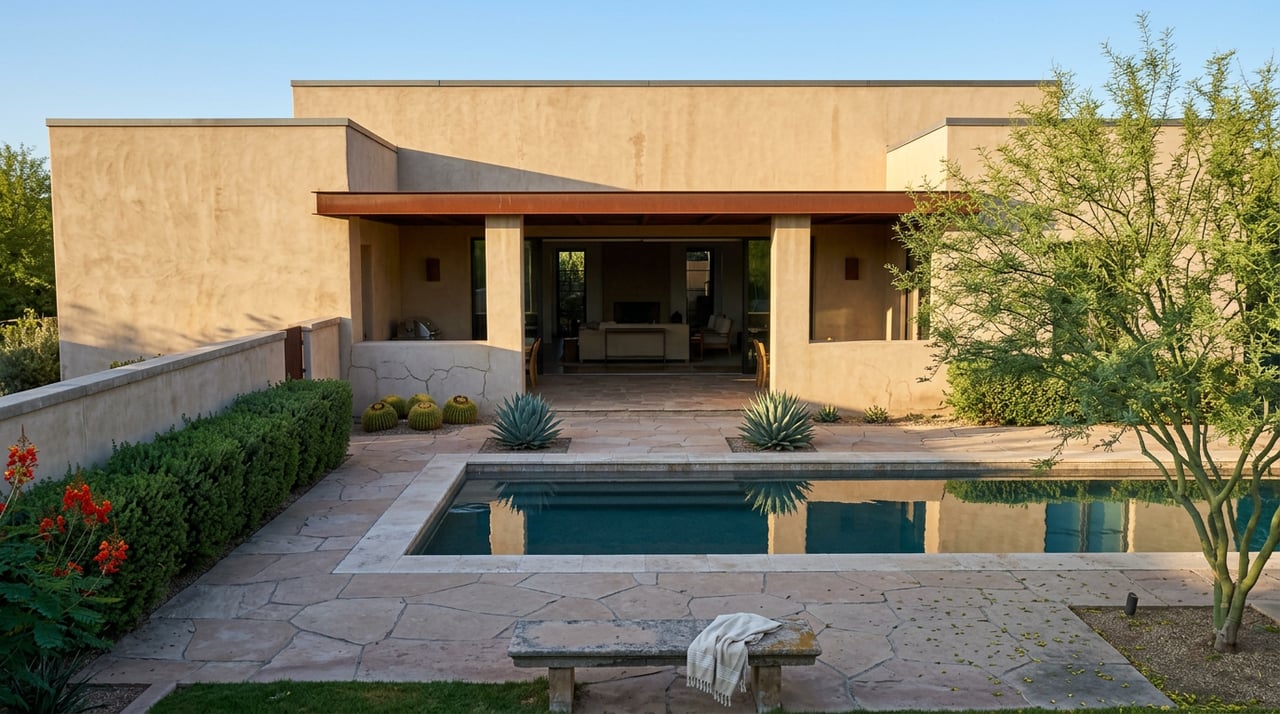
Treat Outdoor Living Like Interior Space
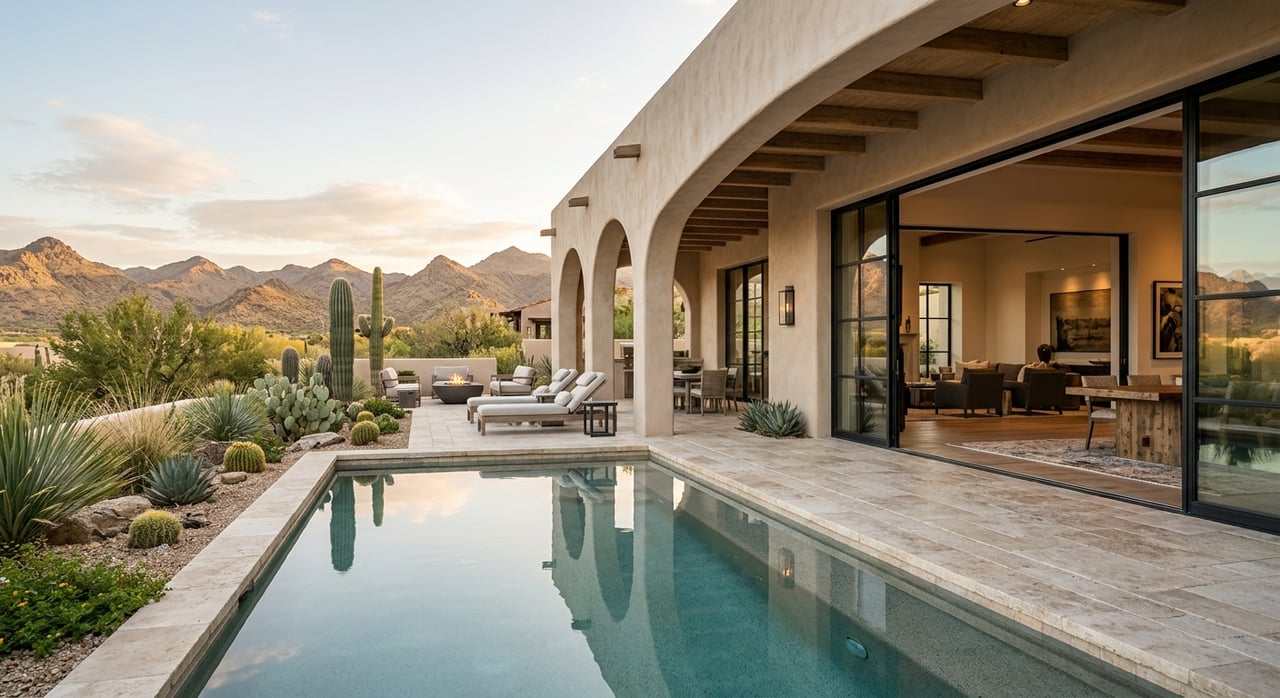
Paradise Valley buyers often search for features like large lots, large backyards, pools, open floor plans, single-story living, gated settings, RV or boat parking, and no-HOA options. That tells you something important: outdoor utility and privacy are part of the value equation, not just bonus features.
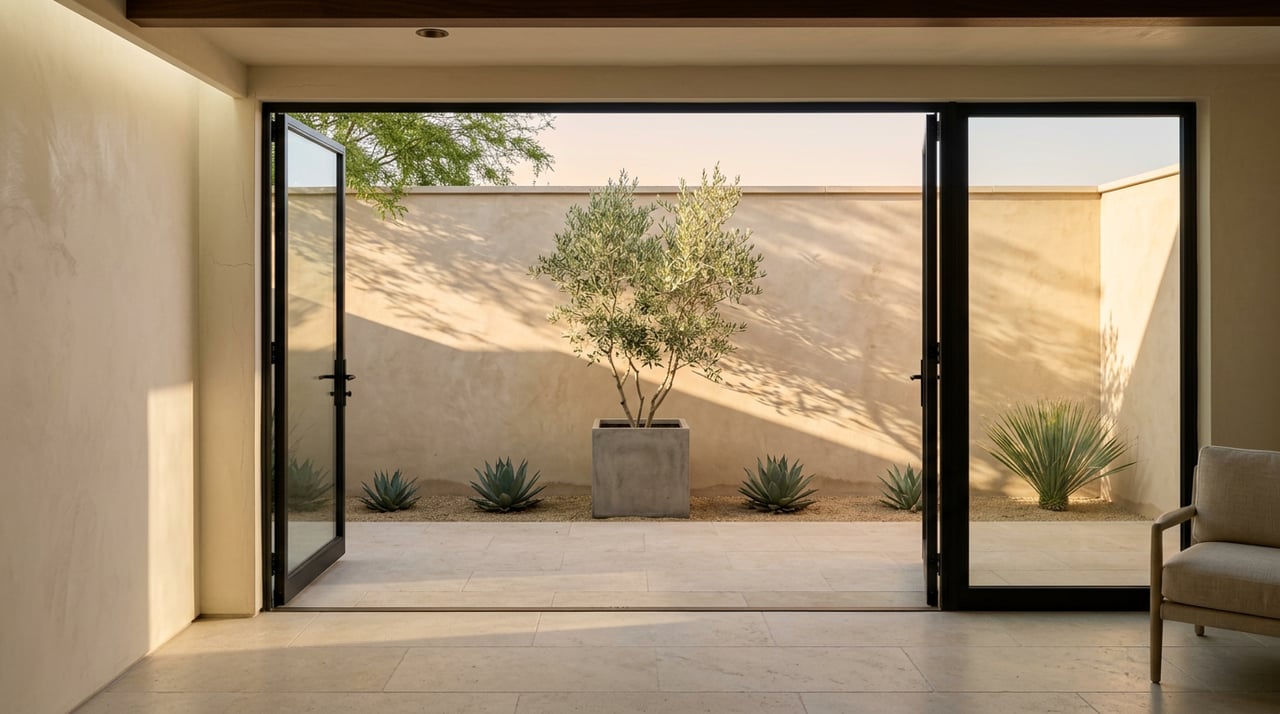
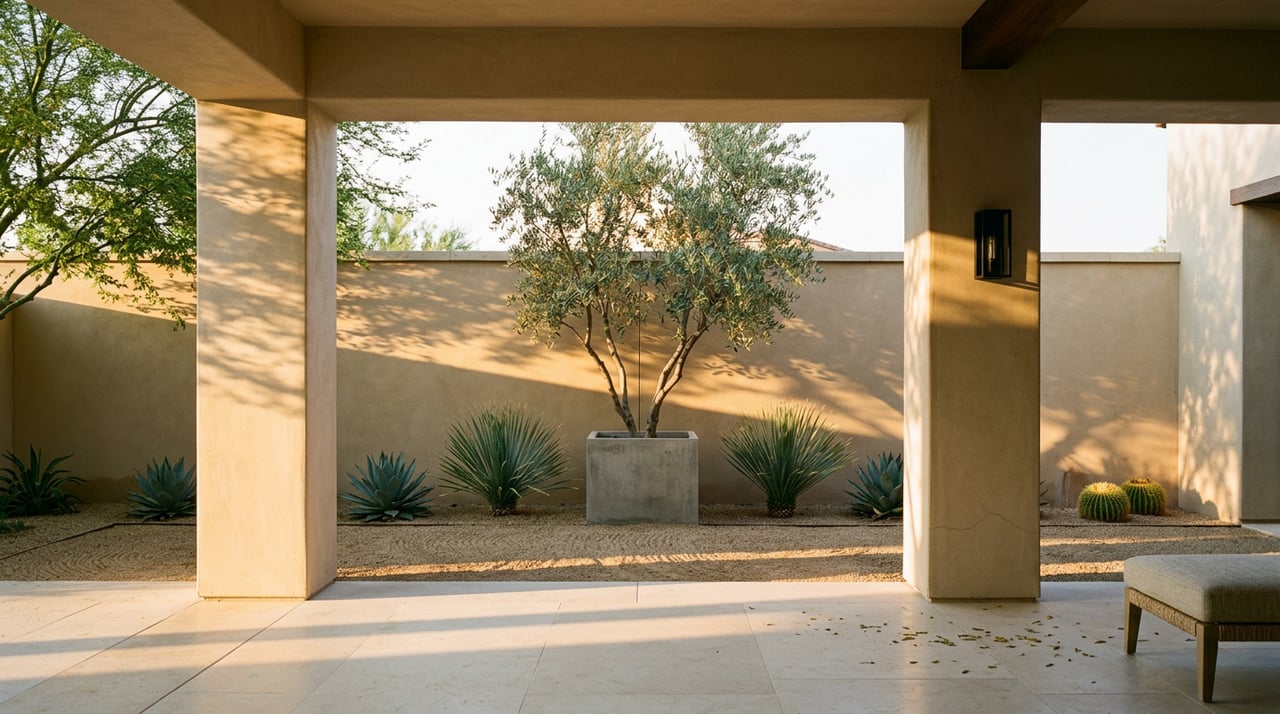
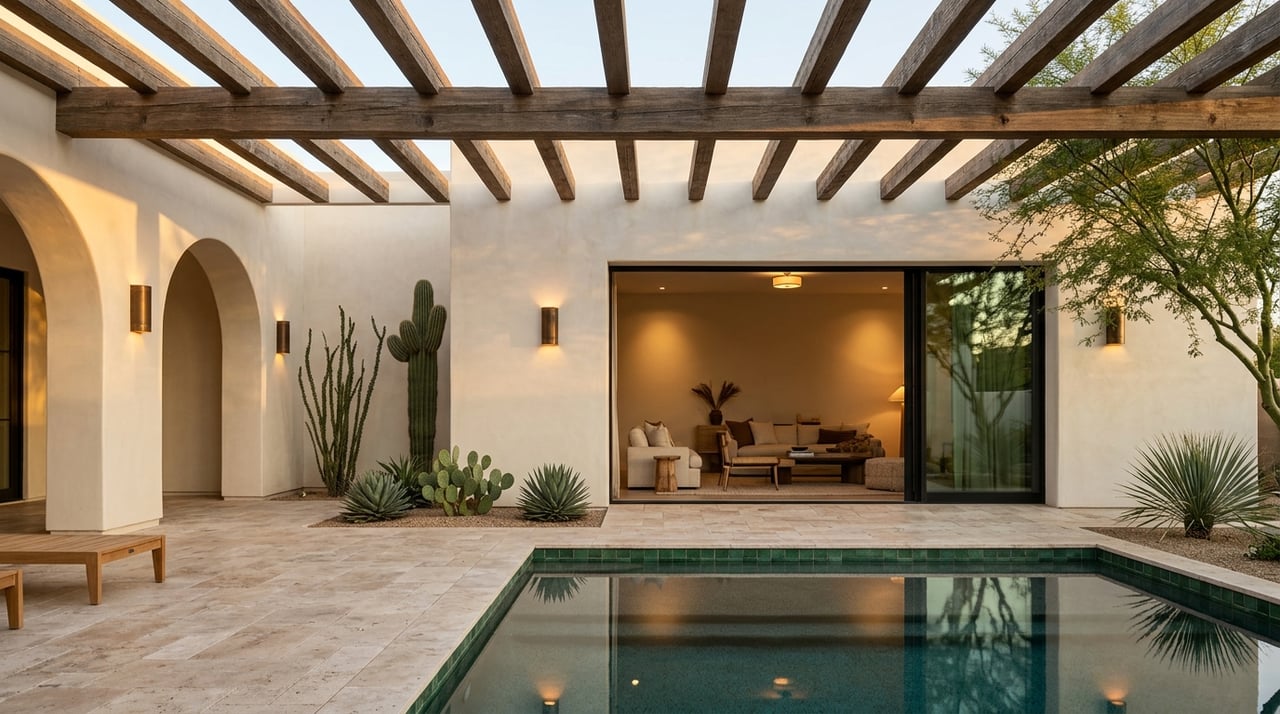
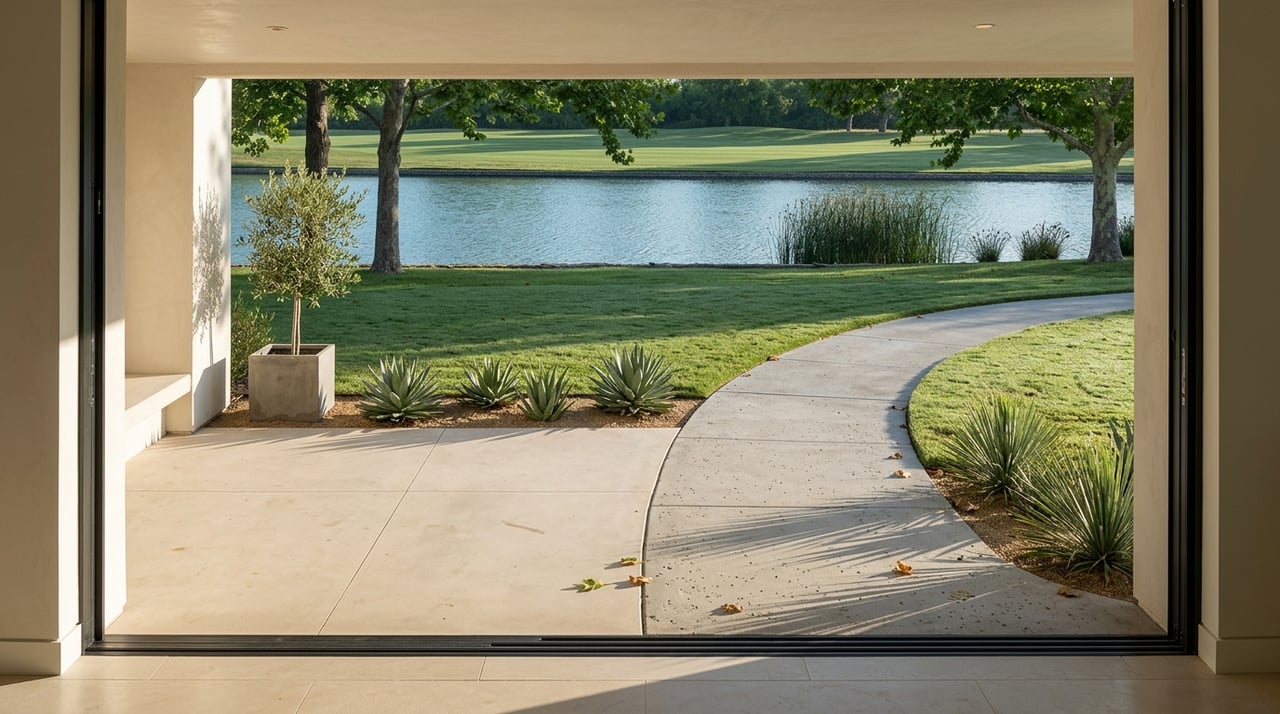
In other words, your exterior spaces should be staged like rooms. Patios, pool decks, seating areas, and view corridors deserve the same level of planning as the great room or kitchen.
Ask yourself whether each outdoor area clearly communicates a purpose. If the answer is no, buyers may see wasted space instead of lifestyle value.
A strong outdoor prep plan may include:
- Pressure washing patios and pool decking
- Repairing cracked or worn surfaces
- Editing furniture layouts to create conversation areas
- Refreshing cushions, umbrellas, and planters
- Highlighting shade, views, and privacy
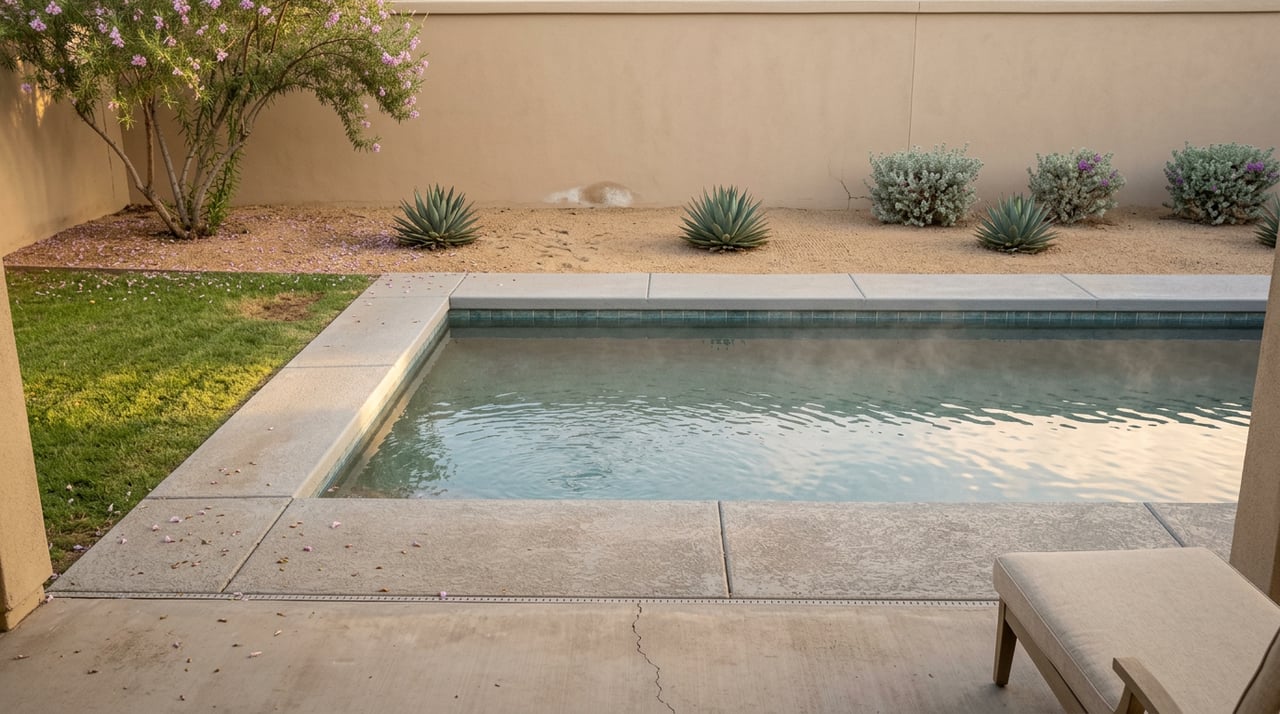
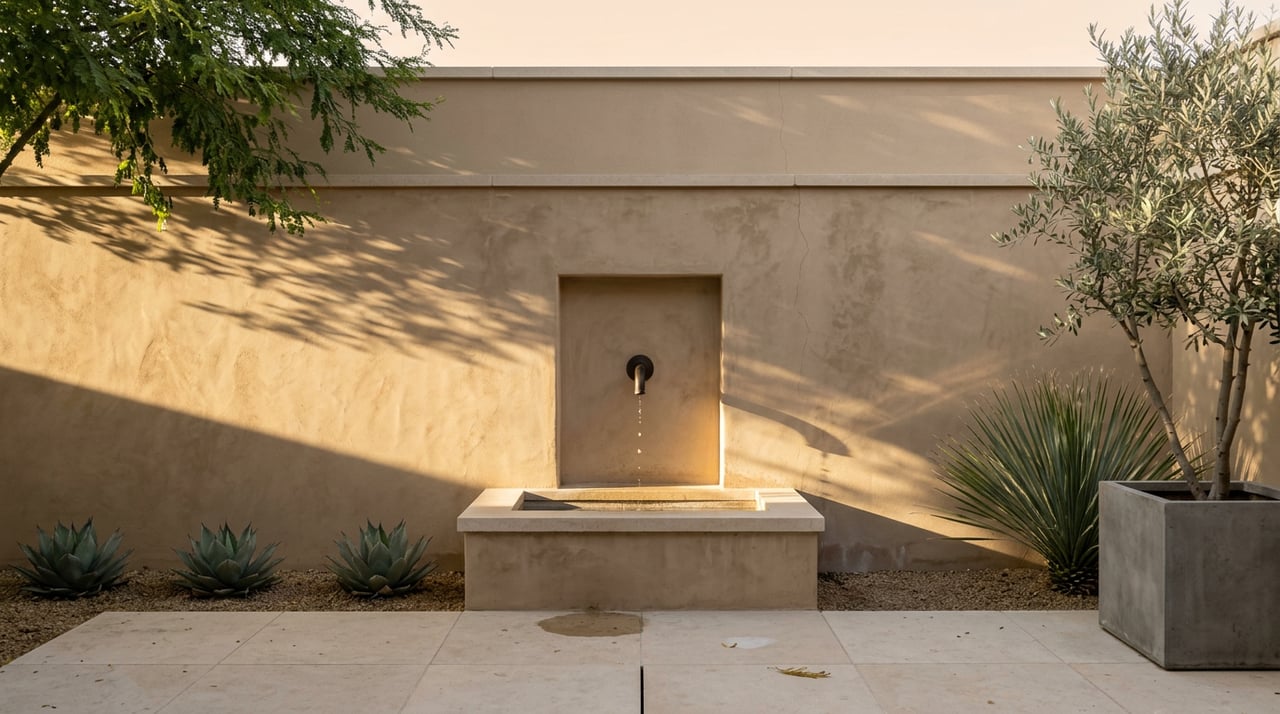
- Making pool and water features presentation-ready
- Cleaning up side yards, service areas, and gates
Outdoor spaces do not need to look elaborate. They need to look usable, clean, and consistent with the home’s level of finish.
Use Design Updates That Are Elevated And Reversible
In a design-led prep plan, restraint is your friend. Current buyer preference signals lean toward warmth, comfort, character, spa-like bathrooms, and climate-resilient features rather than cold, overly sterile interiors.
That does not mean chasing every trend. It means choosing updates that broaden appeal without locking you into expensive, highly personal design decisions.
The safest categories usually include:
- Neutral paint in warm, sophisticated tones
- Updated lighting with better scale and finish
- Hardware and plumbing fixture refreshes
- Flooring touch-ups or selective replacement
- Professional window treatment edits
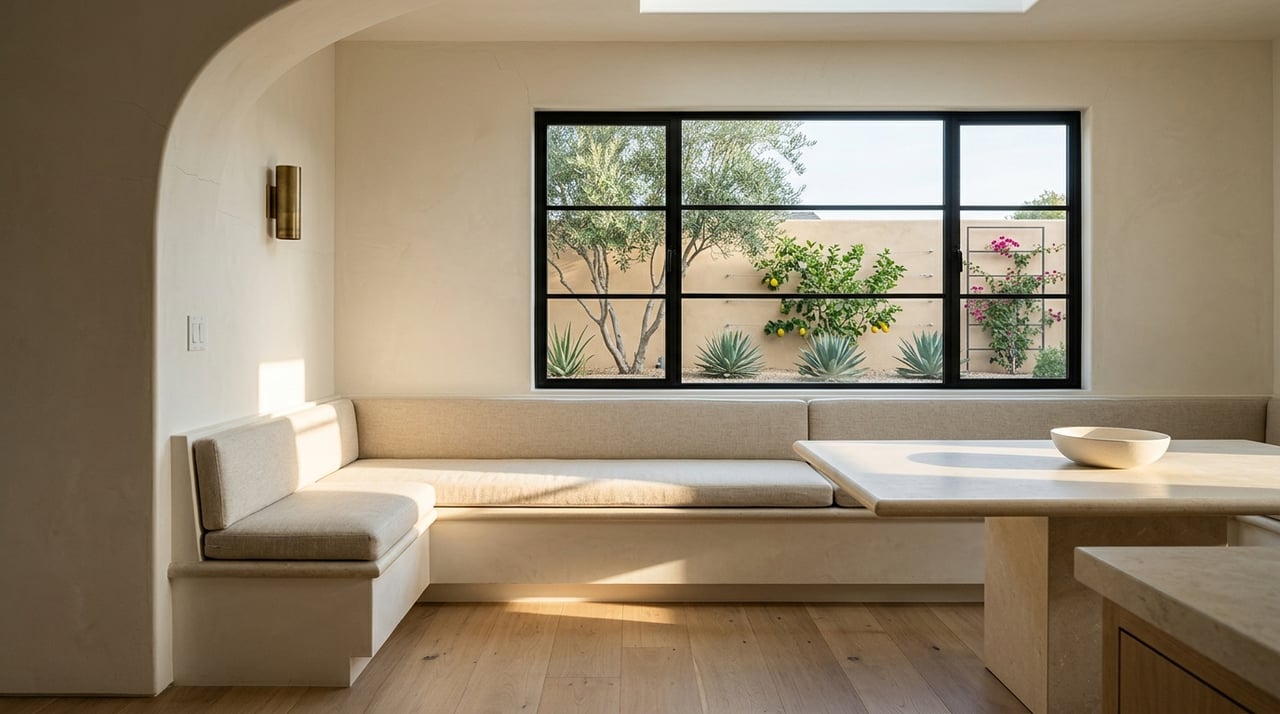
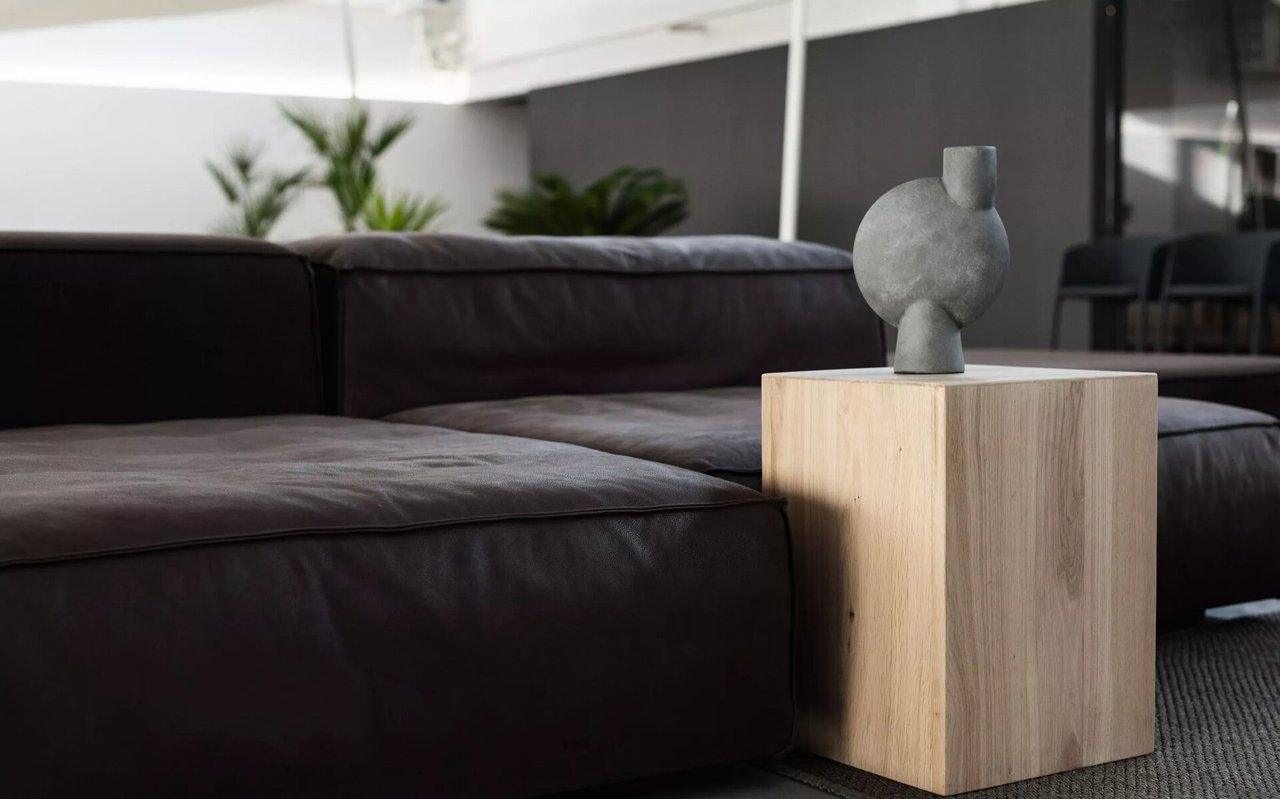
- Simple styling that softens hard contemporary spaces
This approach keeps the home marketable while reducing the risk of spending heavily on improvements a buyer may undo.
Highlight Efficiency Without Overselling It
Energy and sustainability features are getting more buyer attention, including windows, doors, siding, solar panels, EV chargers, whole-home batteries, and drought-conscious yard design. In a desert luxury market, these features can support a home’s perceived quality and ease of ownership.
Still, they usually work best as supporting value, not the whole story. If your home has these features, present them clearly and factually. Pair them with the broader message buyers care about most: a well-maintained property that lives well and feels easy to step into.
Keep Projects Tight On Scope
This is one of the most important points for Paradise Valley sellers. The town’s building and zoning practices can be more restrictive than in other communities, and construction-related work may require permits. On hillside properties in particular, approvals can apply to remodeling, painting, roofing, outdoor lighting, walls, fences, lot disturbance, and landscaping.
Separate permits or applications may also be triggered by demolition, grading, pool or spa work, solar installations, or right-of-way work. That means large pre-sale projects can expand in cost and timeline faster than sellers expect.
Unless a major upgrade clearly makes sense, the smarter move is usually to stay tightly scoped. Focus on changes that improve presentation and condition without pulling you into avoidable permitting complexity.
Where Compass Concierge Can Help
For some sellers, the challenge is not deciding what to do. It is paying for the work upfront or coordinating the sequence. Compass Concierge is designed to front the cost of eligible home-improvement services with payment due at closing, subject to program terms and market variation.
Eligible services can include staging, painting, flooring, landscaping, decluttering, deep cleaning, and cosmetic updates. In a Paradise Valley sale, that can be especially useful when you want to improve presentation and potential net proceeds without tying up cash before the home hits the market.
This can be a practical fit if you have several months of runway and want a more disciplined prep strategy. It also supports the kind of high-visibility work that tends to matter most here.
A Smart Prep Framework For Paradise Valley Sellers
If you want a simple way to think about it, use this order of operations:
- Correct condition issues first so buyers do not lead with objections.
- Improve the arrival experience with landscape, entry, and exterior clean-up.
- Stage the core rooms buyers judge most closely.
- Define the outdoor lifestyle with clear, usable seating and pool areas.
- Add selective cosmetic updates that feel warm, current, and broadly appealing.
- Avoid overbuilding unless the resale math, timing, and approvals all make sense.
That is the heart of design-led prep in Paradise Valley. You are not trying to create a museum piece. You are helping the home feel calm, current, and ready for the next owner.
When you prepare the right things, buyers notice. If you want candid guidance on what is worth doing before you list in Paradise Valley, Laura Lee Cahal can help you build a focused plan that fits your timeline, your property, and your goals.
FAQs
What does design-led prep for selling in Paradise Valley mean?
- It means using focused cosmetic updates, staging, landscaping, and maintenance to make your home feel current, polished, and move-in ready without taking on unnecessary major renovations.
Which rooms matter most when preparing a Paradise Valley home for sale?
- The rooms most worth prioritizing are the living room, primary bedroom, dining room, and kitchen, because staging data shows these are the spaces buyers notice and evaluate most closely.
How important is outdoor presentation when selling a Paradise Valley property?
- Outdoor presentation is very important because buyers in Paradise Valley often screen for large lots, backyards, pools, privacy, and outdoor utility, so patios, pool areas, and landscape condition should be part of the prep plan.
Should you remodel before listing a home in Paradise Valley?
- Usually, smaller visible improvements are the safer first move, while larger remodels should be considered carefully because local permitting and approval requirements can add time, cost, and complexity.
Can Compass Concierge help with pre-listing work in Paradise Valley?
- Yes, Compass Concierge may help cover eligible services like staging, painting, flooring, landscaping, decluttering, deep cleaning, and cosmetic improvements, with payment due at closing subject to program terms.