The Fall 2026 Negotiating Window Has Quietly Opened Across the Valley's Prime Neighborhoods
After several years of bidding wars and waived contingencies, the fall 2026 market in Scottsdale, Paradise Valley, Arcadia, and the Biltmore corridor looks different. Active inventory across greater Scottsdale is up roughly 25% to 30% year over year, luxury listings above $1.5 million are sitting longer, and disciplined buyers finally have room to negotiate on quality homes. That does not make this a "crash," and it does not mean every neighborhood softened equally. It means the leverage has shifted, and the shift is uneven, neighborhood by neighborhood and price band by price band.
If you are buying, selling, or investing in the Valley of the Sun this fall, here is exactly where the market stands right now, what changed under the surface, and how to position yourself in each of these four sub-markets.
Is fall 2026 a buyer's market or a seller's market in Scottsdale?
It is both at once, depending on price. Scottsdale's citywide median sale price sat near $950,000 in mid-2026, up high single digits from a year earlier, so values have not fallen. What changed is the balance of power at the top of the market. Homes across the city are taking a median of roughly 55 to 63 days to sell, and listings above $1.5 million often sit considerably longer. That gap is the whole story: entry and mid-tier homes still move quickly, while the upper end has become a genuine buyer's market where price reductions and negotiated concessions are common.
For buyers, that means the strategy now depends on where your target home falls on the price ladder. Under roughly $1 million, be prepared to move decisively. Above $1.5 million, patience and a well-supported offer below asking are increasingly rewarded. For an honest read on how much room exists in your specific price band, a current home valuation and a look at active Scottsdale listings are the fastest way to calibrate expectations.
How do Scottsdale, Paradise Valley, Arcadia, and the Biltmore compare right now?
These four markets share a zip-code region but behave like four different economies. Here is how they stack up heading into fall 2026:
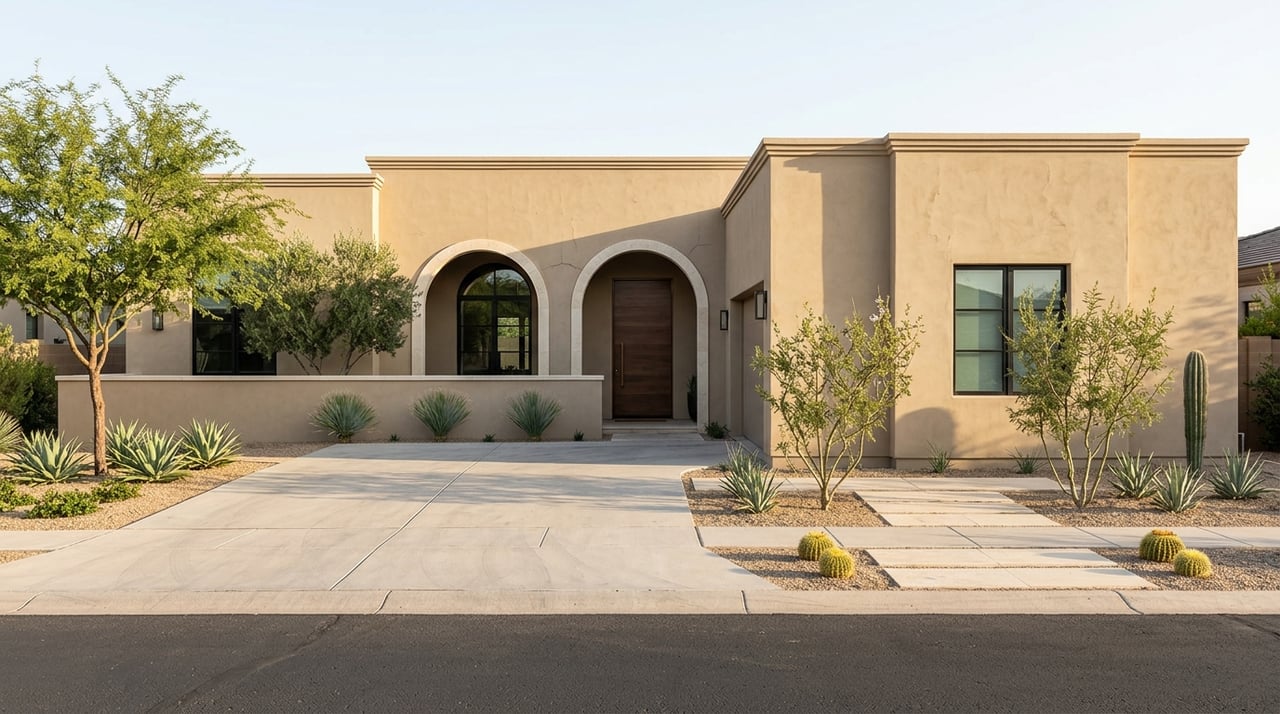
Scottsdale is the deepest and most segmented market of the group. North Scottsdale's golf and gated enclaves carried a median near $1.3 million, while South Scottsdale near Old Town ran closer to $880,000 for single-family homes. Rising inventory has been felt most in the luxury tier, where average market time in the luxury segment has stretched toward 80 days. Explore the area profile on the Scottsdale neighborhood page.
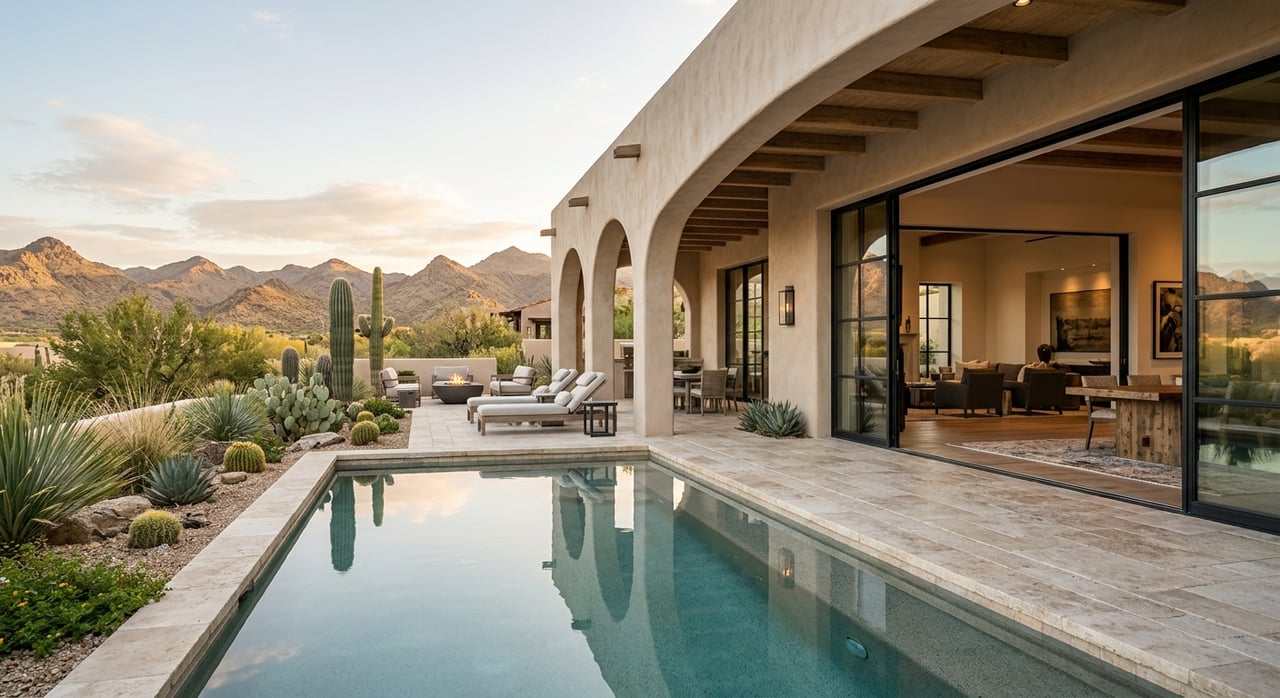
Paradise Valley remains the ultra-luxury anchor of the region. With a median list price around $5.25 million across several hundred available homes and only roughly 40 to 60 single-family closings a month, it is a low-volume, high-value market where the right home can trade quickly but the average listing runs 90-plus days. This is the market where buyer preparation and seller patience matter most. See the Paradise Valley neighborhood page for detail.
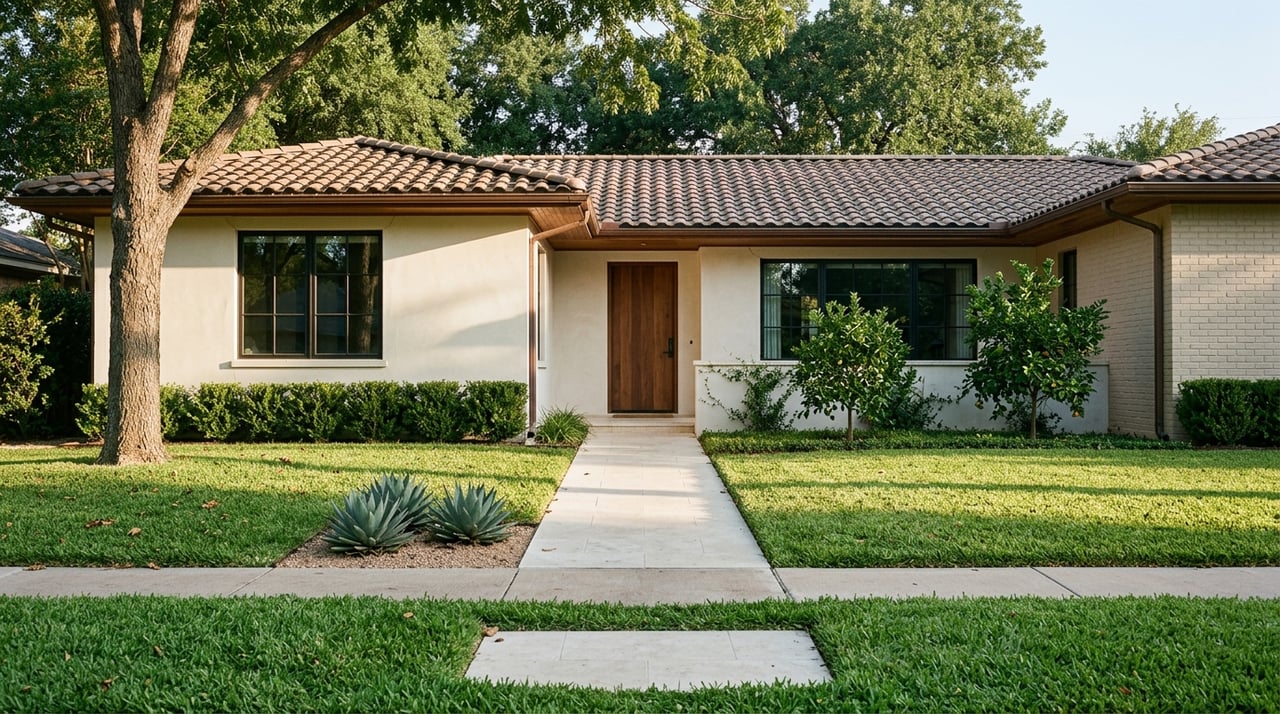
Arcadia is the tightest sub-market of the four. Its blend of historic irrigated lots, Camelback Mountain views, and walkable dining along the Indian School corridor keeps demand high and supply thin, with roughly 1.5 months of supply and median days on market in the mid-teens to low twenties. Well-priced Arcadia homes still draw multiple offers. Compare Lower Arcadia and Upper Arcadia, which trade differently by lot and access.
The Biltmore corridor carries more inventory than Arcadia and averages around 65 days on market, giving lock-and-leave and condo buyers a wider selection and more negotiating latitude than they would find a few miles east. The Biltmore neighborhood page outlines the mix of estates, patio homes, and golf-adjacent condos.
What do rising inventory and 6.8% mortgage rates mean for buyers?
As of early September 2026, 30-year fixed mortgage rates in Arizona are hovering in the high-6% range, roughly 6.8% to 7%. Rates at that level, combined with more homes to choose from, have taken the frenzy out of the process. Buyers can once again schedule second showings, order thorough inspections, and write offers with reasonable contingencies without automatically losing the home.
The practical takeaways for fall 2026 buyers: focus your urgency on the tightest segments (Arcadia and sub-$1M Scottsdale), and use the extra inventory as leverage in the softer luxury tiers of Paradise Valley and North Scottsdale. There is also a modest new federal tailwind. Beginning in 2026, private mortgage insurance (PMI) premiums are once again deductible as mortgage interest for qualifying borrowers, which slightly improves the math for buyers putting down less than 20%.
What should sellers do differently this fall?
The single biggest mistake in a shifting market is pricing to last spring's comparables. With more competition on the market and luxury buyers negotiating harder, homes priced ahead of the market are the ones sitting for 90-plus days and eventually cutting price, often ending below where a sharp initial price would have landed them.
Sellers who succeed this fall are doing three things: pricing to current, not trailing, comparables; investing in pre-list preparation and presentation so their home stands out among a deeper pool of listings; and timing the launch to the fall and winter season, when out-of-state and snowbird buyers return to the Valley. In markets like Paradise Valley, where average market time is long, presentation and precise pricing are the difference between a 30-day sale and a 120-day listing. If you are weighing a fall listing, start with a data-backed home valuation rather than a wishful list price.
What Arizona investors need to know before buying this fall
Investors face a materially different rulebook in 2026 than they did two years ago. Several changes now shape strategy in the Scottsdale and Phoenix markets:
Large-scale single-family buyers are now capped. New Arizona legislation requires LLCs or corporations owning 10 or more single-family homes to register with the Arizona Corporation Commission and limits such entities to purchasing no more than 5% of the single-family residences in any given county. A separate law effective September 26, 2025, restricts ownership by designated "foreign adversary" nations to no more than a 30% interest in Arizona real property. Both changes reduce institutional competition, which can be an advantage for individual and small-portfolio investors.
On the carrying-cost side, Arizona's Proposition 117 continues to cap annual increases in a property's Limited Property Value at 5%, and a buyer inherits the seller's capped value, which makes tax exposure more predictable when underwriting a hold. For investors modeling returns in Arcadia's rental-strong corridors or the Biltmore's lock-and-leave condo market, that predictability matters. For a fuller breakdown of the 2026 statutory changes, see our companion guide, 2026 Arizona Real Estate Law Changes.
Frequently asked questions
Are home prices dropping in Scottsdale in 2026?
No. Median prices in Scottsdale were still up modestly year over year in 2026, near $950,000 citywide. What changed is negotiating power in the luxury tier above $1.5 million, where rising inventory and longer days on market have created room for buyers to negotiate, even as overall values held.
Which Valley neighborhood is the toughest for buyers right now?
Arcadia. With roughly 1.5 months of supply and median days on market in the mid-teens to low twenties, it remains the tightest of the four core markets, and well-priced homes frequently receive multiple offers within the first two weeks.
Is now a good time to sell a luxury home in Paradise Valley?
It can be, but pricing and presentation are decisive. Paradise Valley's ultra-luxury listings average 90-plus days on market, so homes that are precisely priced and professionally prepared sell far faster than those chasing the market down with later reductions. The fall and winter snowbird season is a favorable window to launch.
What are mortgage rates in Arizona in fall 2026?
As of early September 2026, 30-year fixed rates in Arizona are roughly 6.8% to 7%, depending on the lender and borrower profile. Beginning in 2026, PMI premiums are again deductible as mortgage interest for qualifying buyers.
Can out-of-state investors still buy rental properties in Arizona?
Yes, though the rules tightened in 2025 and 2026. Entities owning 10 or more single-family homes must register with the state and are limited to 5% of single-family purchases per county, and designated foreign-adversary nations are capped at a 30% interest. Individual and small-portfolio investors are largely unaffected and now face less institutional competition.
Ready to move on the fall 2026 window?
Whether you are timing a purchase in Arcadia's tight inventory, pricing a Paradise Valley estate to sell, or underwriting an investment under Arizona's new ownership rules, local strategy beats market headlines every time. With nearly five decades of experience across Scottsdale, Paradise Valley, Arcadia, and the Biltmore, Laura Lee Cahal helps buyers, sellers, and investors read the market as it actually is right now. Connect with Laura Lee to build your fall 2026 plan.